Richard Collins: Do parrots live longer because they are intelligent?
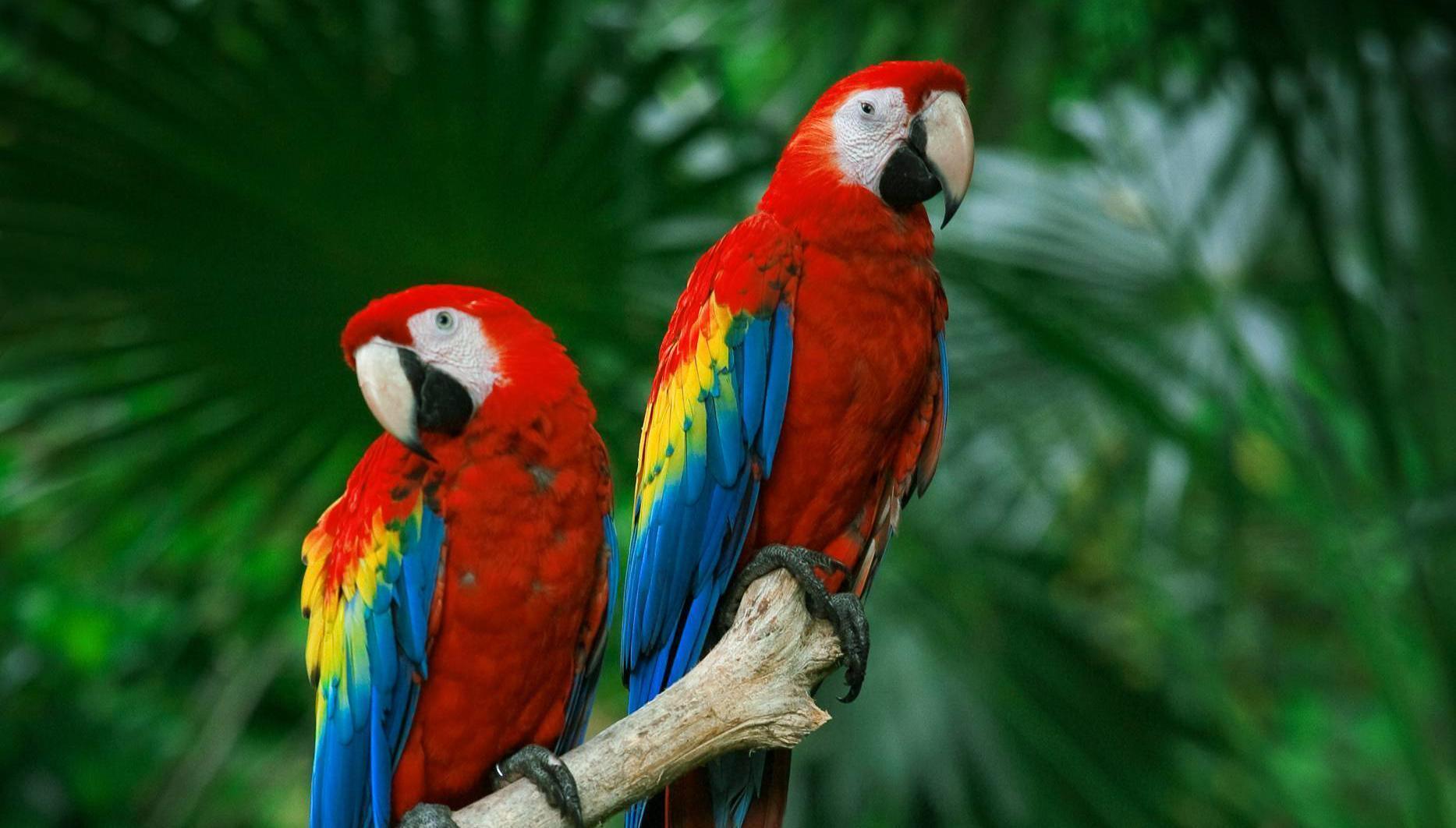
A macaw, in South America, can hope to celebrate its thirtieth birthday.
Cookie, a Major Mitchell’s cockatoo, died at Brookfield Zoo near Chicago in 2016. Having reached the ripe old age of 88, he was recognised by Guinness World Records as the longest-lived member of the entire parrot family. Cockatoos survive better than other birds of their size but why they do so is a bit of a mystery. In a paper just published, scientists at the Max Planck Institute of Animal Behaviour examine the factors affecting parrot lifespan.
To make reliable estimates of longevity, the researchers needed very large amounts of life-history data. Records of 133,818 parrots were obtained from over a thousand zoos. By analysing these, the life expectancies of 217 of the world’s 356 parrot species were calculated.
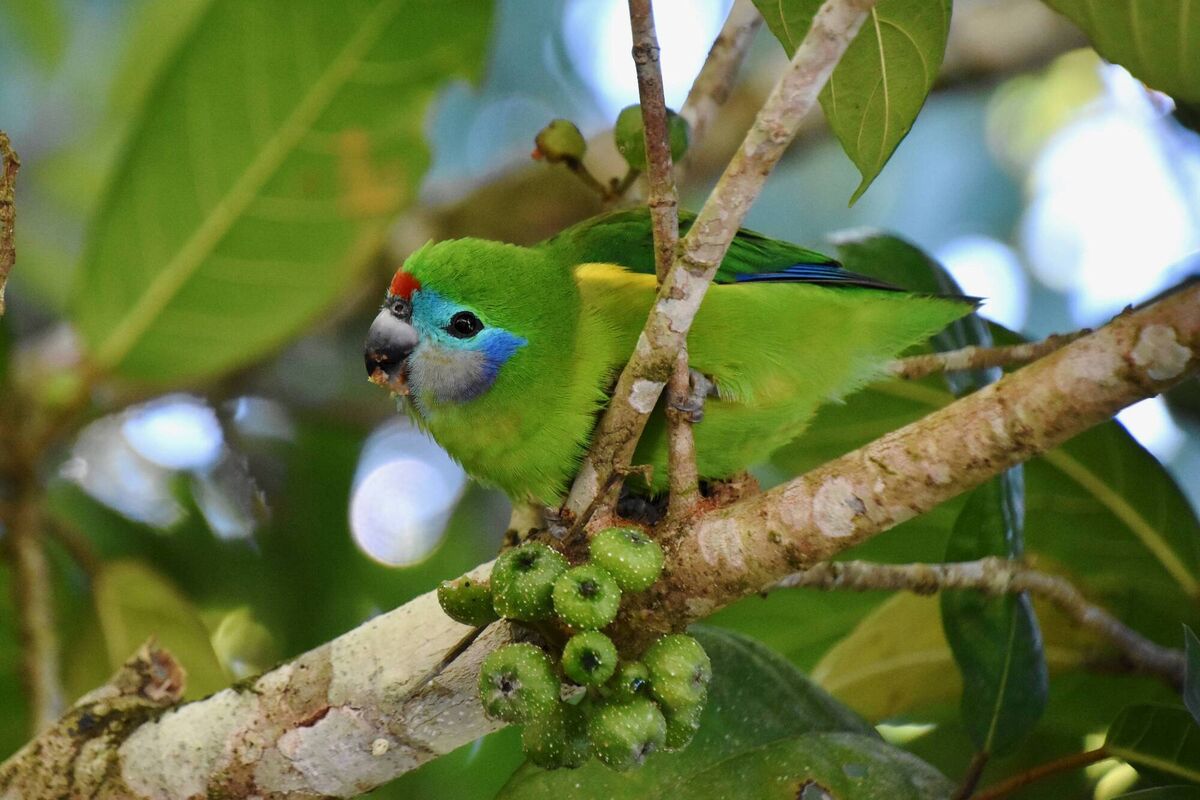
Not all parrots, the results showed, are long-lived. A macaw, in South America, can hope to celebrate its thirtieth birthday, but a fig parrot in Papua New Guinea is lucky to reach its second. Most species, however, are longer-lived than similar-sized birds of other families.
But parrots are unusual in another respect; they have very large brains in relation to their body size. Big brains correlate with intelligence. Stories of the extraordinary skills of some individual parrots abound. Alex, an African grey, displayed such extraordinary cognitive ability that he became known as ‘the Einstein of the bird world’. His skills were assessed scientifically and the peer-reviewed results published. This raises an intriguing question; is the intellectual prowess of parrots linked to their longevity? If so, which ability evolved first? It’s the chicken and egg question.
According to the ‘cognitive buffer hypothesis’, an intelligent creature is better able to cope with ‘the slings and arrows of outrageous Fortune’ than a less intelligent one. Big brains evolved, it is suggested, to help their owners succeed in life. An intelligent creature will, on balance, survive where a less gifted one would go to the wall. If, for example, a parrot’s normal food source fails, an individual with savvy will seek out, and try, alternative ones. Large-brained creatures live longer, according to this theory, because they can overcome the difficulties which kill off less intelligent ones. The older they get, the older they get!
Supporters of the ‘expensive brain hypothesis’, on the other hand, argue that big brains are the result of extra investment by parents in their offspring. Knowledge is power; the ‘cultural transmission’ of know-how from one generation to the next helps prepare youngsters for life’s struggles. It’s the strategy the great apes, including humans, employ. It is ‘expensive’ because education requires extra resources and time. It takes 15 years, ‘and a village’, to raise a child.
Following exhaustive statistical analysis of the data they gathered, the researchers conclude that brain size and longevity are definitely linked. "Our results," they write, "are best supported by a direct relationship between larger brains and longer life expectancy, as predicted under the cognitive buffer hypothesis."
The results did not support the ‘expensive brain’ idea. They found no evidence that the relationship between brain size and longevity "was explained by long development time .. or by increased parental investment."
- Simeon Smeele et al. Coevolution of relative brain-size and life expectancy in parrots. Proceeding of the Royal Society B. 2022.

CONNECT WITH US TODAY



Be the first to know the latest news and updates