Sky Matters: Next week Mars and Saturn will appear 'as one' to the unaided eye
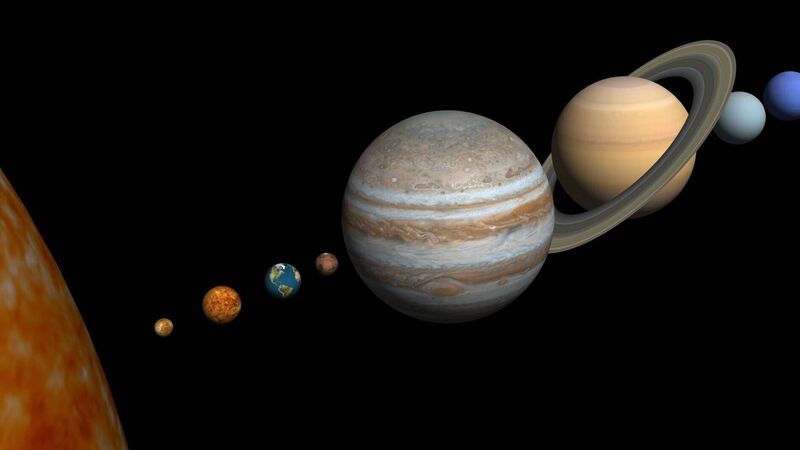
Sky Matters: Solar system
As we move into spring in the Northern Hemisphere the Sun, which has been languishing close to the horizon all winter, now assumes a more prominent role rising higher in the sky day by day. As it does so it floods the landscape with tones of yellow-blue light, replacing the yellow-red tones of the depths of winter. This change in the “quality of light” brings a greater vibrancy to the colours around us and may even have positive effects on our mood. It may also play a role in driving the annual need to spring clean!
Light from the sun is generated in a process called nuclear fusion. This occurs when atoms of hydrogen are bashed together under the extreme conditions of temperature and pressure that are found in nature only in stars. During these interactions the non-toxic element helium is produced, but more importantly for us the process also results in energy being generated. And that energy fuels the light we receive from the Sun and indeed all the other stars in the sky. Unlike nuclear fission of the type we find in nuclear power plants on Earth, fusion produces almost no radioactive side effects. That’s fortunate for us because if this was not the case the Sun would bathe us in massive amounts of deadly nuclear radiation – which thankfully it doesn’t.


CONNECT WITH US TODAY



Be the first to know the latest news and updates