Anja Murray: IPCC report shows safeguarding nature is crucial to securing liveable future

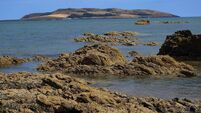
In respect of coastal flooding and storm damage, risk reduction can be achieved by protecting and restoring coastal habitats such as saltmarshes, mudflats and sand dunes. Picture: iStock
It’s easy to despair and easy to disengage. Hope, on the other hand, comes about when we face up to enormous challenges and address them.
At the end of February, the Intergovernmental Panel on Climate Change (IPCC) published a major report about climate change impacts and how we can adapt. The report details the growing extent of loss, damage and suffering that is already evident because of climate change and the consequences of our inaction to date.


CLIMATE & SUSTAINABILITY HUB
CONNECT WITH US TODAY



Be the first to know the latest news and updates



![<p> The International Union for the Conservation of Nature says that “an ecosystem is collapsed when it is virtually certain that its defining biotic [living] or abiotic [non-living] features are lost from all occurrences, and the characteristic native biota are no longer sustained”.</p>](/cms_media/module_img/9930/4965053_12_augmentedSearch_iStock-1405109268.jpg "<p> The International Union for the Conservation of Nature says that “an ecosystem is collapsed when it is virtually certain that its defining biotic [living] or abiotic [non-living] features are lost from all occurrences, and the characteristic native biota are no longer sustained”.</p>")
