My workplace burnout was my body's way of telling me to change

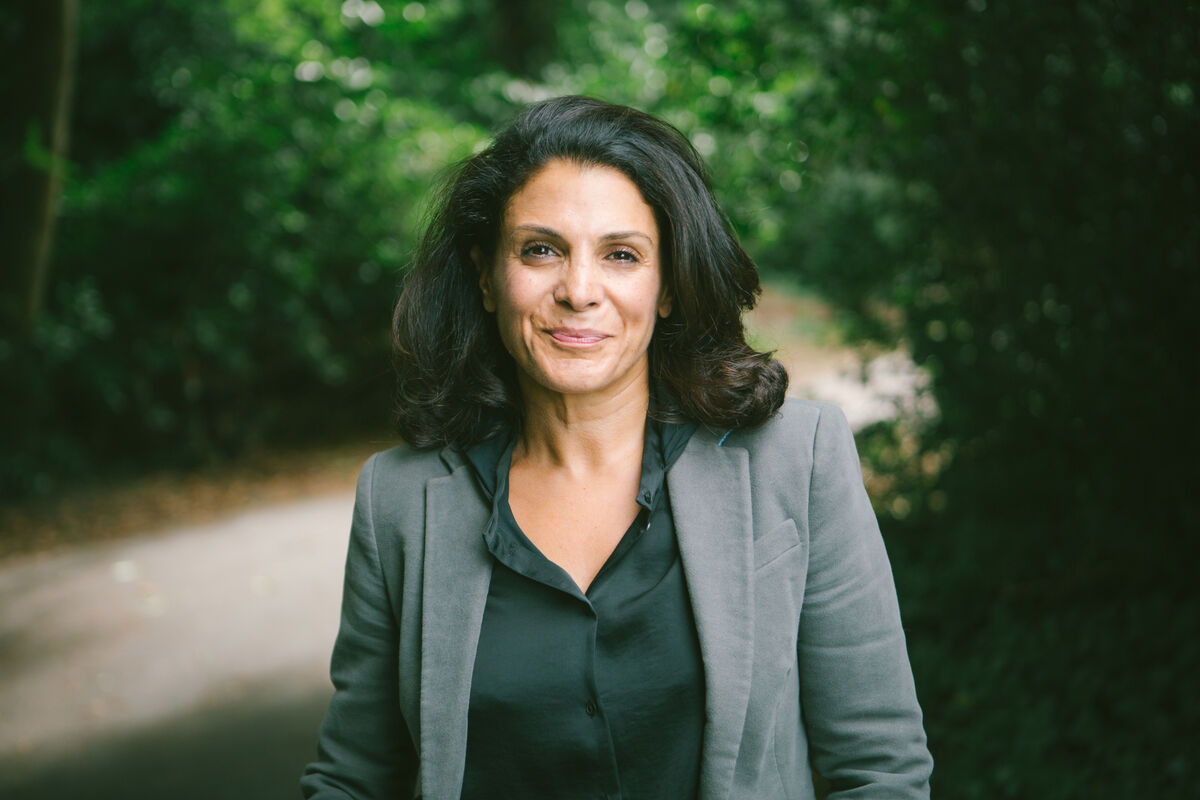
Carol Gaffney. Picture: Phil Gaffney
Workplace burnout is a problem. A 2023 survey of 700 workers found that 70% had experienced burnout at some point in their careers, 30% had “definitely” experienced it, 26% had without realising there was a term for how they were feeling, and 14% currently had symptoms. (The survey was carried out by Lockton People Solutions Ireland.)
The 26% who didn’t recognise they had burnout points to a lack of understanding.
Just ask Carol Gaffney, from Ashbourne, Co Meath. Now a brand strategist at carolgaffney.com, she burned out in 2019 and had no idea what was happening to her.
“I was working as a business manager and was mentally and emotionally exhausted,” Gaffney says. “I was showing up and doing what needed to be done, but I was internally depleted and overwhelmed. I’d always thought burnout was something that would look very dramatic from the outside. I had no idea you could be high-functioning and productive, yet still struggling. It took a therapist to tell me I had burnout.”
Gaffney took time off work to recover and would later open her own business, in 2020. She experienced burnout again in 2024, and what she learned was “how cumulative burnout can be”.
As a small-business owner, she says, “there was a lot of emotional and mental weight and responsibility associated with constant decision-making, and the pressure built up gradually, so gradually I didn’t realise it was becoming burnout. Again, it took going to see a therapist to recognise what was happening.”
Psychotherapist Siobhán Murray is a burnout recovery specialist and author of The Burnout Solution. Through her work, with individuals and organisations, she has seen burnout becoming increasingly more common and urges people to familiarise themselves with the condition.
The World Health Organisation defines it as an occupational phenomenon resulting from chronic, unmanaged workplace stress. It’s not a fleeting emotion, says Murray.
She says: “We can all feel stressed, overwhelmed, or exhausted from time to time. But burnout is feeling emotionally, mentally, and physically exhausted for extended periods of time with no respite.”
Nor is burnout exhaustion. University of Limerick (UL) professor of psychology, Stephen Gallagher, says that it has three dimensions: Energy depletion; increased mental distance (or cynicism towards one’s work); and reduced professional efficacy.
“Exhaustion is only one of the symptoms, although often the biggest one,” Gallagher says. “There is also mental distance or depersonalisation, where you stop engaging with work to the extent you become detached or even callous. You see this as compassion fatigue in the healthcare sector. Job performance can be affected, too, so that you become less productive or make more mistakes.”
Gallagher lists other potential tell-tale signs. “Chronic tiredness means you’re not as able to regulate your emotions, so you overreact to things. Concentration can suffer. So can sleep.
“You are also likely to be more vulnerable to high blood pressure, depression, and other poor health outcomes, due to being under stress.”
Some people see burnout as a sign of weakness. Gaffney takes issue with this viewpoint. “I’m highly driven,” she says. “I can carry a lot, to the extent that I have a tendency to carry too much.”
Murray agrees that burnout shouldn’t be regarded as a shortcoming. “It’s like people who’ve never had a migraine saying it’s just a headache,” she says. “Unless you’ve experienced burnout, it’s all too easy to dismiss it. People who get burnout tend to work extremely hard and, in my experience, it’s those who are committed to their work who can be most susceptible of all.”
It’s not just work that can cause burnout. Gallagher says parenting and caregiving can, too. “It doesn’t matter if it’s paid or not; any demanding role you can become absorbed in can lead to burnout,” he says.
When she burned out, Gaffney thought a rest or a holiday would be all it would take to fix it. However, she ended up taking almost a year off work after her first bout and changing the direction of her career when she returned to work. After her second bout, she had to significantly reduce her workload.
It’s not unusual for recovery to be long, says Gallagher. “The fact that it has taken months or years for burnout to build up means it can take months or years to fully recover.”
What does this mean for people who can’t afford to take time off? Murray reassures the self-employed or parents that “the first thing they can do to start their recovery process is admit how they’re feeling. The next step is seeking external support, either from a GP or therapist.”
Gaffney’s repeated burnout has given her insight in to what recovery can involve. On the first occasion, she left her job; on the second, she changed how she worked.
“The second time, I realised I wasn’t allowing myself enough time for rest and recovery,” she says. “Taking time off to reconnect with family, friends, and nature helped me gain perspective. I looked at my life and how I worked and understood that I shouldn’t try to do everything on my own, that I should ask for help, and actively focus on what gives me a sense of wellbeing and purpose.”
She rebranded her business, reached out to like-minded clients, and asks her husband for help when she needs it.
“He steps in when he can see I’m overcommitting,” she says.
Murray believes that for real recovery, the working habits that burned you out in the first place have to be identified and addressed.
“Understanding who we are and how the way we work may have contributed to getting burnt out can help us make changes to ensure we don’t get trapped in a burnout cycle,” she says.
Our working environments can also play a role, with some sectors experiencing higher rates of burnout than others.
Gallagher is involved in a major new EU research project on burnout among hospital doctors and nurses.
“We’re trying to establish the causes, so they can be alleviated.”
They have surveyed doctors and nurses in Ireland, Denmark, the Netherlands, and Germany and found that 37% of healthcare workers have burnout, compared with 30% in the Netherlands, 22% in Germany, and 16% in Denmark.
“From speaking to doctors and nurses in Denmark, we’ve learned they get a lot of internal support from management and that issues are listened to and acted upon,” says Gallagher.
“For example, childcare is provided for staff in hospitals, which removes that added stressor from their lives.
Organisations and individuals have a role to play in addressing the problem, says Murray. “There are many sectors other than healthcare where employees don’t have the support they need, due to things like understaffing or teams working remotely.
“All sectors should be more aware of burnout, so they can support employees before burnout happens. Employees also need to understand how they can prioritise their own emotional, mental, and physical health.”
That’s what Gaffney now tries to do.
“My burnout was a wake-up call,” she says. “It was my body’s way of telling me to look at my life, so that I could change how I was living it.”


CONNECT WITH US TODAY



Be the first to know the latest news and updates