It wasn't about trying to ‘fix’ my daughter's anorexia, but empowering her
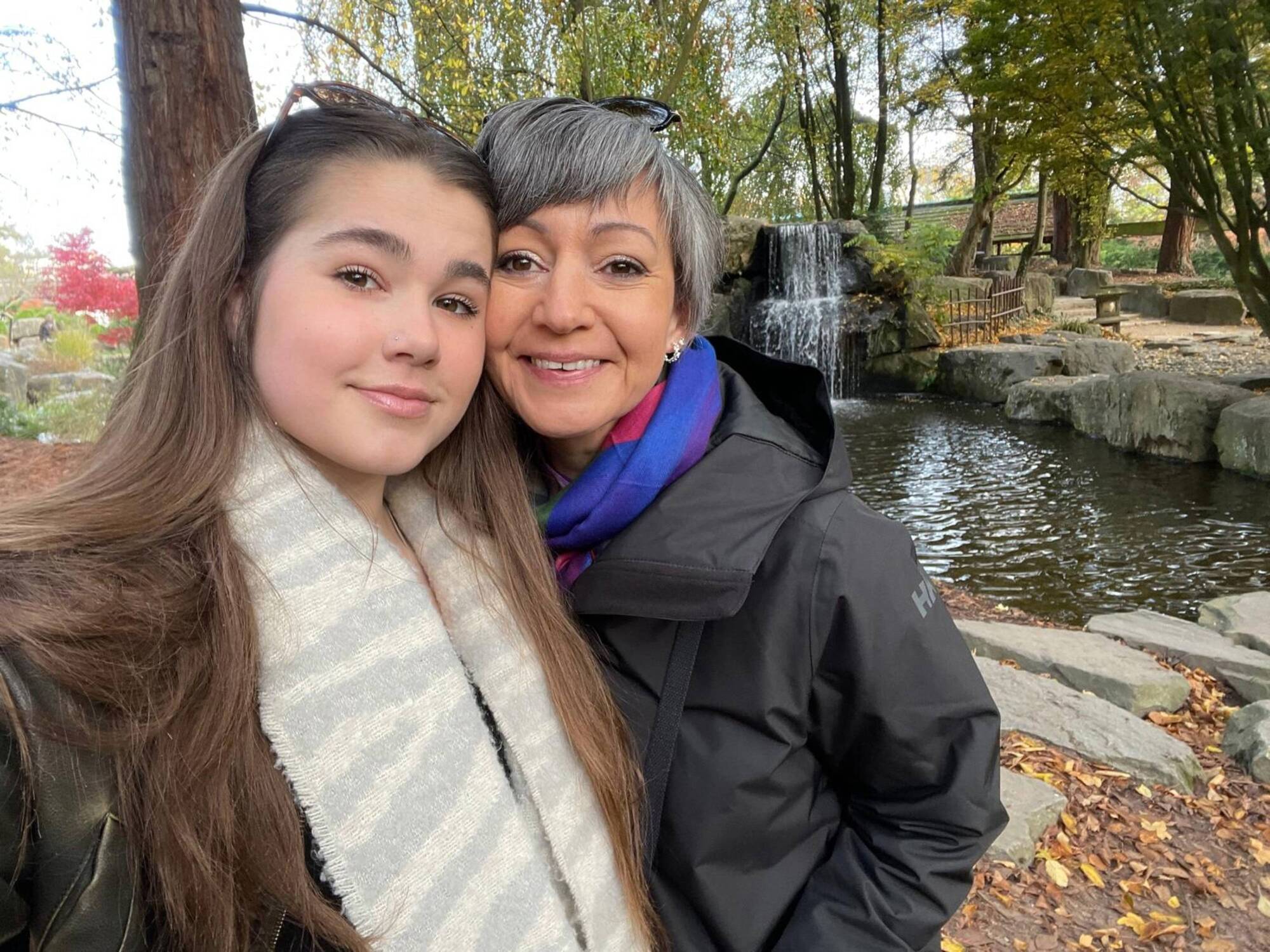
Brigid Burke with her daughter Elsa
For Brigid Burke, whose daughter Elsa was diagnosed with anorexia nervosa during lockdown in early 2020 at age 13, connecting with other carers was crucial as she sought to help her daughter through her eating disorder.
“At the time, I didn’t know anyone in my immediate circle who was a parent of somebody with an eating disorder. And as a parent in this situation, you’re desperate to find anything that might help,” says Burke, a mother of three from Ratoath in Co Meath.
Burke signed up for the Maudsley training programme, which is provided by Bodywhys, a voluntary organisation supporting people with eating disorders. The training helps carers develop skills to better navigate and guide their child through an eating disorder.
With hospital admissions for eating disorders in children and adolescents on the rise, more than doubling in Ireland during 2018-2022, according to a Health Research Board report, support and education are more important than ever.
In the initial stages of Elsa’s anorexia, she told her mum she wanted to “eat more healthily”, but then Burke noticed her daughter was losing weight. “She was still eating three meals a day, but she was reducing and reducing the quantities in those meals.
We talked it through, and she seemed to go back to eating normally, but then we realised she was secretly hoarding food in a box in her room, and I knew then she had an issue. But it’s just not something you think you’re ever going to have to deal with.”
Being part of that group validated some of what Burke was feeling and gave her the insights and support she was looking for.
“It was hearing other parents admitting that they were finding it so hard, that was hugely helpful. We don’t always vocalise it because you feel selfish as a parent saying those things or acknowledging your feelings about it. So it was good to know that there were other parents who also cried themselves to sleep at night or that they felt frustrated or angry with their person.”
During Elsa’s treatment, Burke recalls how important it was for her to learn how to communicate more effectively with her daughter. The group also helped her gain insight into how her daughter was feeling.
“Having a child with an eating disorder is so bewildering and overwhelming. But one area where the Maudsley training really helped was putting yourself in your person’s shoes so you can understand what they may be thinking or how they’re feeling.”
Burke says the training helped her to move from “trying to fix Elsa, to standing beside her”.
“I learned to empower her to make her own decisions, telling her that I knew she could work it out herself.
“With the training, you come to realise you can’t fix them. All you can do is just be there beside them. They are the ones that will fix themselves.”
Elsa’s eating disorder “dominated family life for years,” but with support from Bodywhys, as well as counselling and family-based treatment sessions, she is well on the road to recovery.
“Elsa has a natural inclination towards being social. And, of course, social engagement at that age involves having an ice cream or going up to Centra to get a chicken roll, things like that. I think that natural sociability helped her a lot.
“She now considers her eating disorder as a very small part of her life.”
Burke’s experience of connection and community is the central theme of Bodywhys’ Eating Disorder Awareness Week, which runs from February 23 to March 1.
“Eating disorders are profoundly isolating illnesses. They can distort a person’s sense of identity and self-worth, and weaken the connections to family, friends and community that are so important in recovery”, says Harriet Parsons, CEO of Bodywhys.
“Whether someone is experiencing an eating disorder themselves or supporting someone who is, connection often plays a vital role in opening pathways to support, understanding and change.”
Clare woman Aoife O’Brien credits the connection she experienced through private group counselling sessions as key to her recovery from an eating disorder. “I really flourished in the group sessions. I’m sitting in a group setting, and there are 20 other women around me, and I hear other women saying the things in my head that I’d never said out loud. My shoulders dropped, I could breathe,” she recalls. “And I could see people who were on the road to recovery, and people who fully came out the other end.
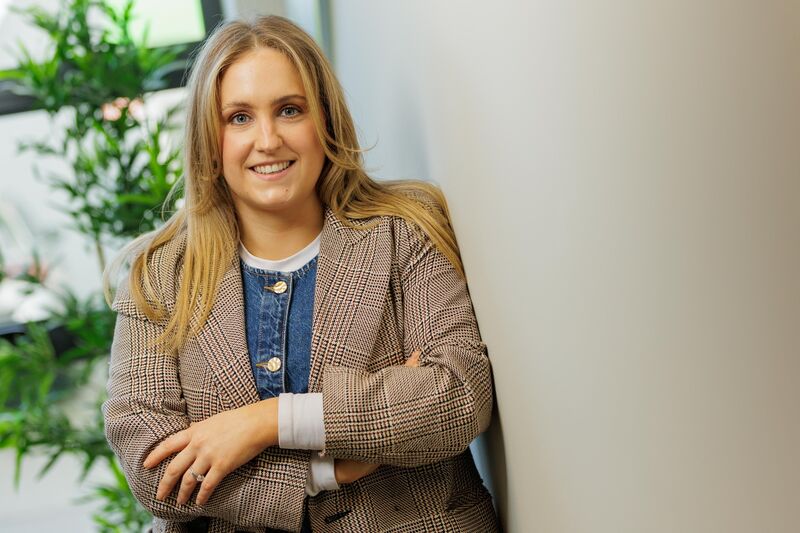
“It meant I could see that it was possible for me to get there too.”
O’Brien’s disordered eating patterns started around the age of 18. She went through cycles of restricted eating and over-exercising. When she started losing weight, “I got so much praise, I got so many compliments. People started treating me differently; I was told ‘Oh, you’re so healthy’ and ‘You’re so disciplined’.”
But she was dealing with “a lot of internal factors” such as low self-esteem from a young age.
“I didn’t feel like I was good enough. That linked then to the fact that I had quite perfectionist thinking as well, and was a high achiever in school. Because I had such low self-esteem and didn’t feel enough, I latched on to the praise and thought, ‘Oh, this is what I’m good at, I’ll keep going’ — it became addictive.”
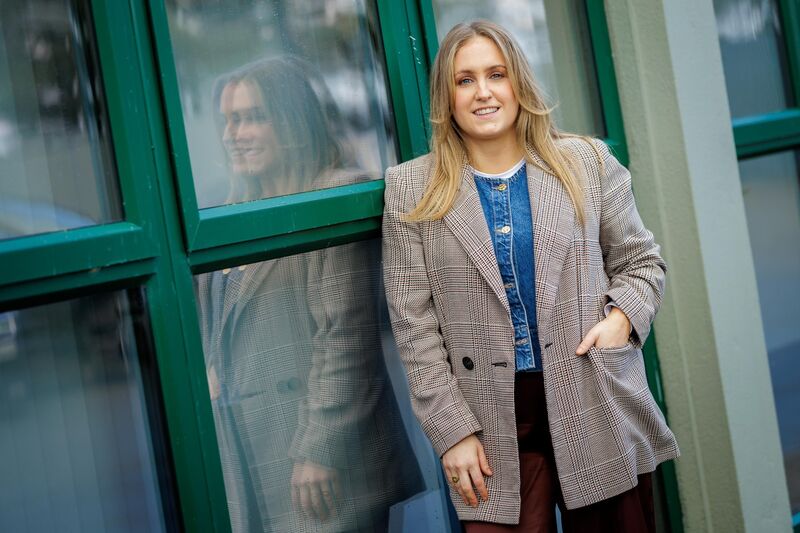
Initially, O’Brien said she wasn’t aware that what she was doing was unhealthy.
“I didn’t think there was anything wrong with this, even though deep down I knew the things I was doing were weird.”
Her day was meticulously planned around food and exercise. “It was taking up all my mental headspace. I would meticulously plan out minute-by-minute when I was going to eat and how I was going to exercise. At the same time, I was trying to hold down a job, but it quickly became really hard to keep up with, bearing in mind I was probably chronically hungry as well. Things just started to tip over and I found I wasn’t coping well.”
At 26, O’Brien, who worked as a nutrition consultant at the time, realised she was in trouble and started private counselling. She also participated in group sessions and took courses on nervous system and emotional regulation and intuitive eating, where she relearned how to connect with her body’s hunger and fullness cues.
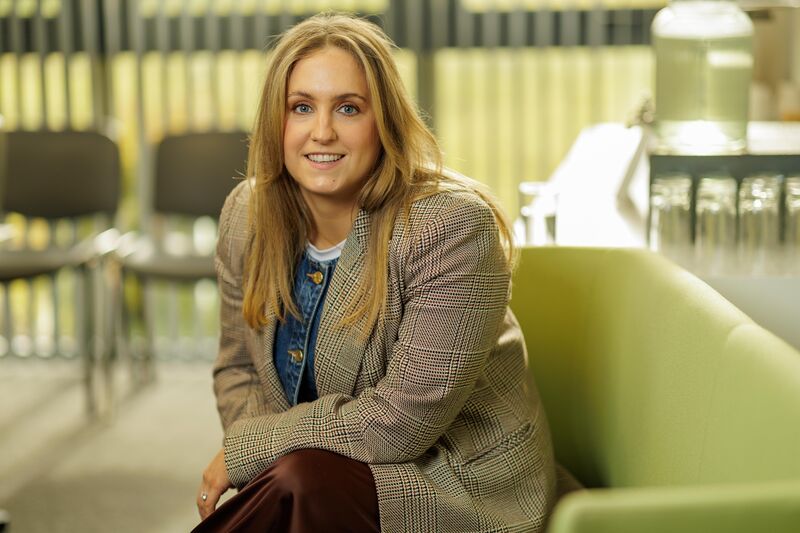
“When I started addressing all those internal issues, food became less of a battle, because I didn’t need it to numb out how I was feeling anymore — I had done all that inner work.”
O’Brien is now 36, a mother of two young boys, and works in private practice as a Disordered Eating Nutritionist and a Body Image Coach, drawing on her lived experience to support people who are struggling as she did. “I was so passionate about my recovery work that moving into this area myself just naturally happened. I already had a master’s in nutrition from Ulster University, so I did training in mindset coaching, trauma-informed work and addiction coaching, as well as nervous system regulation. It became the clear next step in my journey.”
- During Eating Disorder Awareness Week 2026,
- Bodywhys will be running a series of information events, both online and in-person, featuring people with lived experience of eating disorders, those supporting someone, and researchers and clinicians.

CONNECT WITH US TODAY



Be the first to know the latest news and updates