'Elevated blood sugar levels can influence ageing': How cutting down on sugar can benefit your health

As we grow older, our bodies undergo subtle and significant change, from a slowing metabolism to fluctuating hormone levels. But how do these shifts affect the way our bodies handle sugar?
As we grow older, our bodies undergo subtle and significant change, from a slowing metabolism to fluctuating hormone levels. But how do these shifts affect the way our bodies handle sugar?
To find out, we spoke to registered dietitian Rosie Carr. She explained how our response to sugar evolves with age and the potential health risks involved. She also shared helpful, practical advice on how to cut down on sugar.
“Our bodies typically become less efficient at processing sugar as we age,” says Carr. “The pancreas may become less efficient at releasing insulin (the hormone that manages our blood sugar levels). This means the cells in our muscles and other areas are less responsive to the hormone insulin, so more glucose (sugar) remains in the blood. Also, our postprandial (after-meal) glucose responses tend to become more pronounced and the liver may become less efficient at storing and releasing glucose.”
In addition, muscle mass naturally decreases with age for many people, reducing one of our major glucose disposal routes, she adds.
“Older bodies have a reduced ability to handle sugar, so the negative effects of high sugar intake are more noticeable,” explains Carr. “This doesn’t mean sugar becomes ‘toxic’ with age but rather that moderation (and attention to diet and exercise) becomes increasingly important.”
“There’s evidence suggesting that chronically elevated blood sugar levels can influence certain aspects of ageing,” notes Carr. “Advanced glycation end products (AGEs) form when glucose binds to proteins in the body, resulting in structural changes that impact tissue function.
“These AGEs accumulate naturally with age but form faster with higher blood sugar levels. They’ve been associated with skin ageing, arterial stiffening, and even changes in brain proteins.”
However, the dietitian clarifies that eating sugar in moderation in the context of an otherwise healthy diet isn’t likely to significantly impact the ageing process.
“It’s the pattern of regular high-sugar consumption alongside a diet rich in ultra-processed foods that appears most relevant to health outcomes,” highlights Carr.
“Sugar’s impact on energy levels can be notable in some older adults,” says Carr.
“The glucose fluctuations after consuming sugary foods may feel more pronounced, potentially contributing to energy dips that some associate with ageing.
“This is because age-related changes in glucose regulation can mean blood sugar levels may rise and fall more dramatically after consuming high-sugar foods.”
Since sugar provides easily digestible calories, it can contribute to excess calorie intake, leading to weight gain, she adds.
“This may be especially relevant as our appetite can also change with age. Some older adults experience altered hunger signals while maintaining responsiveness to sweet foods,” notes Carr.
Will cutting back on sugar help to prevent conditions such as type 2 diabetes or heart disease?
“Moderating sugar intake is important throughout life but it may take on additional significance with age as the risk of developing conditions like type 2 diabetes and cardiovascular disease naturally increases,” says Carr.
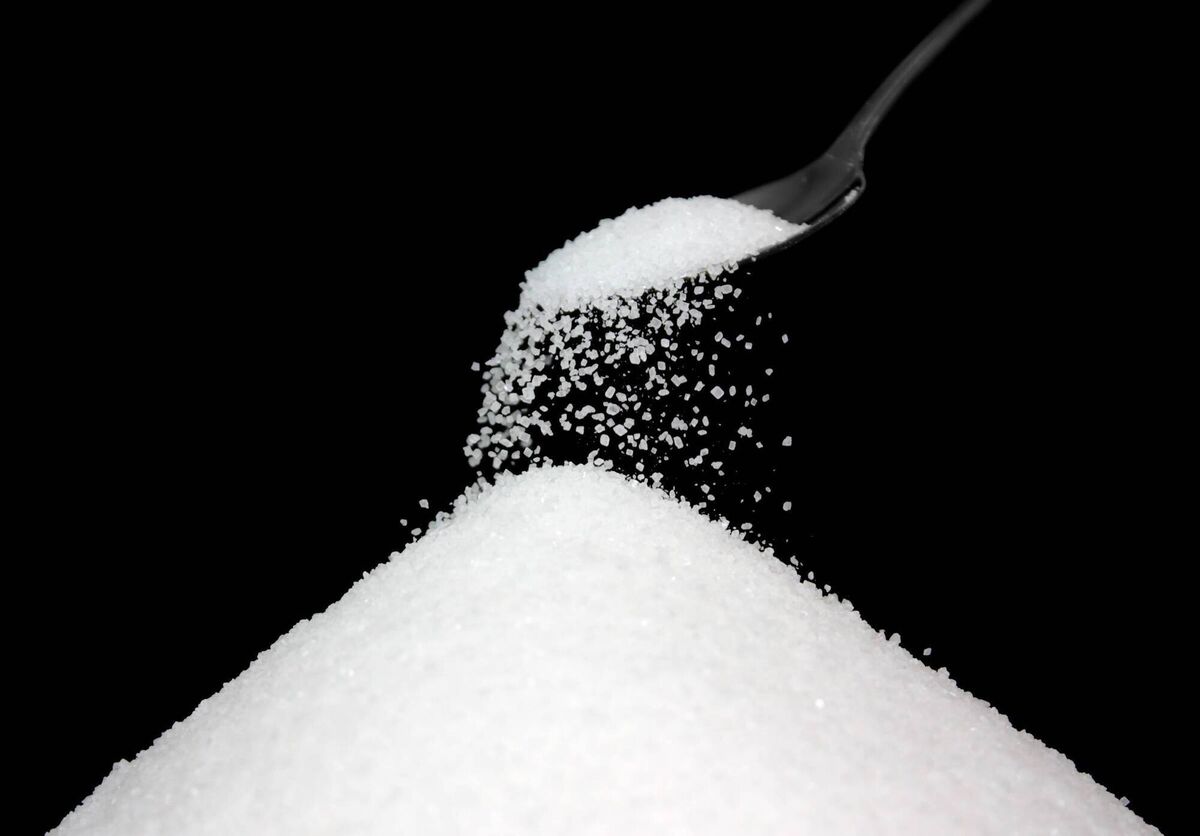
General guidelines recommend that adults should limit free sugars to no more than 5% of their daily calories (about 30g), but there aren’t any specific recommendations for older adults.
“While these guidelines apply across adulthood, the physiological changes that often accompany ageing suggest that being mindful of sugar intake becomes increasingly important for metabolic health as we get older,” says Carr.
“However, individual health status, activity level, and overall diet quality are equally important considerations.”
Gradually reduce added sugars in beverages and foods. “Instead of eliminating sugar, slowly decrease the amounts in tea, coffee, or recipes to allow your taste buds to adjust naturally,” recommends Carr.
Focus on whole foods. “Fill half your plate with vegetables, a quarter with protein, a quarter with complex carbohydrates, and a serving of fat the size of your thumb (approximately one to two teaspoons of extra-virgin olive oil) to naturally limit space for sugary options,” suggests Carr.
Learn to identify hidden sugars on food labels. “Check ingredient lists for terms like glucose, dextrose, maltose, and corn syrup, particularly in ‘low-fat’ products, cereals, sauces, and pre-prepared meals,” advises Carr.
Embrace naturally sweet whole foods. “Enjoy fresh or frozen fruits, sweet vegetables (such as carrots, bell peppers, and sweet potatoes), and small amounts of dried fruits to satisfy sweet cravings with nutrient-dense options, like adding dried fruit to homemade muesli,” says Carr.
Pair sweet foods with protein or healthy fats. “When enjoying something sweet, pair it with protein or fat (such as fruit with Greek yoghurt or nut butter) to slow down sugar absorption and increase feelings of fullness,” suggests Carr.
Read More
CONNECT WITH US TODAY



Be the first to know the latest news and updates