Workplace Wellbeing: Sitting for 7 hours a day? How to avoid the health problems it causes
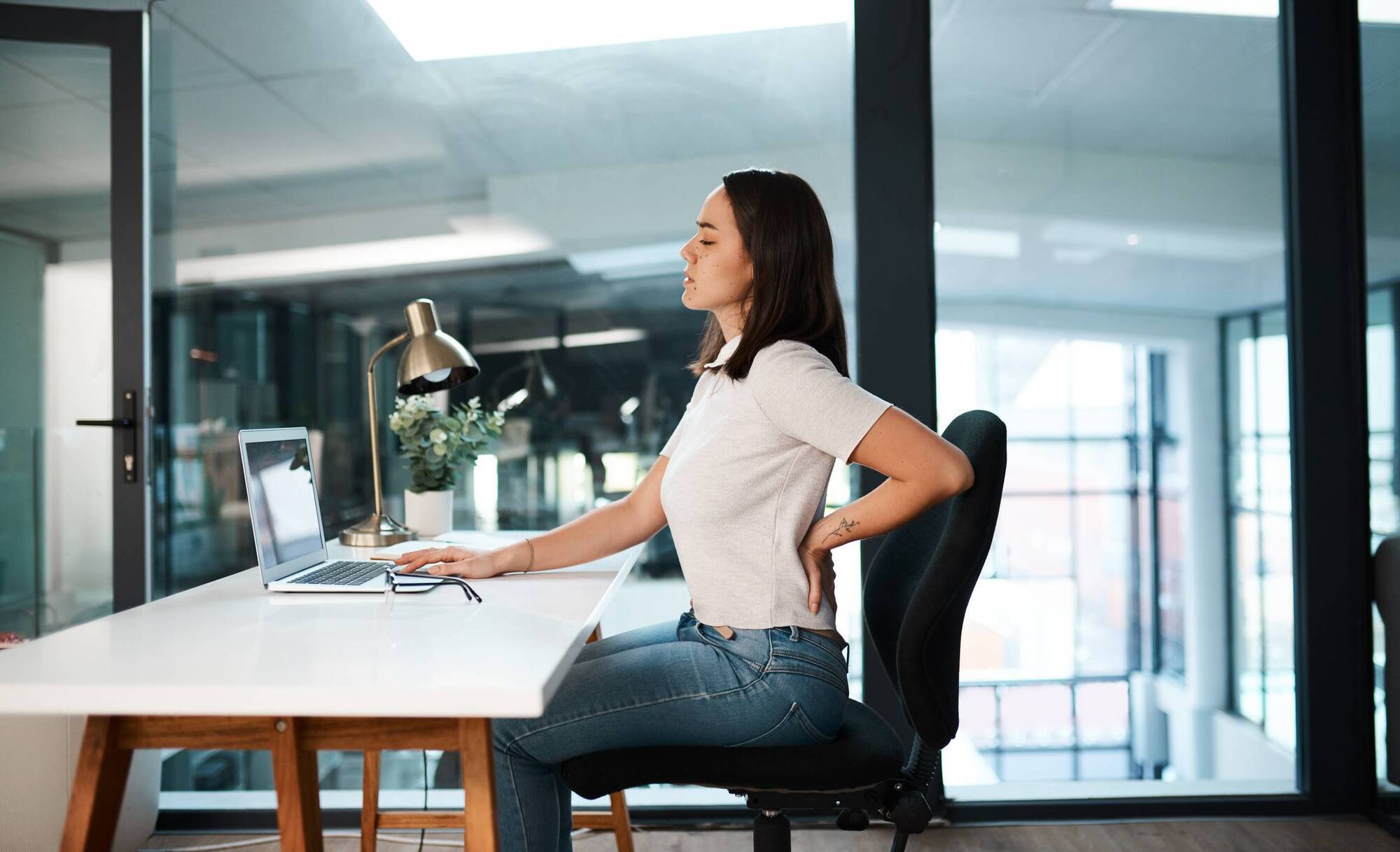
Sitting down all day at work can undermine your health. The Irish Heart Foundation says a sedentary lifestyle is associated with a higher risk of heart disease and stroke 
Pic: iStock

Pic: iStock

Are you sitting comfortably? According to a survey carried out by the Irish Heart Foundation in 2018, the average Irish person spends 7.3 hours a day sitting down, so you probably are.

We’ve become increasingly sedentary at work. “Constant emails and notifications keep us glued to our computer screens, which means we spend more of our working day at our desks”, says Mark O’Reilly, founder of fitvision.ie which works with companies to develop mental and physical wellbeing programmes for employees.

“Many of us even eat lunch there instead of getting up and going for a walk. We’re becoming more and more inactive at work and can suffer from serious health problems as a result.”

Dáithí Carr,
Dáithí Carr,

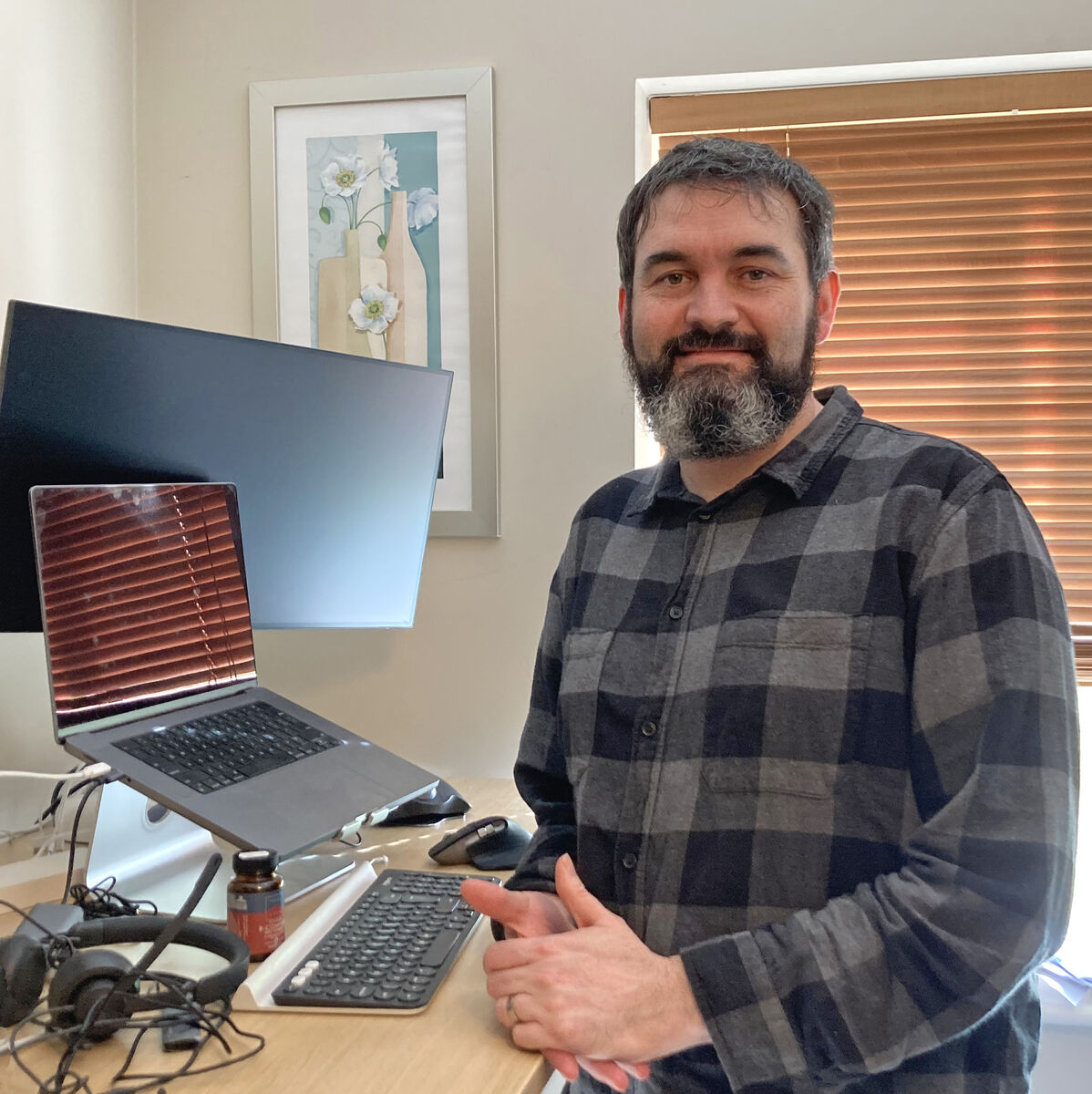
Dáithí Carr, a 42-year-old senior user experience researcher living in County Kerry, knows all about this. “I’ve been working remotely for about four years now in a job that requires me to sit at my computer for at least eight hours a day,” he says. “Before that, I had my own company and spent even more time sitting down. I used to work 70 hours a week and spent 60 of those sitting.”

Staying in one position for so long eventually led to Carr developing an abscess in his lower back. It required surgery and there were some post-surgery complications.

“All in all, it took me about three years to recover,” he says. “The doctors said it was largely due to me sitting too much.”

A sedentary routine like Carr’s can lead to all sorts of health problems, says Martin Ryan, the Irish Heart Foundation’s health promotion officer: “A sedentary lifestyle is defined as spending six or more waking hours a day in seated or lying-down positions,” says Ryan.

“It’s associated with hardening of the coronary arteries, increased abdominal obesity, higher blood pressure and an elevated risk of heart disease and stroke. There’s also an increased rate of musculoskeletal conditions such as knee and back pain as well as mental health effects with reductions in cognitive functioning including less creative thinking, poorer concentration and increased depression.”

Building activity into our day

We’ve known for decades that sitting down was bad for our health. In 1953, Professor Jerry Morris published a study comparing the health outcomes of drivers and conductors on London buses. He found that conductors were 30% less likely to suffer from heart disease because they spent their days walking instead of sitting down.

A landmark University of Leicester study published in 2012 was even more convincing. After analysing data from 794,577 participants, it found a significant difference in health outcomes between the most and least sedentary. Those who spent the most time sitting had a 90% greater risk of death linked to heart disease, a 112% greater risk of diabetes and a 147% greater risk of heart attack or stroke.

If we want to avoid those health outcomes, Ryan believes we need to be more like the bus conductors. He advises us to build some activity into our days.

“We should all move regularly throughout the day,” he says. “We can do this by setting a reminder to move for one minute every hour, be that standing and stretching or just walking around. We can stand up whenever we’re on the phone. We can schedule meetings for 55 minutes
instead of an hour to allow time for a movement break. Or take a stroll when we’re on our coffee break. Or actively commute by walking or cycling to work or taking time to go for a walk or cycle in the morning if we’re working from home.”

O’Reilly agrees and wants to reassure people that building activity into their lives doesn’t have to mean a massive upheaval in their daily routine. “Any low, moderate or high-intensity exercise can contribute to better physical wellbeing, and we can all do a little more, even if it’s just five or 10 minutes of activity,” he says. “So, instead of standing in the kitchen the next time your coffee is brewing, walk around or run up and down the stairs. Or bring that coffee outside and go for a stroll rather than scrolling on your phone. Those short bursts of activity throughout the day add up and make a big difference to your physical and mental wellbeing. It’s sitting down and staying static that works against you and your body.”

It’s also in an employer’s interest to encourage employees to move. “Research shows that an active workforce can reduce sick days by 27% and general absenteeism by up to 20%,” says Ryan. “Promoting a healthy workforce makes financial sense too as absenteeism costs businesses €818 per employee annually.”

O’Reilly thinks it’s important for employers to lead by example. “The culture in the workplace and the behaviour that is modelled by senior leadership is vital,” he says. “Is it common for team leaders to work through lunch or do they get up and walk around? What they do matters as it sets the tone for everyone else.”

Workplace initiatives matter too. Ryan encourages employers to check out some of the Irish Heart Foundation’s resources to get their employees moving. These include a Well@home booklet which contains suggestions for how to stay healthy while working from home, a sitting time calculator which helps estimate how much time you spend on your tush every day and its escape-your-chair challenge, which shows you how to break up your sitting time with regular movement.

“The HSE has also developed a step challenge for the May” says Ryan. “It’s a fun physical activity challenge to encourage workplaces to walk more and registration is open until April 19.”

Stacey Machesney, Irish Life Health

Individual goals and company exercise targets

O’Reilly has seen these initiatives have a positive impact. “The most successful ones are those that everyone, no matter what their level of fitness, can get involved in,” he says. “They really open up the conversation about the importance of physical activity in the workplace.”

The Irish Life Workplace Challenge is an example of such an initiative. “We introduced it on our free health and wellbeing MyLife app in 2020 as a way to support our corporate clients and HR leaders who were faced with challenges brought on by hybrid working including social isolation and reduced exercise,” says Stacey Machesney, Irish Life’s head of health and wellbeing.

This is now its fourth year and 199 companies have taken part to date. This year’s challenge starts on April 28 and participants will aim to reach a combined company target of walking, running or jogging 4,000km in three weeks or an individual target of 5km a day.

Participants can keep track of improvements to their health while they take part. “There’s a health score within the MyLife app algorithm and any physical activity they do will improve their own score and that of their company,” says Machesney.

There’s a competitive element too. “These include team prizes, individual prizes and rewards like vouchers for coffee for those who meet their goals,” says Machesney.

“It’s all part of the challenge, which aims to get people moving in a way that’s supported, motivated and fun.”

Carr may not be taking part in any such initiative, but he is motivated to be more active during his working day: “My work still consists of being at a computer all day but I’m making sure I move more.”

“I set an alarm on my phone to remind me to get up and move six times during the day. I do lunges, press-ups, squats or just walk up and down the stairs for five minutes at a time. I also invested in a standing desk and try to stand for meetings. I go for a walk or do some exercise at lunchtime. The way I work isn’t good for my body and the only way I can make up for it is by moving more.”

More in this section

Lifestyle

Newsletter

Eat better, live well and stay inspired with the Irish Examiner’s food, health, entertainment, travel and lifestyle coverage. Delivered to your inbox every Friday morning.

Cookie Policy Privacy Policy Brand Safety FAQ Help Contact Us Terms and Conditions

© Examiner Echo Group Limited