'I never thought cancer warnings were for me': Man, 48, on living with terminal bowel cancer
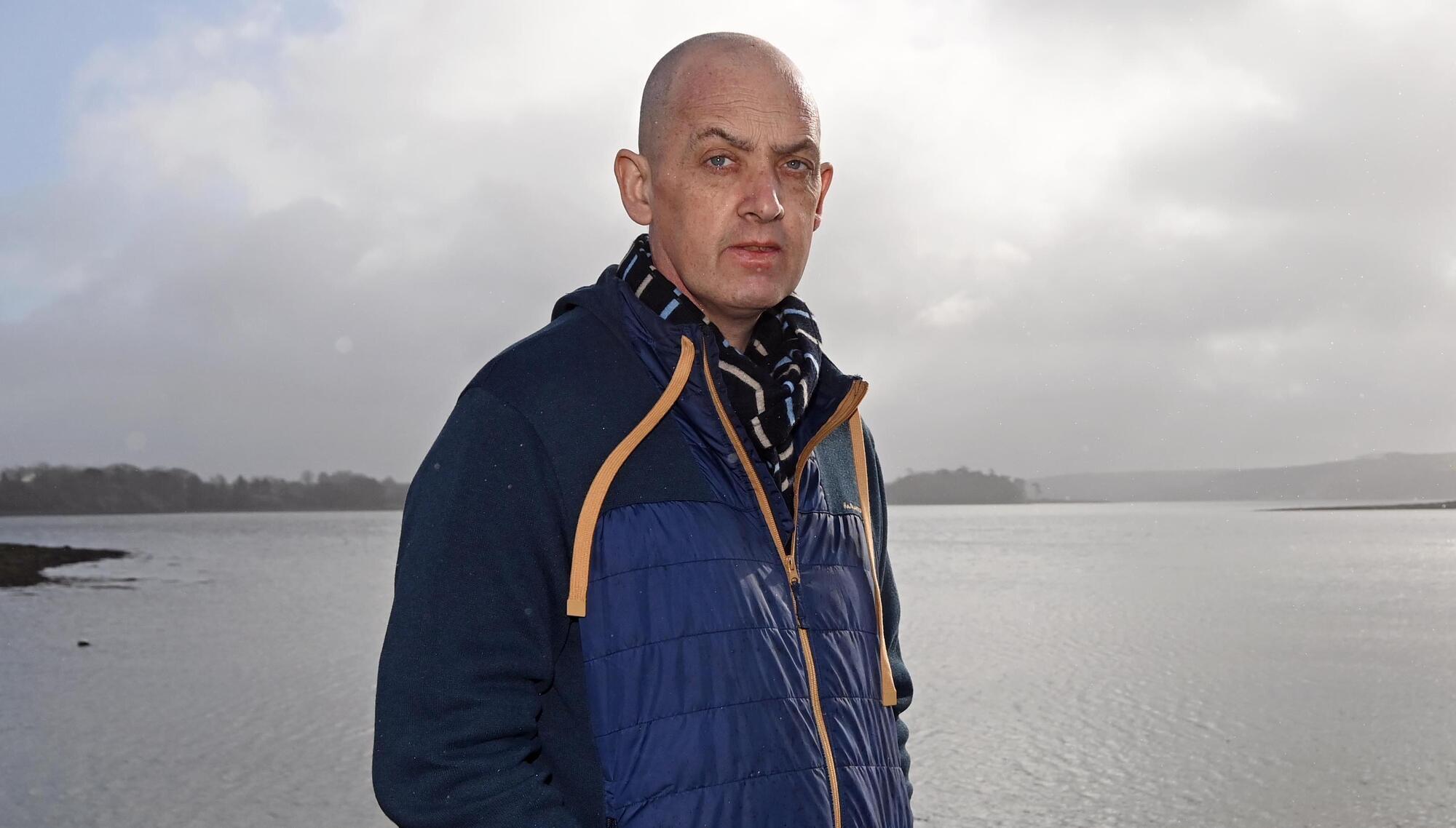
Michael Murphy was shocked to hear he had inoperable bowel cancer months after the initial symptoms presented - he thought his weight loss was due to a new health programme. Now living from scan to scan, he warns others not to put off seeing their doctor if they are concerned
'I never thought cancer warnings were for me': Man, 48, on living with terminal bowel cancer

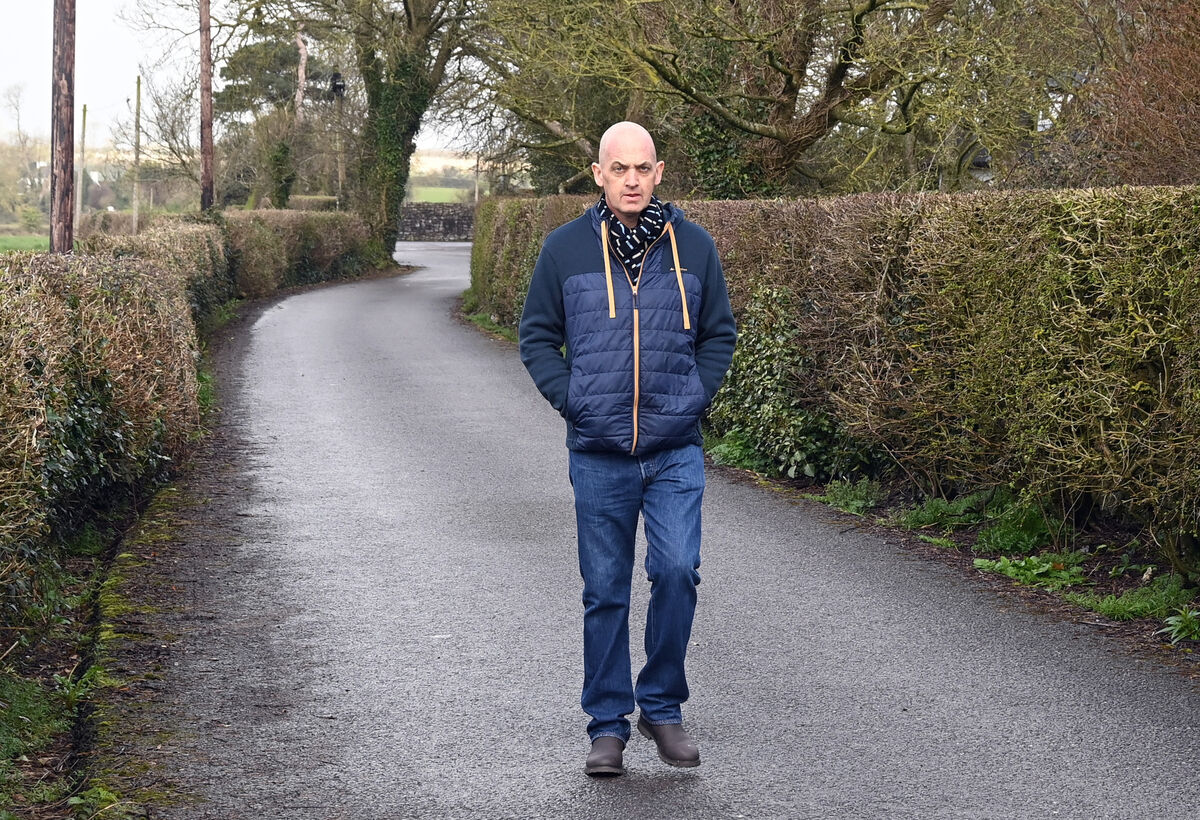
Michael Murphy in East Cork: "Please do not wait. It may be nothing, but it may be something." Picture: Denis Minihane.
Michael Murphy began to experience stomach pains and bloating in April 2020. He didn’t go to his doctor for four months, despite having lost a stone in weight, as he attributed the symptoms to a new health and exercise regimen.

But in August 2020, he began to experience a change in the frequency of his bowel movements and felt unable to empty his bowel fully, so he went to see his GP.

“The doctor thought that I might have a bowel infection or be an undiagnosed coeliac,” says the 48-year-old who moved to Cork from Wexford in 1999. 

“I was put on a course of antibiotics and went gluten-free as blood tests showed that I was indeed a coeliac. But the doctor wasn’t happy that the change in my bowel habits was persisting, so he took another blood sample in September and sent this off to check for tumour markers, which revealed that they were raised.

“I was told not to worry but I would need further tests and a few weeks later, I went for a colonoscopy. Then a couple of days after this, I received a call asking me to come into the Mater Hospital in Cork for the results and to be sure to bring someone with me.”

Cancer had been found in his bowel, so he was referred for surgery. But there was worse news to come as the disease had metastasised.

In November, his bowel surgeon told him the cancer was also in the liver and, as it had already spread, was inoperable.

“He said it would have been very operable if the cancer had been caught before it spread from the bowel and I was now in a long hurdle race — but should just try to jump the one in front of me rather than looking at two hurdles ahead.”

With his symptoms worsening, Murphy was passed onto the oncology team in the Mercy Hospital.

“It was decided that I would have a bowel bypass (ileostomy) and was fitted with a colostomy bag, with an initial treatment plan of three months of chemotherapy and a review to see if my liver was in a more operable state.

“But unfortunately when I met the liver surgeon [in summer 2021], I was told that it would never be operable — what had started as a fight to get over was now something I would die with and die from.”

Worrying about the future

Murphy, who is married to Denise and has three children — Caoimhe, 17, Dermot, 13, and Cormac, 11, says his diagnosis changed the dynamic of their home overnight. Having worked as a truck driver for 25 years, he found himself at home, “worrying about the future” and how his children were processing the whole ordeal.

They have, however, done him proud, he says. The support he received from his children and wife, mother, siblings, friends, neighbours, and cancer support groups has helped him cope as he came to terms with his diagnosis and prognosis following his referral to the palliative care team at Marymount Hospice.

“We now live from scan to scan and old age, grandchildren, and the easy years of having a grown-up family is not something I am likely to experience,” he says. “But having a different outlook on life has given me freedom to enjoy each day to the fullest — a simple thing like meeting a friend for a coffee is more important than working long hours to pay for things like a new car or a flashy holiday.

“The money worries from not working for three years are balanced by spending time with my children and my wife because, in the past, I would often work 70 to 80 hours a week, hardly knowing my family or the great community I live in.

“While I was still at work, my general manager, who had been through cancer himself, took me under his wing and coached me on how to get through the months ahead. He steered me towards ARC Cancer Support House and said I needed to also look after my mental health as I had been in denial, staying far too positive, which was forcing my family to be falsely positive while inside they were falling to pieces.”

Michael Murphy in East Cork. Picture: Denis Minihane.

In May 2021, a social worker at the Mercy Hospital put Murphy in touch with psychotherapist Michelle O’Riordan, who over time helped him to terms with his diagnosis. “In doing so, she helped me to support my wife Denise and kids — so what was once off the cards for discussion was now freely spoken about. Cancer was now an important thing in our lives and something we would be dealing with for the rest of my days, so avoiding discussing it was not the healthy option.”

Murphy, a father of three, who lives in Carrigtohill, Co Cork, would advise anyone with any symptoms to seek advice immediately and not feel embarrassed about going to the doctor.

“They have seen everything and will not think anything of something you feel is too awkward to talk about,” he says. “Since I have been diagnosed, I have met people who are in and out with simple surgery and fully cancer-free months later. But I have also met other people who, like me, the cancer has spread to four or five different parts of the body, and they have since passed away.

“I never thought cancer warnings were for me. I have no family history, am a non-smoker, and am not a big drinker. The loss of earnings has cost me nearly €100,000 to date. A quick check with the doctor in April may have resulted in four months off work instead of the end of my working life, because I ignored it.

“So please do not wait. It may be nothing, but it may be something. I did not have all the symptoms, but I had enough to have acted sooner.”

Colorectal cancers

While most people think of bowel cancer patients as being older, recent figures from the National Cancer Registry of Ireland (NCRI) show that the incidence of colorectal cancers among those under 50 is rising rapidly, having almost doubled between 1994 and 2019 — and now one in 10 people diagnosed with colorectal cancer in Ireland is aged under 50.

In response, the Marie Keating Foundation has launched a new campaign, #NoRegrets, to mark Bowel Cancer Awareness Month this April to encourage the public to be better aware of its signs and symptoms and to increase the early detection of colorectal cancer in ‘younger’ people.

In Ireland, around 2,562 people develop bowel cancer, also known as colon, rectal, or colorectal cancer each year. It is the third-leading cause of cancer death, the second-most common cancer in men, and the third-most common cancer in women.

Professor Ray McDermott, a consultant medical oncologist, says early diagnosis is crucial and would reduce the number of avoidable deaths from cancer and improve overall survival rates.

“Early detection leads to more positive outcomes and the likelihood of curing the cancer, therefore it is of the utmost importance we focus on this as a society,” he says.

“Campaigns like #NoRegrets play a key role in increasing public awareness of colorectal cancer, its signs, symptoms, and potential barriers to diagnosis.

“This year’s campaign also highlights this is not only a disease of older age, but bowel cancer can also and does affect those under screening age, so it is of profound importance that you go to your GP and get checked if you have any concerns about changes in your body.”

  • The Marie Keating Foundation, along with patient ambassadors from the Irish Colorectal Cancer Community, is hosting the first annual colorectal seminar, Let’s Talk Colorectal Cancer, on April 20, from 1.30pm to 5.30pm at the Clayton Hotel, Cork. This seminar will focus on early-onset colorectal cancer and is for patients and carers as well as GPs, nurses, and healthcare professionals. For more information, visit mariekeating.ie

Warning signs

More than 2,500 people are diagnosed with bowel cancer in Ireland every year.

Symptoms include:

  • Blood in bowel movements;
  • Diarrhoea or constipation which lasts longer than six weeks;
  • Unexplained weight loss;
  • Pain in abdomen or rectum;
  • A feeling of not having emptied the bowel property after going to the toilet.

If you have any concerns, please seek medical advice as soon as possible.

  • Note: Free bowel cancer screening is available to everyone aged between 60 and 69 living in Ireland. To avail of this service, visit bowelscreen.ie or call 1800 45 45 55

x

More in this section

Lifestyle

Newsletter

The best food, health, entertainment and lifestyle content from the Irish Examiner, direct to your inbox.

Cookie Policy Privacy Policy Brand Safety FAQ Help Contact Us Terms and Conditions

© Examiner Echo Group Limited