I've been on anti-depressants for 10 years — but is it the right treatment for my disorder?
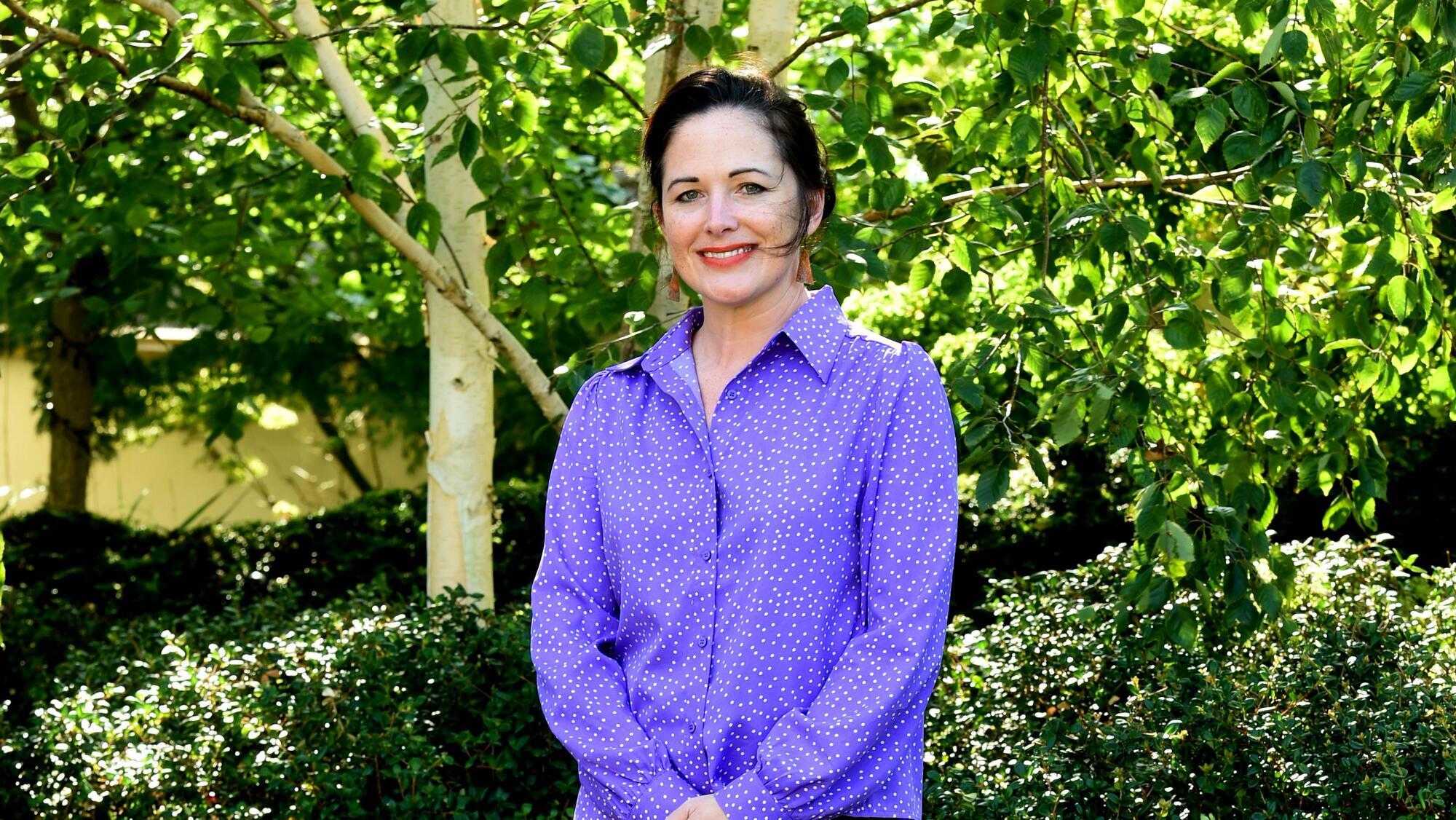
Irish Examiner columnist Jennifer Horgan has been on medication to treat Premenstrual Dysphoric Disorder for the last ten years. Her dream is for the medical profession to take a more holistic approach to the disorder. Picture: Larry Cummins
I have been on the same treatment for Premenstrual dysphoric disorder (PMDD) for ten years now.
PMDD for anyone who doesn’t know is a condition relating to menstruation. It has been described as the evil twin of PMS. Mine flared in my early 30s, after my second baby and before my third. I began to suffer extreme bloating, but whilst the physical stuff was manageable, my mood changes were not. The pendulum would swing every month before my period, or rather a deafening gong would strike and stay striking for about a week or so. The second my period arrived everything would go quiet. I’d be myself again.
Desperate for answers, I went to the hospital for a full check-up.
When they found nothing wrong, I sobbed, knowing that my struggle would continue. The doctor asked me if I was safe at home. When I said I was, and when I detailed my monthly feelings of pitch-black despair, he diagnosed me with PMDD and put me on anti-depressants. Ten years later, I’m still on them.
The sticker on the box of my medication tells me I may feel drowsy. I often do. I feel numb sometimes too. I set about writing this article wondering if I could do something different, something better, to manage my condition.
PMDD is a neglected condition and despite affecting approximately 5-8% of menstruating people, it is still unknown by most. An even more common condition, endometriosis, affecting ten percent of menstruating people, suffers a similar fate. The Irish EndoMarch next week in Dublin will see women petitioning to receive adequate medical care for the debilitating condition.
So, one consolation on my search to find answers, if a grim one, is that PMDD has company in the forgotten corners of the medical world.
Dr Patrick Magovern of Drummartin Clinic Dublin explains why PMDD is his favourite condition to treat.
“I enjoy treating PMDD because so much can be done to treat it successfully.
He never prescribes anti-depressants for PMDD and favours a mixed approach. Doctors are taught too little about hormones during their training he argues, few coming to realise that hormones have personalities.
In his experience, there are two kinds of PMDD sufferers, those with low oestrogen, who tend to be sad and flat, and those with too little progesterone, who tend to be very stimulated. When I identify myself as the former he goes on to suggest various symptoms, all of which I experience: frequent urination, even during the night; dry eyes and skin; relief at ovulation followed by a sharp dip in mood and productivity before the arrival of a period.
He sees some tragic cases, he tells me, and is frustrated by how easily they could have been treated.
The doctor believes our medical model of PMDD lumps everyone together whereas symptoms differ, sometimes very significantly, from patient to patient. An individualised treatment plan hopefully avoids the use of medicines such as antidepressants which may cause significant side-effects.
“I take it in layers. It is a cellular disorder, an abnormal reaction to hormones. We also need to look at the liver and how it breaks down old hormones. There is also a gut connection, so we need to discuss nutrition.” He believes we need “A more multi-faceted approach.”
His is a private clinic without state funding so he understands that many women will never get the help they need. A lot can be done to minimise the effects of PMDD before taking anti-depressants in his opinion.
“Sugar and alcohol may be problematic. We can do better than anti-depressants or artificial menopause. For self-help magnesium and B6 are usually worth a try. They should avoid getting constipated. They should do their best to relax the nervous system through meditation, yoga or whatever works.”
Sharon Kavanagh, a nutritional therapist, is also passionate about alternative treatments for conditions. She believes that food and an awareness of the nervous system can help us improve our standards of living.
“I go to my doctor to get my bloods done and everything else. My doctor is amazing, but I also do what I can to help myself.
"Food plays a huge role in wellbeing. Processed food is not real food and then we use medicine as a band aid. Food affects your biochemistry.
"But conditions like these also relate to the nervous system. Some people can eat what they like and they’re ok because their body is absorbing what it needs. Others won’t have that experience and that’s down to their nervous system.
"Trauma, what’s going on in our subconscious, developmental or intergenerational trauma, these play a role too.”
Kavanagh links PMDD to an overactive nervous system, a system that has experienced long-term chronic stress. I reflect on what I was going through around the time my PMDD developed. Was it my move abroad that triggered it? My two difficult births? Was I suffering from chronic stress without knowing it?
The nutritional therapist is also very keen on tracking level of histamine in the diet. She believes an overactive nervous system often produces too much histamine which adds fuel to the fire of conditions like PMDD.
Like Dr Magovern, she champions an holistic approach to conditions like PMDD.
“It’s not about taking one pill and clearing it all up. Our society is all about work and stress, but our bodies only heal when we are in a parasympathetic state, when we eat and rest, sleep and digest. We need to prioritise that in our lives.
"Sleep is so important to our health. My dream is that doctors start to work more with other therapists; I would love to see hubs developing with different disciplines in one place.
Emily Holloway, a psychotherapist and co-founder of the PMDD collective in the UK says the number of women suffering from PMDD is staggering.
“If we take it to be 5.5% of menstruating people, that’s about 900,000 sufferers in the UK. Everyone knows someone who has it, but they might not know they do. This is why awareness is so important.”
Holloway references the number of sufferers who experience suicidal ideation. She believes the neglect of the condition is partly down to a patriarchal model of medicine that fails to understand menstruation fully. Too often, she argues, women are told their feelings are normal, just normal PMS.
“Women are misdiagnosed with bi-polar or borderline personality disorders.
That said, Holloway believes anti-depressants work. She believes that women need to advocate for themselves and look for the best product for them, one that doesn’t produce unhelpful side-effects.
Holloway echoes both Sharon Kavanagh and Dr Magovern in suggesting possible lifestyle changes like reducing or giving up alcohol and caffeine.
“Education can play a big role. All children from primary school should learn more about menstruation beyond its role in pregnancy. Boys and girls need to be more aware because menstruation is fundamental to wellbeing. There is also a massive crossover between PMDD and neurodiversity. Many autistic people and other neurodivergent people suffer from PMDD. Clinicians working with these young people need to be aware of this link.”
My conversations this week have caused me to revisit my condition, to re-consider how I’ve been treating it. I’m hopeful that someone like me, ten years ago, might read this article and find the help they need.
Whatever solution they decide upon, I wish them years of wellness, quiet, and peace.
CONNECT WITH US TODAY



Be the first to know the latest news and updates