Case-in point: Why cheese is good for heart health
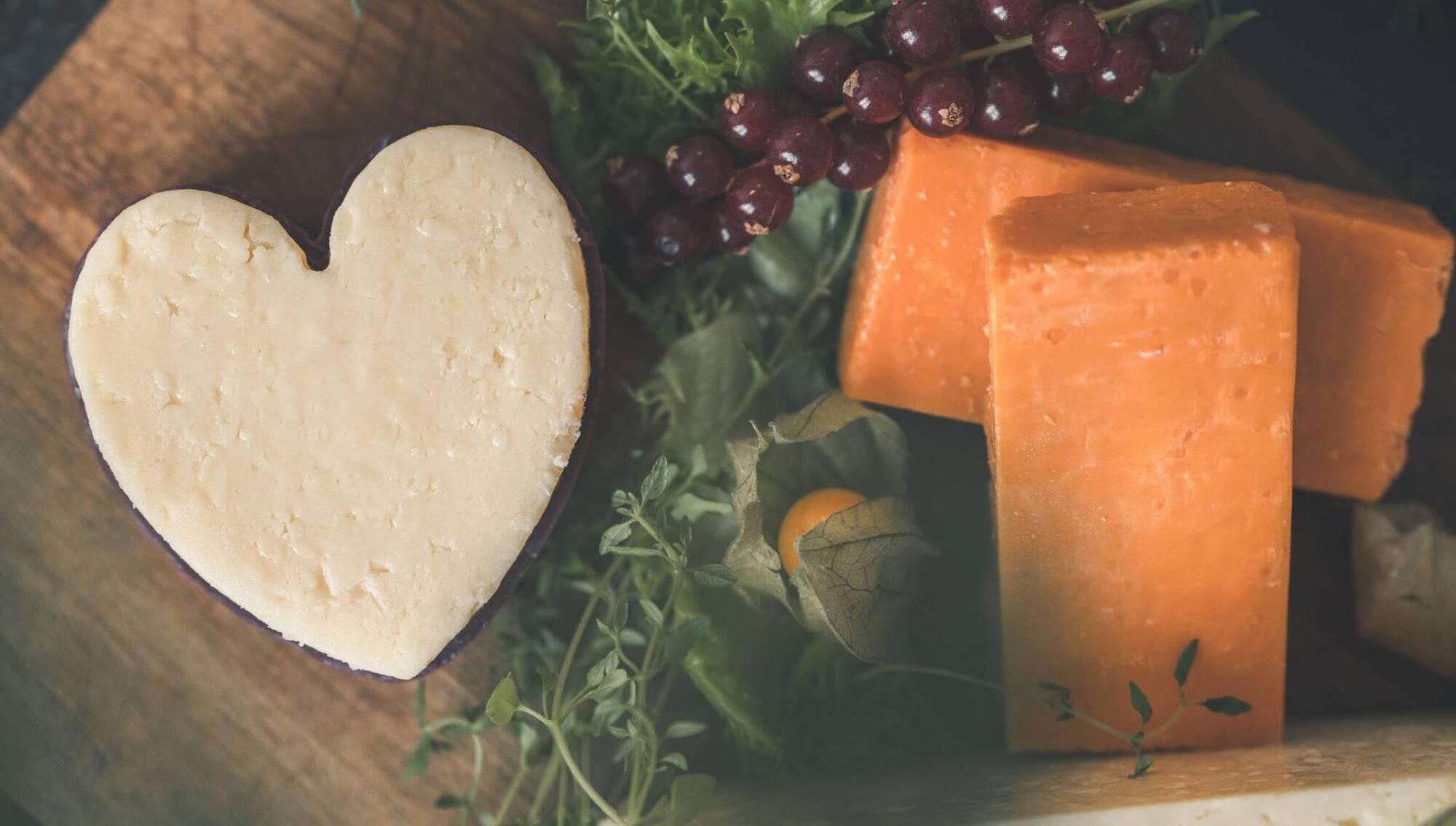
Cheese has had a bad reputation in terms of heart health because of its salt content. It is advised to check the label if you have been advised to reduce your sodium intake. Picture: iStock
If you were asked to name a food that is good for the heart, you probably wouldn’t choose cheese.
With a reputation tainted by its high saturated fat content, cheese in all its delicious forms has long been associated with raised cholesterol and poor artery health.
But that is being called into question by scientists who are suggesting that cheese might not be as bad for us as we think.
In the latest of these papers, recently published in the American Journal of Clinical Nutrition, assistant professor of food science at University College Dublin, Emma Feeney, and her colleagues, confirm that the cheese-making process alters the chemical arrangement of nutrients and other components of milk, affecting how it’s digested and processed by the body, so it doesn’t raise bad low-density lipoprotein (LDL) cholesterol to the same extent as other dairy foods.
“There is increasing evidence that suggests cheese is not harmful for heart health and may in fact be beneficial,” Feeney says.
“So many association studies and meta-analyses have found evidence for heart health benefits, mostly from harder, casein-based cheeses such as cheddars and parmesans.”
A 2022 study in the American Journal of Clinical Nutrition provides further evidence in favour of cheese.
The researchers found men with high intakes of saturated fats from dairy, including cheese, had healthier arteries than men who didn’t eat much dairy or cheese. So rather than causing raised cholesterol levels and blocked arteries, it seems a moderate cheese intake can be helpful in preventing them.
“We know that many animal-based foods that are high in saturated fats are not good for heart and artery health when consumed in excess,” says Dublin-based dietitian, Sarah Keogh.
“However, evidence suggests that cheese doesn’t have the same harmful effects as something like butter, so my advice is always to cut down on other sources of saturated fats before reducing cheese intake.”
We already know that cheese is a source of nutrients including calcium and protein and provides a host of vitamins including A, B2 and B12 and minerals such as iodine, essential for bone health and normal functioning of the thyroid gland.
Also, the vitamin K found in cheese — particularly strong sources include edam and aged gouda — may protect against artery blockages that can lead to heart disease and stroke, with a 2022 study confirming benefits.
Cheese also has a reputation for being highly salty, but not all cheeses are the same.
“Salt is added as a preservative in many cheese-making processes and some hard and blue cheeses have a relatively high salt content so it’s always wise to check [the label] if you have been advised to cut down,” says Keogh. “However, it is better to cut salt elsewhere in the diet by reducing processed foods as cheese in moderation has so many health benefits.”
All good news for a nation of cheese lovers. Ranked third worldwide among countries with the highest production of cheese per capita, Ireland produces 56.7kg per person, topped only by New Zealand (76.1kg per person) and Denmark (78kg per person). Research by Teagasc shows two-thirds of the population regularly eat cheese, nibbling through an average of 21g a day.
Here are cheeses to choose for health benefits, and why:
Quark or cottage cheese for muscle building
Eating 30g (about 2 tbsp) of protein-rich cottage cheese 30-60 minutes before going bed was shown to boost muscle recovery and metabolism as effectively as commercial protein supplements.
In a study at Florida State University, active women who took cottage cheese two hours after their last meal each evening showed speedy recovery and, despite eating the cheese at night when it’s more difficult to work off calories consumed, showed no increases in body fat during the trial.
The researchers said: “Whole foods work just as well as protein supplementation, and it gives people options for pre-sleep nutrition that go beyond powders and shaker bottles”.
Feeney says ricotta and other soft cheeses such as quark, a soft, spreadable cheese that looks like thick yoghurt, might hold similar benefits. With fast-release whey protein, they are associated with greater muscle gains in most studies, while the casein protein in these cheeses provides a slow and steady amino acid release further topping up muscles.
Parmesan for gut health
It’s high in calories (431 calories per 100g) but don’t let that put you off shaving parmesan onto your pasta because it will bring benefits for your microbiome. Parmesan cheese contains a range of beneficial bacteria including the bifidobacterial and lactobacilli variety known to be beneficial for gut health.
But Italian researchers writing in Nature journal found a particular bacteria in Parmesan, called bifidobacteria mongoliense, is adept at colonising the human gut because it is highly resistant to stomach acid.
Eating 45g of Parmesan cheese every day for a week alongside a glass of pasteurised milk, resulted in people having better gut bacteria levels than those who ate the cheese without the milk.

Blue cheese for heart health
Feeney says the ripening process of blue-veined cheeses helps to break down proteins that, in turn, produce beneficial bioactive peptides.
“Peptides such as BPP (bradykinin-potentiating peptides) are produced and released from blue-veined cheeses and they have antioxidant and anti-inflammatory effects in the body,” she says.
“They are also associated with the lowering of raised blood pressure.”
Roquefort, which is aged in caves near Toulouse, tops the health leaderboard. Reporting in Scientific World journal, a team of Cambridge-based scientists found compounds within Roquefort help lower cholesterol levels and prevent artery inflammation and may be “more favourable to cardiovascular health” than other cheeses.
Some blue cheeses — such as Stilton — are highly salty, so are best limited if your blood pressure is high.
Mozzarella for immune support
Traditionally made from buffalo milk (it is also made from cow’s milk), mozzarella contains bacteria that act as probiotics, including strains of lactobacillus casei and lactobacillus fermentum, which are associated with improved gut health and immunity.
Plus, it is lower in sodium than a lot of cheeses; 0.6g per 100g compared with 1.81g in cheddar.
Cheddar for healthy teeth
“Cheddar remains our favourite cheese in Ireland,” says Keogh. “But there’s more to it than just tasting good.”
It’s a good source of calcium and vitamin K, important for strong bones and teeth health.
A General Dentistry journal study showed regular consumption of cheddar cheese may protect teeth against cavities and studies have shown that fat from cream cheese was absorbed by the body more rapidly than fat from cheddar.
Feeney’s research suggests that the saturated fats in cheddar have less of an adverse impact on “bad” LDL cholesterol levels than those in butter. As a fermented food, it is also good for boosting the microbiome and, in turn, supporting immunity and all-round good health.
“The variety of beneficial bacteria does depend on the starting culture and each cheddar cheese will be slightly different but it is generally very good for gut health,” Feeney says.
The more mature a cheddar, the greater the number of beneficial gut bacteria it likely contains.
Swiss cheese for strong bones
Cheese is among the best sources of vitamin K2 which is vital for producing strong bones as well as for playing a key role in blood clotting and boosting cardiovascular health but is only found in animal foods and some fermented foods.
Researchers who analysed a variety of Swiss cheeses for vitamin K2 content found Swiss Emmenthal and Raclette cheeses to be the richest sources of vitamin K2 while Gruyère had the lowest levels.
CONNECT WITH US TODAY



Be the first to know the latest news and updates