Eight easy ways to instantly boost your mood this January
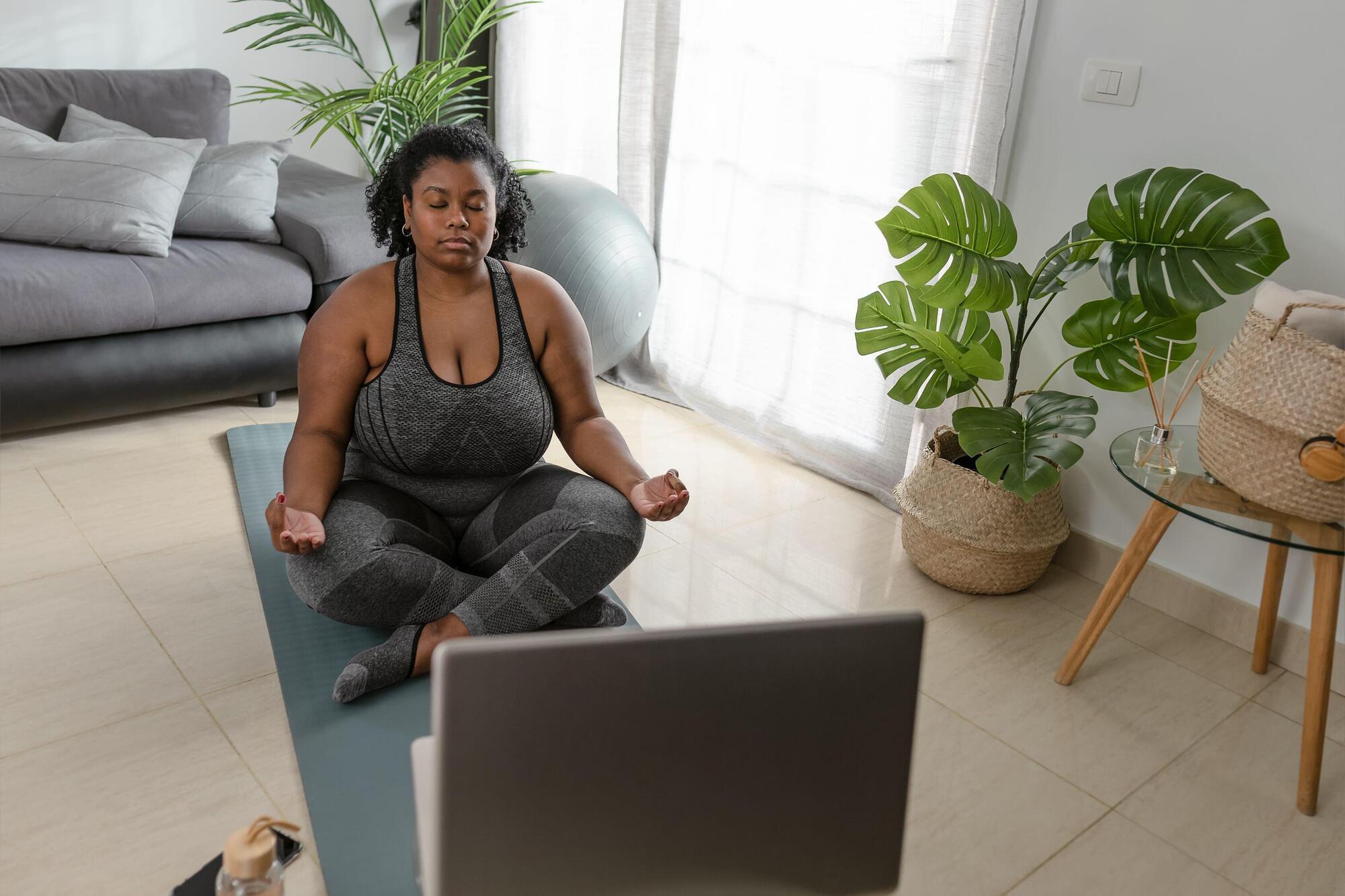
Simply focusing on your breath, can be beneficial for reducing stress and anxiety
When we wake up during these dark wintery mornings, the urge to slip back under the duvet, and scroll our phones thoughtlessly in the dark can seem particularly appealing.
But if you’re feeling down, that’s a quickfire way to feel more lethargic and lackluster.
Here are eight simple alternatives to an instant mood boost.
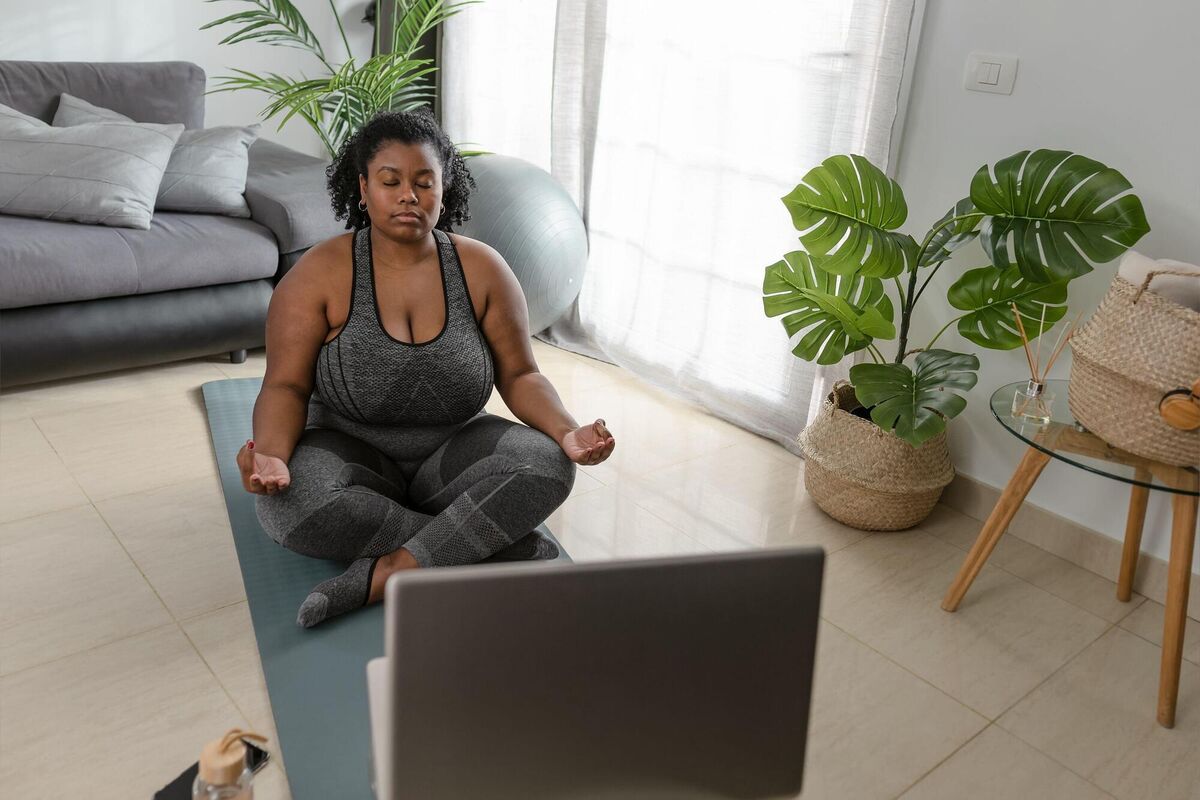
A wealth of research has shown meditation practices, or simply focusing on your breath, can be beneficial for reducing stress and anxiety, improving sleep quality, and having a positive impact on our immune and cardiovascular systems.
But there are also instant mood benefits.
Níall Ó Murchú, author of The Blissful Breath and certified Wim Hof Method instructor says taking some time, even just a few minutes, to pay attention to, and potentially shift, how we are breathing, can have a instant impact on how we feel.
“And when we focus on breathing calmly and slowly, we start to feel peaceful, in control and safe.”
“How we breathe dictates how we feel,” he says, “and the great news is, no matter how we're feeling, we can change how we're breathing and as a result change how we're feeling.”
As a starting point, Ó Murchú advises trying to focus on calmly and slowly breathing out for at least five breaths, focusing in particular on a long exhale.
“The science shows us that within about five of those long, slow exhales a part of our brain called the vagus nerve begins to activate and it drops our heart rate, our body starts to soften. We start to feel calm again.
“So even just focusing on your exhale, just for five, six breaths, maybe a minute or two can have a dramatic effect.”

The HSE advises adults do 30 minutes of moderate activity at least five days a week – for wellbeing as well as physical health benefits.
“The mental health benefits of exercise are often forgotten about in January, when the focus turns to the physical benefits,” personal trainer Nathalie Lennon says. Nut, the mood-boosting effects of movement really are “phenomenal”.
“View exercise as something you do to ‘feel good’ rather than ‘look good,’ and it becomes much easier to motivate yourself to get moving.
“When you exercise your body releases endorphins, natural feel-good chemicals that interact with the receptors in your brain. So, it’s literally impossible not to feel better afterwards!”

Marie Kondo is famous for claiming tidying up can transform your life – and she might be on to something as research from the University of California shows a messy room can make us feel more anxious and stressed.
“Decluttering is a great way to feel more in control of your life and remember what matters most during uncertain times,” decluttering coach Suzy Kell says.
“Start with a micro-project, like decluttering the bottom drawers of the fridge, to start your journey towards a home that smiles at you from every corner.”

Research shows that spending at least 120 minutes a week in nature is associated with improved self-reported physical health and enhanced levels of well-being.
Influencer, author and founder of the Hike Life Roz Purcell says if she’s feeling overwhelmed, “getting outside brings me back to the right now, the present.”
“Hiking for me has always been my escape from anything in my life I need a break from,” she says, “whether that’s technology, work, or over thinking.” “It’s a reminder to take deep breaths and that in the chaos of life there’s always some stillness.”
If you don’t feel up for a hike, simply playing outside with your children or birdwatching can have the same effect.
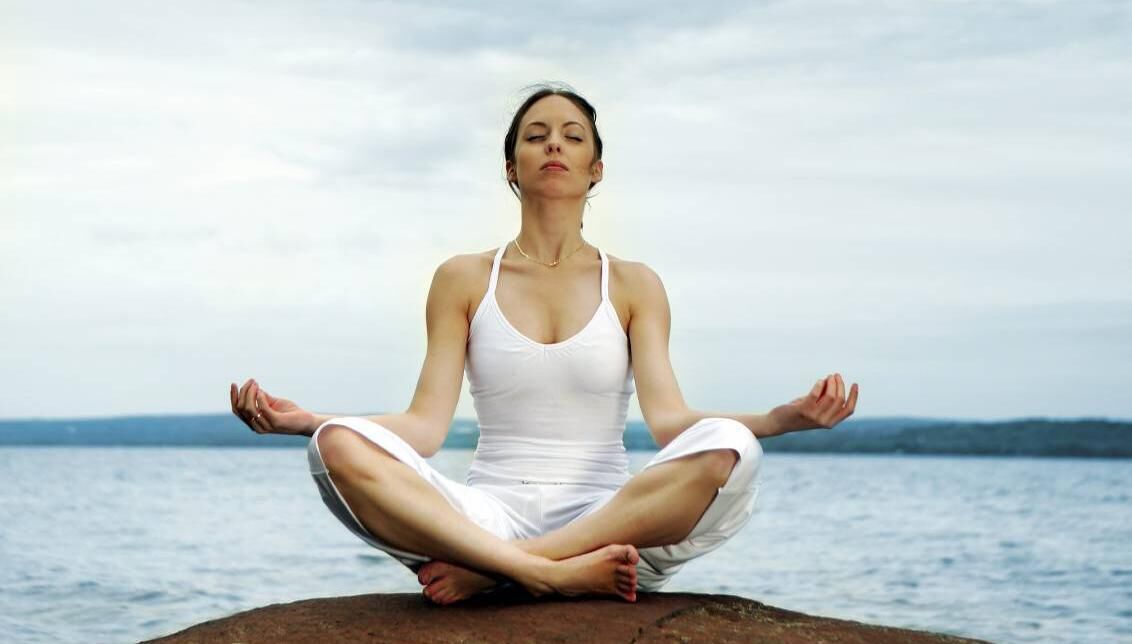
“Many people perceive yoga to be all about flexibility and strength,” yoga teacher Erica Bracken says, but getting on the mat could also be benefical for your mood.
"Even a single yoga class is proven to increase not only endorphins - one of the 'happy hormones' - but also gamma-aminobutyric acid (GABA) in our brain, which is associated with lower levels of depression and anxiety,” she explains.
“Plus, the regulation of breath in yoga tones the vagus nerve, triggering instant and long-term improvements in mood."
If you don’t have the time or money to head to your local yoga studio, you can simply practice at home with a Youtube video. Some 11.5million people are subscribed to the @yogawithadriene channel who posts videos weekly, free of charge.

“Animals are experts in mindfulness,” according to Pete Wedderburn, veterinary surgeon.
“They live in the present moment all the time, as far as we can tell.”
“This means that they are experts in helping us focus on the present moment, and this is the perfect way to forget about our troubles and improve our moods.”
“Whether you take a dog for a walk in the countryside (with the added boost of a blast of the natural world to also enhance our feeling of well-being), sit with a cat purring in your lap (proven to reduce your blood pressure), spend time watching your aquarium fish swim gracefully around their tank, or sit on an outdoor seat while your backyard flock of chickens peck the ground around you, spending time with animals is almost guaranteed to lift your spirits and help you to realise that life really is not so bad, after all.”
If you don’t own your own pet, why not offer to walk a friend’s dog or visit your local animal shelter to help out?
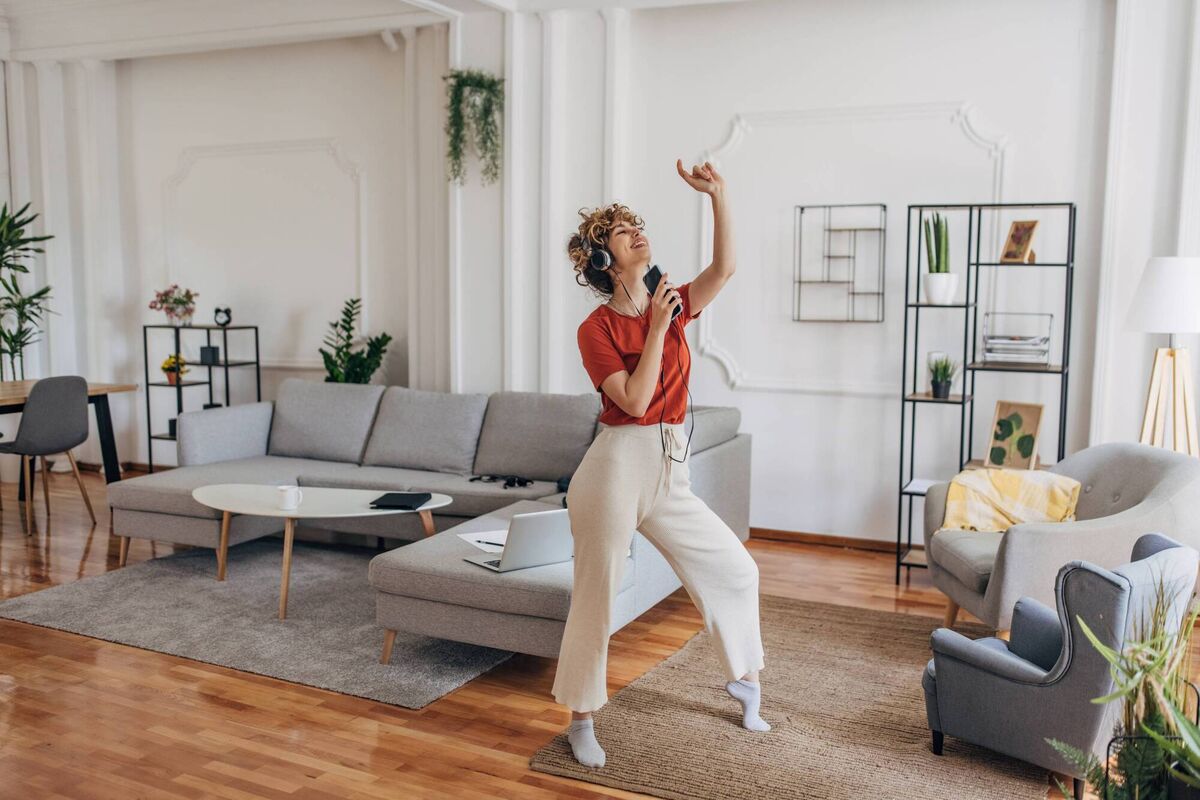
Podcaster and dancer PJ Kirby says while it might sound like some “hippy stuff,” dancing really is the perfect mix of expression and exercise – making it an ideal mood booster.
"There's an ongoing debate [about] whether dance is considered an art form or a sport. I always argue that it's both.
“You leave a class - or the dancefloor on a night out - with that post exercise high that you get from the gym."
If you’re too intimidated to head to a dance class like Kirby’s own Throwing Shapes, or let loose on the dancefloor on a Friday night, you can always have a boogie to Lizzo in the privacy of your own room.
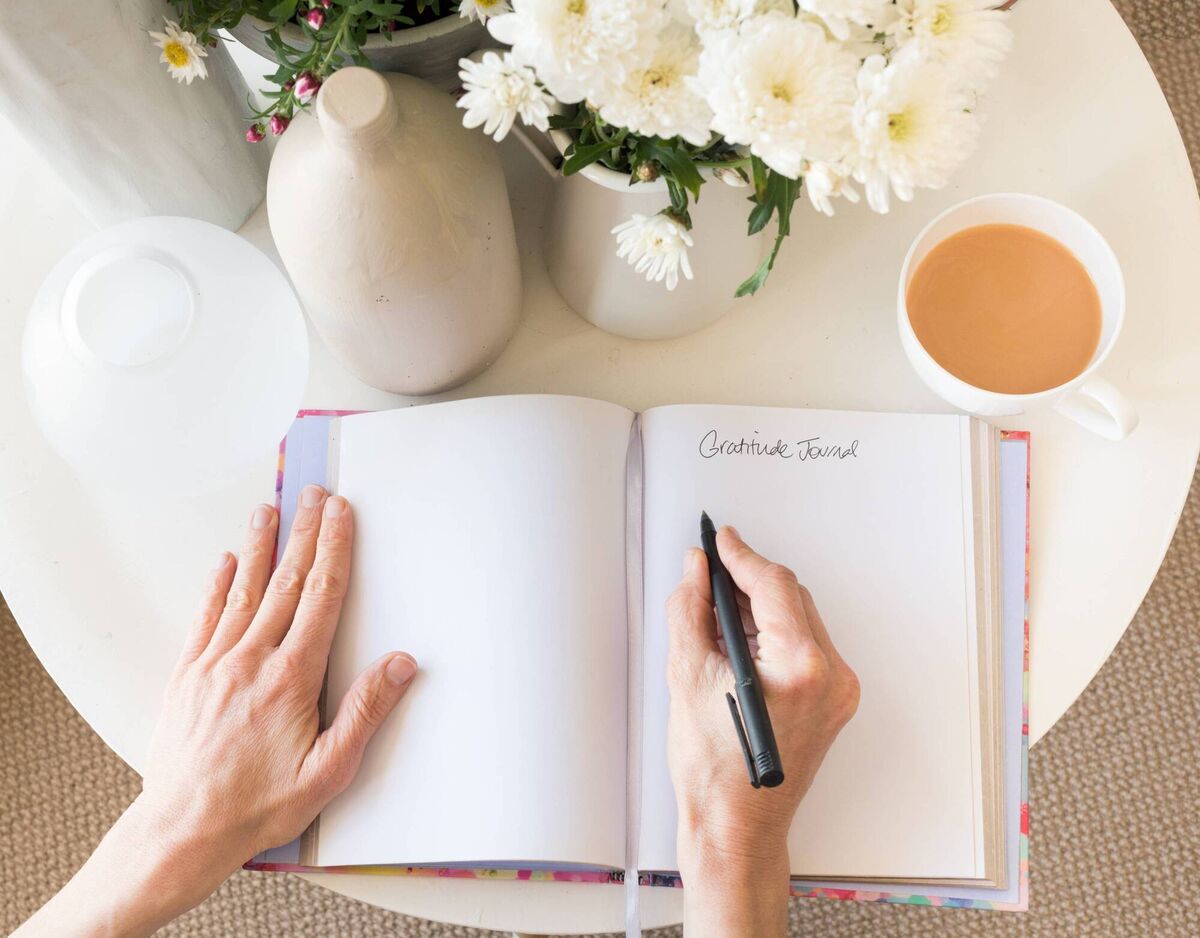
French philosopher Voltaire is credited with the quote “I choose to be happy - because it’s good for my health.”
“We cannot be grateful and unhappy at the same time”, Dr. Eileen Forrestal of the Get Up and Go Journals says.
"I'm grateful I have a choice, and I choose to be grateful.
“In life, there is always something to be grateful for.”
Why not try adding a daily gratitude practice to your day? You can keep a journal beside your bed to scribble in each night, or simply take a moment during your morning shower to reflect on three things you’re grateful for today.

CONNECT WITH US TODAY



Be the first to know the latest news and updates