Workplace Wellbeing: What are the warning signs of burnout and how to avoid chronic stress?
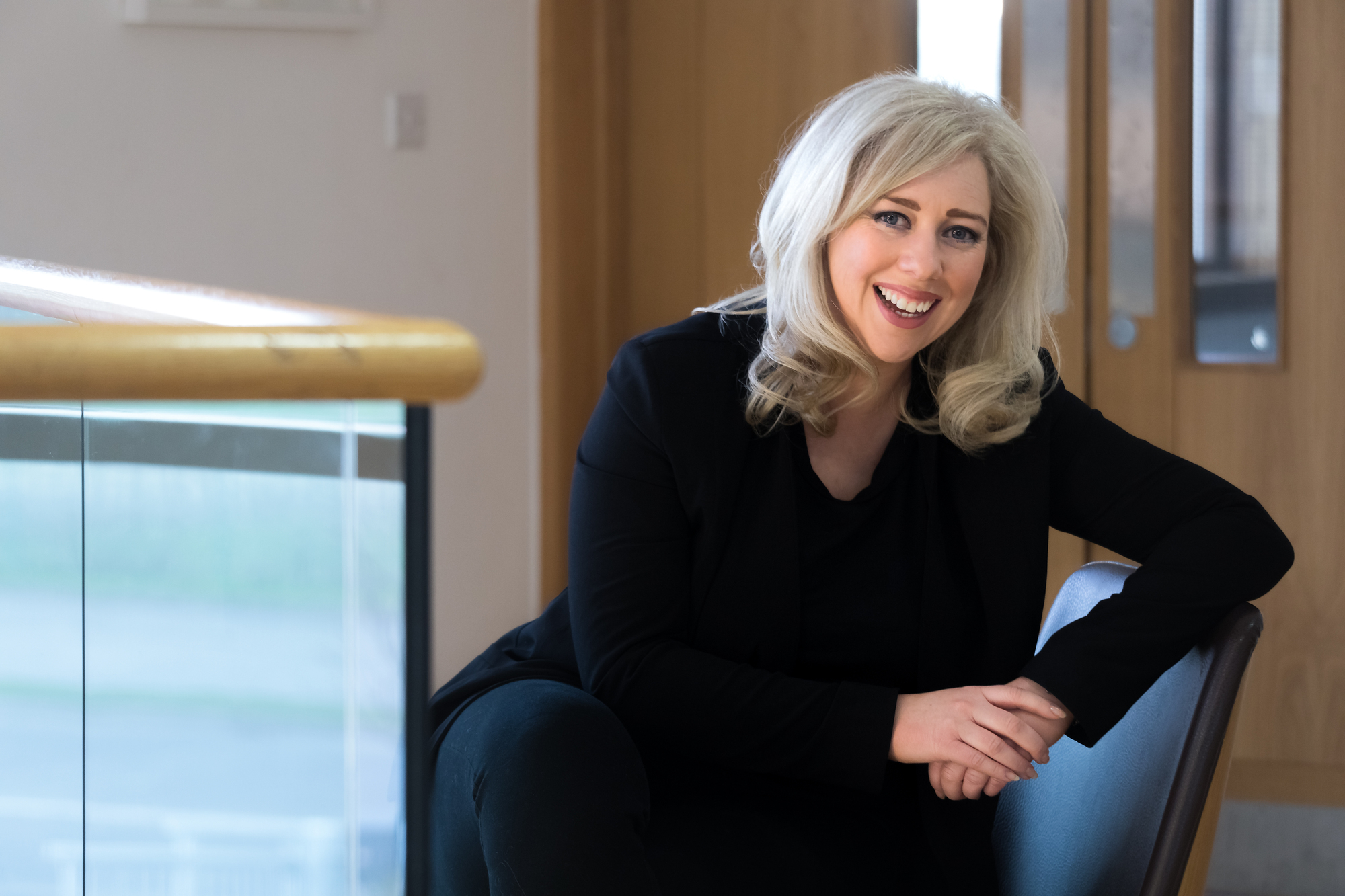
Fiona Buckley: 'I thought I was the one who was failing, that it was my fault I couldn’t cope with the workload'
Fiona Buckley was once a corporate high-flier. She spent 16 years in that sector, rising to the position of vice president of professional services for a global tech company.
While working in one such role, she began to experience mental and physical health issues. “I had this constant cloud of feeling overwhelmed,” says the now 42-year-old who lives in Dublin. “I was stressed from the moment I got up to the moment I went to bed every day. I had frequent headaches, insomnia and anxiety. The slightest thing would irritate me. I wasn’t functioning.”
She didn’t go to see a doctor: “I thought I was the one who was failing, that it was my fault I couldn’t cope with the workload.” She consulted Google instead and began to suspect she had burnout.
The term burnout was coined in 1974 by American psychologist, Herbert Freudenberger, to describe the consequences of high stress in caring professions such as medicine and social work. He used nurses and doctors who were too tired to feel for their patients as classic examples of the phenomenon. However, it wasn’t until 2019 that the World Health Organisation recognised burnout, defining it as ‘an occupational phenomenon resulting from chronic workplace stress that has not been successfully managed’.
Post-pandemic, more of us may be experiencing it. A Gallup poll released in October canvassed 12,000 workers from 11 European countries and the US and found that workers from Ireland, Britain and Belgium complained of burnout the most, with 30% stating they felt burnout very often or always.
Burnout signs
Siobhán Murray, a psychotherapist and author of The Burnout Solution, describes the warning signs: “Continual fatigue, feeling disconnected from work and family, irritability, sleep disturbance, feeling cynical about work and life, social withdrawal and possibly an increased dependency on alcohol, drugs or food; when these symptoms are part of your life for periods of eight weeks or more, you’re likely to be experiencing burnout.”
Certain factors appear to increase our chances of developing burnout. “High job demands combined with a lack of recovery from work is one,” says Deirdre O’Shea, an associate professor of work and organisational psychology at the University of Limerick. “Research demonstrates the importance of daily recovery time from work and of being able to stop thinking about work when you’re not working.”
One such piece of research is a 2020 Norwegian study [exa.mn/work-fatigue]. Of its 3,186 participants, those with a high workload and reduced opportunities for recovery were more likely to report psychological and physical fatigue.
Modern technology can encroach on this recovery time. “Things like checking email on our phones [after work hours] prevent us from detaching from work,” says O’Shea.
The pandemic exacerbated the problem too. O’Shea says: “Many of our non-work activities were suspended, so there was less opportunity for recovery. Social interaction and support from co-workers were more difficult. Demands on us were increased and the resources available to us were reduced. That can definitely lead to burnout.”
This is because none of us is designed to cope with stress for long. “Our bodies’ fight or flight response is not supposed to be activated for days, weeks or months on end,” says Murray. “Continually unresolved stress impacts our body mentally, physically and emotionally.”

Perfection the enemy of the good
Frontline workers suffered more stress than most and a 2021 Irish Nurses and Midwives survey showed that it had taken its toll. When asked how they had been affected by the pandemic, 90% of the 1,905 nurses and midwives interviewed said they were mentally exhausted as a result.
Even when there aren’t contributing factors like Covid-19, some are more prone to burnout than others. “Most of my clients are high achievers who are driven by a desire for perfection,” says Murray.
Buckley admits that she conforms to this stereotype: “I like to call myself a recovering perfectionist, I’m a hard worker, conscientious and very self-driven.”
This might explain why she experienced burnout not once but twice. She is now a self-employed work behaviourist, lecturer and executive coach and her second bout of burnout occurred soon after she started working for herself: “It followed a similar pattern to the first, except that I had far more physical symptoms. I had tremors, stomach pains, headaches and tingling in my hands.”
Her response was different the second time around. “I hid everything from my employer the first time,” she says. “I thought even mentioning burnout would get me laughed at. But the second time, as soon as I felt myself spiral, I sought help from a supportive doctor.
She now has strategies in place to avoid further instances of burnout. “I have a list of 15 items of self-care like yoga, walking, connecting with friends, and boundaries for disconnecting from work and social media,” she says. “I make sure to hit between three and five of those items every day, three on a day when it’s a bit hectic and five when I have more time.”
Murray endorses this approach. “We should practice small sustainable habits that support our mental, emotional and physical health throughout our day,” she says. “A five-minute desk break, eating well, being mindful of our alcohol consumption, a chat with a friend or colleague about non-work related topics and prioritising sleep will all help stress levels in the body.”
Employers also have a responsibility to help employees avoid burnout. “An organisation’s culture shouldn’t expect individuals to engage in excessive amounts of work and it should respect their time away from work,” says O’Shea.
Employers can help with balancing job demands and resources. “If demands are high, such as a heavy workload or long working hours, they need to be reduced,” says O’Shea. “And if resources are low, such as inadequate support, they need to be increased.”
Even talking about burnout in the workplace can be helpful, says Murray. “Many who experience burnout feel isolated and believe they are failing at life. The more employers can create a compassionate working environment, the greater the chances of minimising the risk of employee absenteeism due to stress and burnout.”

Learning to say no
Murray wants those experiencing burnout to know that it’s possible to recover and return to work successfully.
“The first step is to admit to feeling overwhelmed,” she says. “The second is speaking to someone about it. That could be a work colleague, your HR department, a family member, your GP or a therapist or life coach specialising in stress management and burnout recovery.”
The third step is self-compassion. “Recovery can be a winding road that takes time,” says Murray. “Nobody gets burned out overnight, so it’s to be expected that recovery won’t be overnight either.”
Recovery will require you to take action to manage your stress levels and prioritise your recovery time from work. This is exactly what Buckley has done.
“The biggest challenge for me was learning to say ‘no’, and that’s had the biggest impact on my life,” she says. “I’ve become good at setting boundaries with myself and others and at trying to manage my expectations and setting realistic goals. I have a support system of people I can count on and talk to, which is vital as trying to cope alone allows burnout to fester. The biggest red flag for me is when I start to feel overwhelmed, and I do everything I can to avoid that.”
Read More

Continue reading for €5
Unlock unlimited access and exclusive benefits
Already a subscriber? Sign in
Cancel anytime
CONNECT WITH US TODAY
Be the first to know the latest news and updates