Pete the Vet: Can I give my dog Covid? - and other pet questions
Pete Wedderburn answers your questions. If you have a question for Pete, email pete@petfix.com
Pete the Vet: Can I give my dog Covid? - and other pet questions

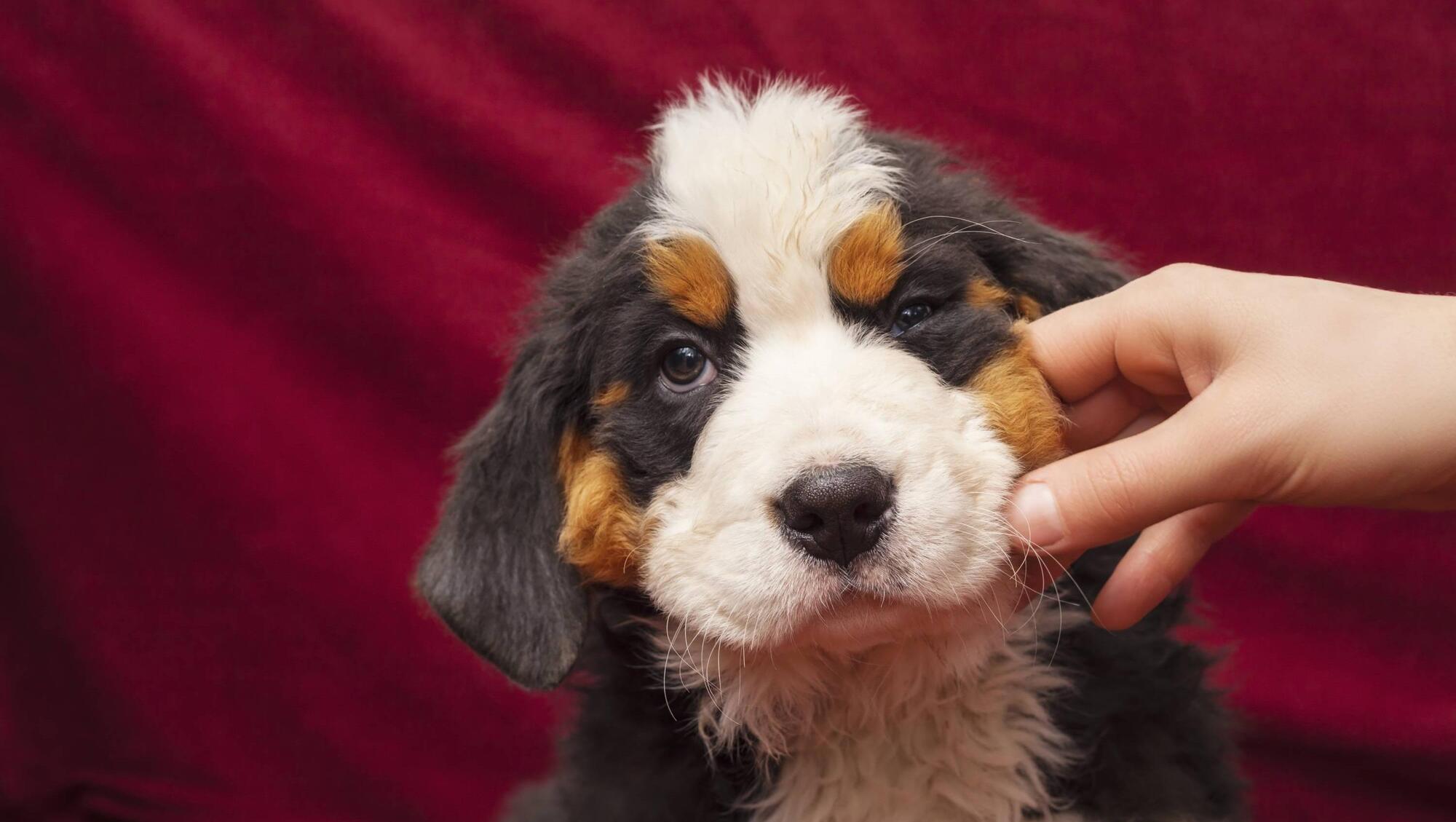
Pete the Vet: be careful about feeding your Bernese mountain dog puppy too many scraps from the table.


We have a Golden Retriever, she’s young, she’ll be one this summer. Our garden is destroyed! How do I stop her pee from rotting our grass? Can I adjust her diet, avoiding or adding any particular foods? 

- Nicola, Cork

The brown patches on grass lawns caused by dog urine are due to the fact that urine is high in nitrogen. While small amounts of nitrogen make grass grow quicker, too much is toxic, killing the grass. This is why it’s common to see dead, yellow patches of grass surrounded by lush green rings at the edges. There are numerous unproven methods that claim to solve this, from giving a dollop of tomato ketchup in the food every day, to proprietary “rocks” that you put in the dog’s water bowl. 

My own view is that if you can’t prevent your dog from urinating on the grass in the first place, the best answer to pollution is “dilution”. Keep a bucket of water handy, and if you see your dog piddling on the lawn, drench the area in fresh water.

We all have Covid in the house. My son is worried about petting our dog because he says he might make him sick. Can we give our dog Covid? 

- Rosie, Cork

Globally, there have been a tiny number of isolated cases of dogs in Covid positive households becoming unwell and testing positive for Covid. The chance of this happening to your dog is very slim indeed. I would tell your son not to worry about petting your dog: the benefits of companionship for the two of them far outweigh the tiny disease risk. 

However, when people are at the peak of infectivity (i.e. sick in bed with a high temperature), it makes sense to reduce contact with everyone, people and animals alike. This is a common-sense way of minimising the possible spread of any disease, even when the risk is already very low.

We recently got a new puppy, a Bernese Mountain Dog. At what age can I feed him some leftover food from the table? 

- Norma, Cork city

You can add a very small amount of scraps to his diet from an early age but you need to be careful. As a giant breed of dog, it’s important that you feed your puppy a diet that is nutritionally balanced, to encourage strong, even growth of bones, muscles and other tissues. Most nutrition-related diseases happen when people put together food for their pets by themselves, rather than using balanced diets prepared by professional veterinary nutritionists. 

It’s surprisingly difficult to create a balanced diet by guesswork. Assuming you are feeding him on a complete, dry, diet, designed for large breed puppies, he really doesn’t need anything else at all. While it’s generally safe to add around 10% of the total food intake as leftovers from the table, it’s better not to give any more than this quantity.

We made a deal with our children before we got our dog. No pets on the couch or the beds. This has, predictably enough, not happened and the kids sneak the dog into their bedrooms to sleep with them at night. They also kiss the dog on the face. 

I’m worried about hygiene and germs – we all know what dogs do with their tongues! Should I put my foot down? The kids love having the dog on their bed with them at night time, I don’t want to break their bond either.

- Delia, Co Kerry

This is about two areas: disease risk, and dog behaviour boundaries. As long as you deworm your dog regularly (eg once a month) and as long as there are no immunocompromised individuals in your home, the risk of a disease being passed on via a dog lick is very small. 

However, I am wary about people kissing dogs i.e. pushing their faces close to dogs’ faces. It can be difficult to “read” anxiety and tension in dogs, and many dogs dislike having a human face pushed close to them. If the warning signs of their discomfort are missed, they may snap, and a dog bite on the face can have very serious consequences. 

For this reason, it’s safest to have a rule that nobody “kisses” dogs in this way. As far as the “dogs on the furniture” issues go, it’s helpful for dogs to know what is, and what is not, allowed. If your dog has no behavioural issues, and fits in well with what’s happening, with no signs of stress, anxiety or aggression, then your current system of loose boundaries may be sufficient. 

If, however, your dog is having behavioural problems at all, you may need to review your children’s relaxed attitude, and consider imposing stricter rules.

I have a very intelligent collie mix. She stares at me all the time. What does this mean? 

- Deirdre, Co Limerick

Collies are highly visual dogs: they’ve been bred to herd sheep, using their eyes to carefully monitor the movements of the flock, intervening whenever needed to redirect any straying sheep. 

They are also intelligent, so if they are not given sufficient stimulation, they can become bored, and challenging behaviours can result (such as canine cognitive disorder, which can include Collies chasing shadows repetitively and obsessively). 

When your dog stares at you, this means that she is paying full attention, and there is no harm in this. However, I would take this as a reminder that she is brimming with mental and physical energy. 

You need to make sure that you are engaging her with enough interesting activities (such as chasing balls, playing with food-stuffed toys, going for walks). Preventing boredom is the best way to avoid behavioural problems.

Celebrating 25 years of health and wellbeing

More in this section

Lifestyle

Newsletter

The best food, health, entertainment and lifestyle content from the Irish Examiner, direct to your inbox.

Cookie Policy Privacy Policy Brand Safety FAQ Help Contact Us Terms and Conditions

© Examiner Echo Group Limited