Eating bread can help you lose weight — as long as it's high in fibre
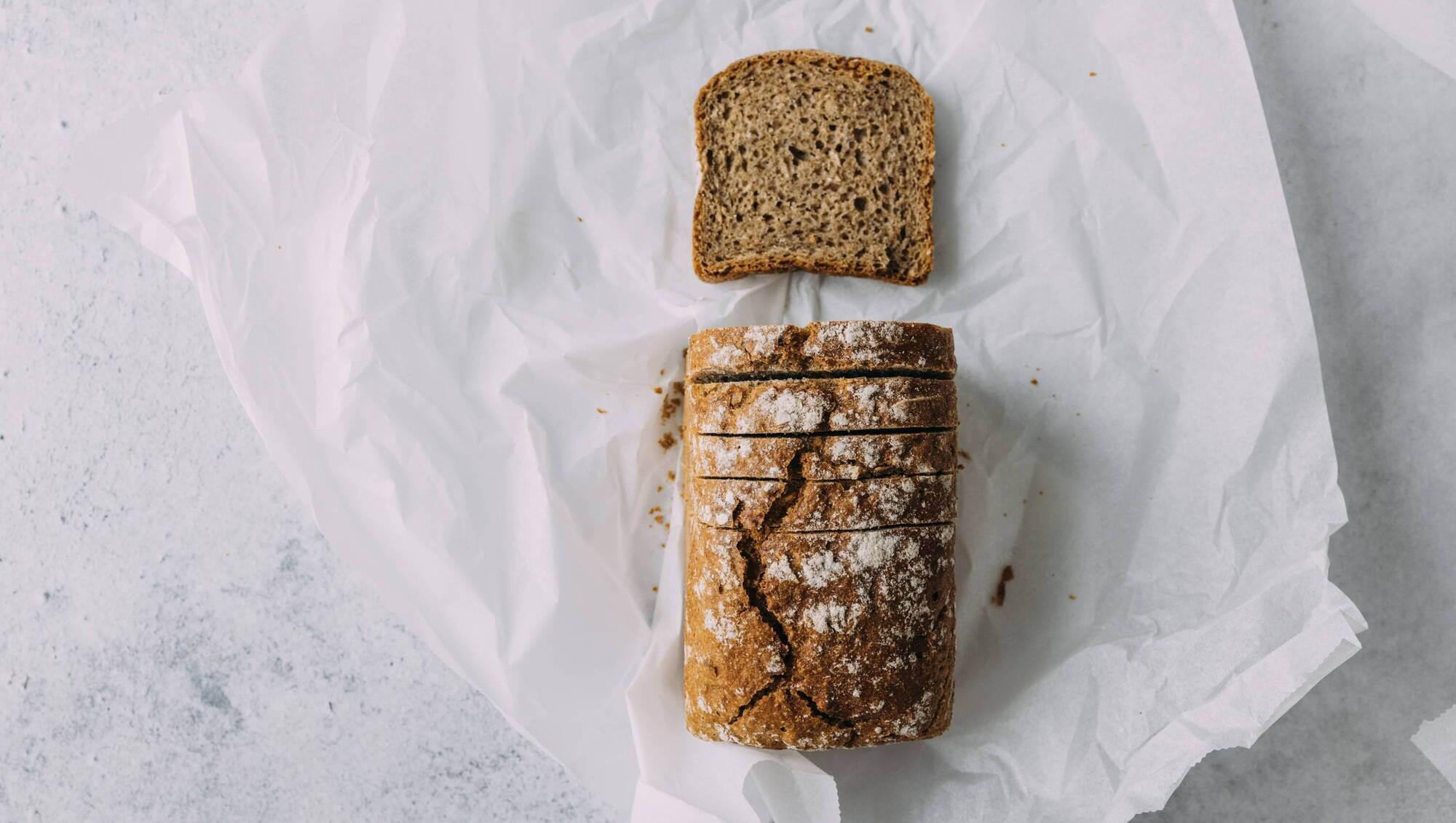
The trend for complete carb avoidance has significantly impacted our fibre intake.
For years bread has been blamed for piling on the pounds, outcast as a carb that is no good for the waistline. Yet new evidence suggests that — provided you use your loaf and select the right variety — bread is not only good for you but will help with weight loss. These welcome findings came from a study published recently in the journal Clinical Nutrition. Swedish researchers from the Chalmers University of Technology showed that substituting regular wheat with high fibre rye-based bread and cereals led to weight and body fat loss in a group of mostly middle-aged men and women.
Rikard Landberg, professor of food and health and lead author of the paper, asked half of his 242 overweight participants to eat a bowl of rye-based breakfast cereals, four to six slices of rye crispbread (think Ryvita) and 2-2.5 slices of soft rye bread every day while the others ate refined wheat versions with the same total calorie intakes. The critical difference was that the rye group “got about 30g of fibre a day compared to just 8 grams obtained by the others”, says Landberg. His goal was to determine how the switch affected their ability to shed pounds.
After 12 weeks, during which the participants were regularly weighed and examined, results showed that the high-fibre group had lost an average one 1kg more than the refined wheat group, an amount entirely attributable to extra fat loss. “Previous epidemiological studies have clearly shown that high-fibre foods in general are good for long-term weight management,” Landberg says. “But our study was the largest to look specifically at how high-fibre grain in the diet can affect body weight and body fat, and we have shown fibre to have an important and beneficial effect.”
There’s a growing consumer demand for high-fibre bread. Research carried out by SuperValu in 2021 showed that sales of healthier bread options, including chia seed loaves, increased by 20%, with 45% of respondents saying they purchase bread once a week.
“It’s a myth that bread is bad for us and automatically leads to weight gain,” says the Dublin based registered dietician and nutritionist Aveen Bannon.
Regular bread is actually low in calories with only about 80 per slice and if you select a high-fibre variety, such as wholegrain, rye and seeded breads, the higher fibre count brings many benefits for digestion and gut health.
While counterintuitive, it’s not an entirely new concept that high-fibre bread could even help you shed stubborn weight. Ever since the launch of Audrey Eyton’s F-Plan best-selling diet book of the 1980s, dieters have dabbled with fibre manipulation. I remember the book being a bible for my mother and her friends who feared low-fibre foods in the way we now fear carbs. Eyton advised readers to consume vast amounts of fibre for rapid and sustained weight loss. The approach achieved 5:2-like domination among aspirational dieters, and although the fibre trend was to drop off the radar, our heads turned by a succession of more fashionable dietary approaches, it is now back and with a broader scientific backing.
How it works
Quite how fibre works to blast body fat is intriguing. Some fibres are known to increase in volume, becoming gel-like in the stomach and boosting the feeling of fullness. This ‘satiety effect’ means that if we eat enough fibre, we are generally less inclined to snack and binge as hunger pangs diminish.
“We also know that fibre entraps some of the energy or calories we consume from food, particularly fat, and makes it unavailable for absorption by the body,” Landberg says. “We have shown in some of our other studies that more fat from food is excreted when rye fibre is consumed.”
Then there’s how fibre feeds our gut bacteria and works with the microbiome, the vast ecosystem of yeasts, bacteria, fungi and viruses that inhabit the digestive system.
“My message is to try to eat as much fibre as you can tolerate in your diet,” says Professor John Cryan, from APC Microbiome Ireland at University College Cork. “The microbiome is a vehicle and it requires fuel in the form of food we eat — eating more wholegrains and green vegetables are a great way to provide that necessary fuel.”
Studies have shown how a low-fibre diet causes chronic gut inflammation that interferes with the way we digest and use calories from our food, causing our bodies to store more excess calories as fat.
In a paper from the University of Gothenburg in Sweden, researchers studied the effects in mice that had their diets switched from high in fibre to typically western-style low-fibre fare. After just three to seven days of eating the low-fibre foods, the mice developed gut problems.
After several weeks of eating low-fibre foods, their blood-sugar levels spiked, and they began to lay down more body fat. It’s feasible, said the researchers, that the effects are “translatable to humans”.
Increasing fibre intake can trigger gut bacteria to produce metabolites that affect how full we feel and even boost metabolism. A high-fibre diet might further suppress appetite by sending signals from the gut to the brain to tell it that you’re feeling full.
“We don’t yet have the full picture, but in our study we could see that certain bacteria were present to a greater extent after participants ate the higher fibre foods,” Landberg says. “Those bacteria are known to produce short-chain fatty acids, such as butyrate which is a signalling molecule for increased satiety.”
It’s tantalising to think that we could ward off creeping weight gain by increasing our bread intake. Landberg says he has no intention of easing up on his habit of eating rye crispbreads as snacks. “So far, I have not gained any weight, so I’ll carry on,” he says.
His advice is we all find our own fibre-fillers. “If fibre intake could be increased by everyone, I am sure it would have a beneficial effect on body weight.”
How do we know we are getting enough?
National guidelines recommend a daily intake of 24 – 35g of fibre to keep our digestive system working at its best. However, according to the Irish Nutrition and Dietetic Institute, almost 80% of Irish adults do not eat enough fibre.
You can start by checking food labels and tallying fibre counts using a tracker.
Eat whole fruit and veg, not smoothies and soups
Thomas Barber, associate professor and honorary consultant endocrinologist at the University of Warwick, a leading researcher on the effects of fibre, says a high intake of processed foods hasn’t helped our declining intake. But neither have dietary trends such as pulverising fruit and vegetables into smoothies and juices or blending soups until smooth is not beneficial either. They provide fibre to our bodies in a different, less effective format than a whole fruit or vegetable.
“Consuming food as close to its natural state is the best way to get more fibre,” Barber says. “In general, that means minimally processed food and whole fruit and vegetables.”
The more processed a food, the less fibre it likely contains
In a study that looked at processed foods, researchers at the University of Otago found not all fibre foods are created equal. Although wholegrains are an important source of fibre, their benefits may be diluted when heavily processed, reported Professor Jim Mann from the Department of Medicine and a lead author on the paper.
Participants with Type 2 diabetes were asked to consume minimally-processed wholegrain foods such as oats and chunky grainy bread for two weeks, then more processed wholegrain foods such as instant oats and wholemeal bread for another fortnight. Results showed improved blood sugar levels after meals and throughout the day when participants consumed the minimally processed whole grains.
“Wholegrain foods are now widely perceived to be beneficial, but increasingly some wholegrain products available on the supermarket shelves are ultra-processed,” says Professor Mann.
He also found that participants’ weight increased slightly after two weeks of eating processed wholegrains and decreased slightly after eating minimally processed whole grains.
We are beginning to understand that when you mill wholegrains you remove some of the benefits.
Don’t cut carbs completely
The trend for complete carb avoidance has significantly impacted our fibre intake.
“Many carb-containing foods are rich in fibre, so by cutting out things like bread and cereals, we are potentially losing a major source of it in our diets,” Barber says. “The key is to look for wholegrain versions of these products and to avoid the highly processed variety.”
What's the best source of fibre?
Choose rye, spelt and buckwheat or breads with added seeds, grains such as bulgur, spelt, pearl barley, quinoa, teff, buckwheat, brown rice and oatmeal.
Fibre is the part of plant-based food that mostly passes through the stomach and small intestine without being digested. Fruit and vegetables are the obvious sources, but wholegrain bread and cereals, porridge oats, figs, nuts and seeds, peas, beans and lentils are all good fibre providers.
The best sources include:
- Chia seeds 38g of fibre per 100g
- Broad beans 6.8g
- Cannellini beans 5.7g
- Raspberries 6.5g
- Avocados 5.9g
- Dark rye crispbread 15.2g
- High-bran bread 7.7g
- Multigrain bread 6.5g
- Seeded wholemeal 6.2g
- Wholemeal bread 5.8g
- Linseeds 27.3g
- Hazelnuts 6.5g
- Peanuts 6.3g
- Almonds 5.6g
- Wholemeal spaghetti 4.5g
- Black rice 2.8g
- Kidney beans 5.5g
- Chickpeas 4.6g
- Baked beans 3.7g
- Marrowfat peas 3.7g
- Carrots 2.7g
- Broccoli 2.3g
- Cabbage 1.9g
CONNECT WITH US TODAY
Be the first to know the latest news and updates