Pete the Vet: How to know if your pet could have asthma
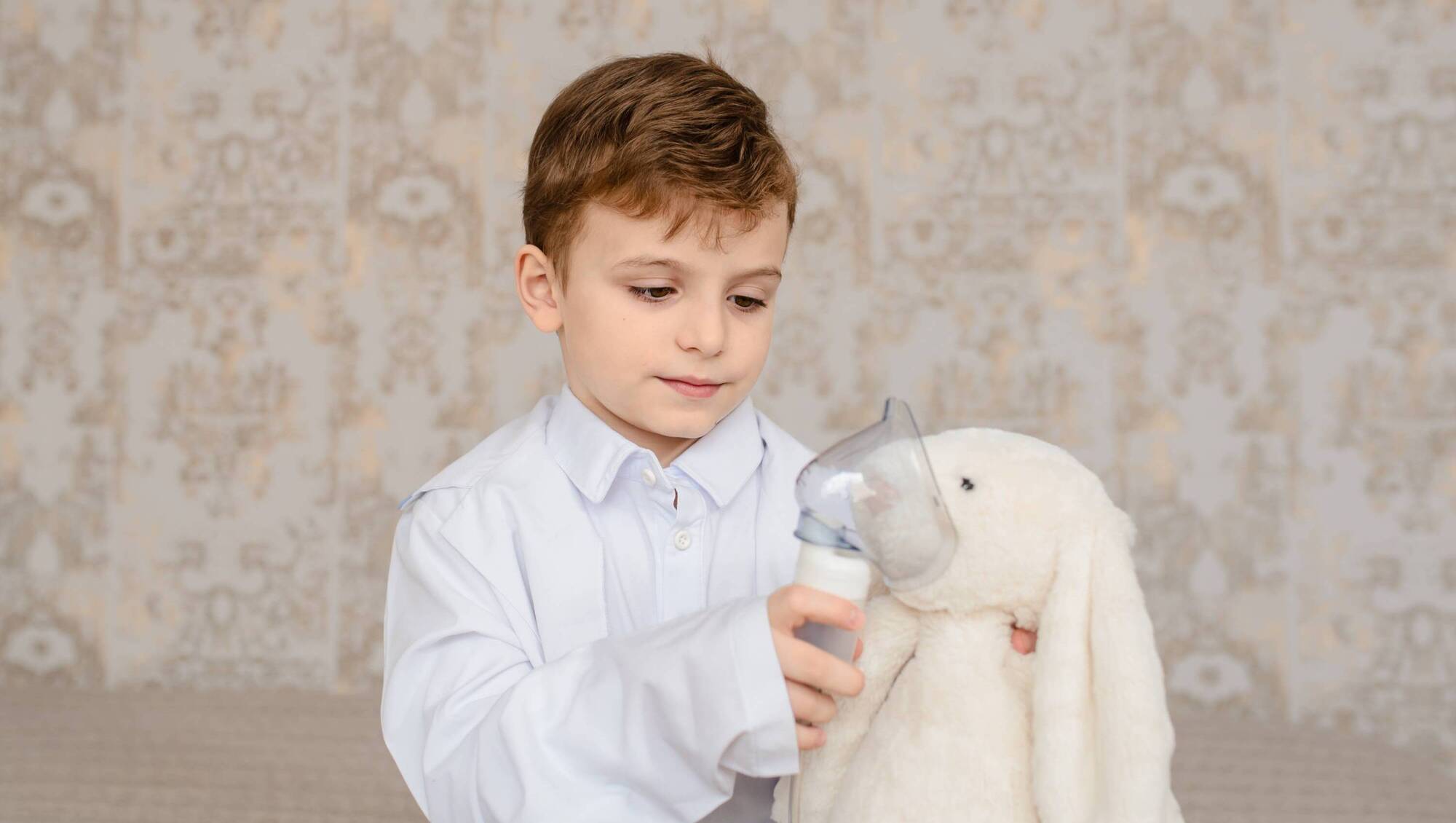
Pete the Vet: Asthma is seen in dogs and cats, caused by an allergic reaction to inhaled allergens from the surrounding environment. Pets tend to cough, rather than to have a human-type breathlessness, but treatment is similar: oral medication combined with inhaled drugs, given to the pet via an inhaler.
Jackson, a three year old ginger cat, and Pedro, an eleven year old terrier, had both started to cough every day. The two animals were suffering from lung diseases with different underlying causes. My job as a vet was to find out what was going on for each animal, so that they could be helped back towards normal health.
Animals’ bodies, just like human bodies, are remarkable. The lungs are an obvious example of seamless functionality: animals breathe in oxygen, and breathe out carbon dioxide. The body is supplied with as much oxygen as the tissues need to function, and the right amount of carbon dioxide waste is removed to stop it from accumulating in toxic levels.
Animals breathe faster when more oxygen is needed, such as during exercise, and more slowly when their bodies are less active, such as while sleeping at night time.
Normal, healthy lungs carry out a remarkable job of keeping the balance of gases just right.
But what about when the lungs are diseased? What can go wrong with the lungs, and what signs are seen? There are many parallels with humans: pets suffer from most of types of human lung disease, with a few extra pet-only ones as well.
Diagnosis of lung disease is usually a process of careful investigation, starting with a physical examination (including auscultation, or careful listening with a stethoscope) followed by blood tests, x-rays, ultrasound examination and these days, advanced imaging, such as endoscopy, CT and MRI scans.
The most common pet-only issue, often seen by vets, is the lungworm. This is picked up when pets eat slugs and snails (molluscs), and they often do this without their owners noticing. When a dog or cat chews grass in the garden, they can easily swallow small molluscs that are attached to the grass blades. Or if a food bowl is outside, slugs often slither onto it, and are then eaten by pets as they scoff their dinner. Once a mollusc enters the digestive system, the lungworm larvae inside them hatch out in the animals’ intestines, passing through the intestinal wall into the bloodstream. They then travel around the body, lodging in the blood vessels in the chest before emerging into the lung tissue. They develop here, laying eggs or larvae that are coughed up, swallowed by the pet and passed into their faeces. These are then consumed in the environment by slugs and snails, and the life cycle continues.
Lungworm classically causes coughing by irritating the airways, and if this happens, effective treatment can be given with a prescription-only wormer. However, in dogs, there is another silent problem caused by lungworm: the parasite stops the blood from clotting effectively. This makes infected dogs prone to sudden, spontaneous internal bleeding, which can be fatal. The classic example is a young healthy adult dog who may be found dead, without any warning. It’s only when an autopsy examination is carried out that the cause of death is identified as a brain haemorrhage, and the dog is found to have evidence of ongoing lungworm infection. This does not happen often, but if a family pet dies like this, the emotional impact can be immense. For this reason, vets in Ireland generally recommend that all dogs at risk (and that means most dogs, if they have access to gardens) should be given a once monthly treatment that covers lungworm. When this is done, the risk of this particularly dangerous type of lung disease is eliminated.
Asthma is seen in dogs and cats, caused by an allergic reaction to inhaled allergens from the surrounding environment. Pets tend to cough, rather than to have a human-type breathlessness, but treatment is similar: oral medication combined with inhaled drugs, given to the pet via an inhaler. Dogs and cats won’t close their lips around an inhaler tube and breathe in, so they need to be given these drugs via flexible plastic and silicon masks that are placed over their faces. While they breathe in, the human-type aerosol inhaler is pressed, filling the mask with a cloud of drugs which are then breathed in by the animal. It takes a while for a pet to learn to accept this type of treatment, but it’s very effective.
Inhaled foreign bodies are a rare cause of coughing in humans, with children being more affected than adults. Perhaps it is not surprising that pets inhale objects too. They don’t know about the risk of having a small object in their mouth while breathing in heavily. From small pebbles to grass seeds, if small objects enter the lungs via the airways, the only answer is to physically remove them, using a narrow fibre-optic endoscope.
Lung cancer is seen in older pets, just as in older people. Often this is secondary to cancer elsewhere in the body: the lungs are like sponge filters that trap cancer cells circulating in the blood. Lung cancer is not easy to treat: palliative care, just keeping the animal comfortable to the end, is often the only option.
By the way, Jackson the ginger cat has asthma, and Pedro the terrier had lungworm: both were cured completely once the diagnosis had been made, and the right treatment had been given. Their wonderful, air-filled lungs resumed their normal, easy, effective functioning, with no more coughing and no more discomfort.
CONNECT WITH US TODAY



Be the first to know the latest news and updates