Skin deep: Microbiome research finds new treatments for acne and eczema
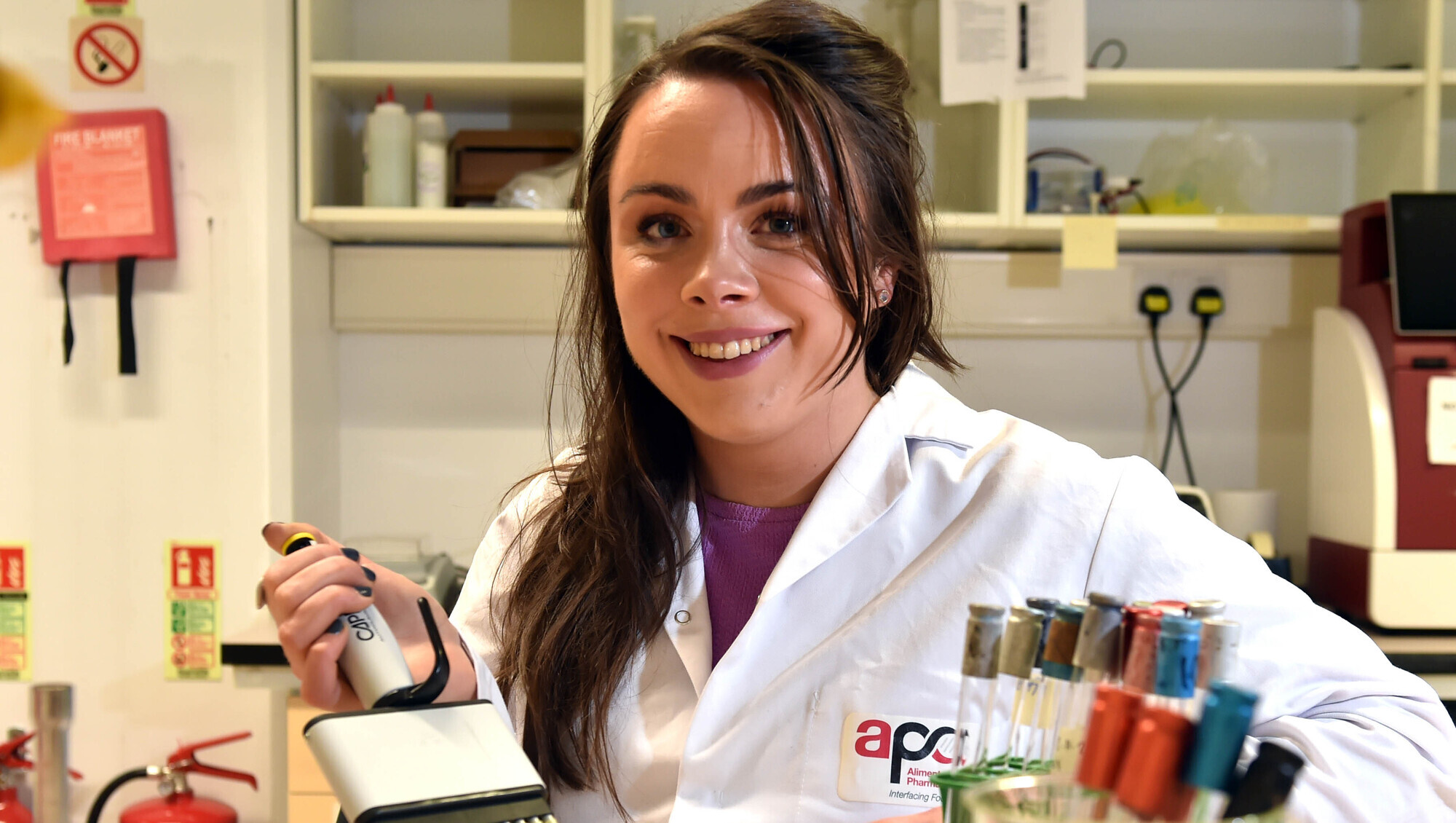
A UCC-based researcher is exploring the link between the skin microbiome and gut to find new treatments for chronic skin conditions such as eczema and acne
Dr Julie O'Sullivan, a researcher at the UCC's APC centre with her area of interest is the gut-skin microbiome. Picture: Eddie O'Hare

Dr Julie O'Sullivan, a researcher at the UCC's APC centre with her area of interest is the gut-skin microbiome. Picture: Eddie O'Hare

In recent years, there has been a growing awareness of the role that the gut plays in our overall health and the importance of the microorganisms that reside there. Known as the microbiome, this collection of bacteria, viruses and fungi all work together to help us to stay healthy. However, the microbiome is not only found in the intestines but also on our largest organ — the skin. It serves as a shield against all kinds of external factors, including sun damage and pollution, and any imbalance can result in inflammation.

Dr Julie O’Sullivan is a post-doctoral researcher at APC Microbiome Ireland, an SFI-funded research centre based at UCC and Teagasc, Moorepark, which has been at the forefront of research on the gut microbiome. She is exploring the link between the skin microbiome and its connection with the gut, known as the gut-skin axis, and its effects on skin conditions such as eczema and acne. Her work centres on antimicrobial-producing proteins, also known as bacteriocins, which are found within the human skin microbiome.


“Our skin is our first line of defence against the outside world and it is covered in millions of micro-organisms, some of which naturally produce these anti-microbial peptides which act like protein missiles, killing off bad bacteria,” says O’Sullivan.

These peptides could be a viable alternative to antibiotics in treating common but often distressing skin conditions.

“Diversity and balance of bacterial communities are vital for skin health. Many skin conditions are a result of imbalances occurring within the microbiota." 

Alternative to antibiotics

O'Sullivan's current research is focused on eczema and acne.  "Atopic dermatitis (eczema) is a common chronic inflammatory disease — one in five children and one in ten adults in Ireland will get it. The condition is often associated with an overabundance of staphylococcus aureus. Acne can also be caused by an overabundance of cutibacterium acnes, a skin pathogenic bacteria. More than 80% of people aged between 11 and 30 will experience some form of it during their lives. 

"Current therapies are antibiotics, retinoids and steroids, which all contribute to anti-microbial resistance and adverse reactions respectively. Antibiotics are not a targeted therapy and they wipe out entire communities of bacteria while these protein missiles are more specific and cause less disruption.” 

The World Health Organisation estimates anti-microbial resistance will be the cause of 10 million deaths a year by 2050, and O’Sullivan says the discovery of alternative therapies is vital.

“This is a huge opportunity to develop products that will prevent the relapse of these skin infections with natural microbial solutions.” 

Our microbiome is at work even before we enter the world. “Gut microbiota begins to form the moment you are born when you are coated with your mother’s microbes. The microbes you are coated with vary according to whether you are born via the birth canal or via C-section. The microbes that initially colonise the baby’s skin are profoundly involved in the make-up of the GI tract.” 

O’Sullivan says that in terms of skincare, what we take in can be just as important as what we put on.

“At some stage in our lives, we have all had spots — some are affected more than others and scientists are now thinking this may be a result of inflammation and imbalance in our gut’s bacteria. In some cases, that can come down to diet, eating too much sugary and fatty foods. Our intestines become overloaded, it’s called intestinal barrier overload or a leaky gut, which can lead to skin inflammation. 

"There are also different supplements that are equally, if not more important, in improving your skin health — for example, Omega 3s and vitamins A,C and E. By treating the gut, you can actually improve skin texture and quality.” 

Personalised skincare products

There is increasing interest in the beauty industry in developing microbiome-friendly products, with companies including L’Oreal investing in research and development. Some practitioners are already offering personalised skincare in which people are sent a swabbing kit to ascertain what kind of microbes or bacteria they have on their skin. O’Sullivan mentions Dr Elsa Jungman, a US-based scientist who began her career working in R&D for L’Oréal. According to Jungman, current skincare routines have us using more products than ever, yet statistically, our skin has never felt worse, with more than half of women reporting experiences with skin sensitivity.

“In 2016, I presented at a conference in Paris, and when personalised skincare was mentioned, there was such a mixed reaction but now, there is a growing consensus that personalised skincare is the way things are going,” says O’Sullivan.

She is undertaking a significant new study this year and hopes her research will eventually be manifested in targeted skincare products that will be available to consumers — she recently completed a business bootcamp and is in discussions with industry to make her dreams a reality.

“I’m hoping the peptides/proteins in the bacteria I have isolated during our work at APC will eventually be included in products and be alternatives to antibiotics which cause collateral damage to our microbiomes. Some of them can work as preservatives as well — preservatives are important as you need shelf life in products, people won’t buy products that are going to go off in a week. If we could use these proteins as preservatives, and incorporate them in a topical cream that could help people with eczema and acne, that is our number one goal.”

Top skincare tips

In terms of a skincare routine, Dr Julie O’Sullivan recommends always using an SPF to protect against sun damage, and also talking to a qualified esthetician, whose focus is on skin health.

“Instead of going out and buying a load of products that might not necessarily work, it is better to talk to someone, it can be done online and they can advise products that are within your budget. I would recommend investing in your skin because it is our largest organ and we often forget that.”

She says one product to avoid is a facial scrub.

“You are taking the cells off the top layer of your skin, which protect the baby skin cells underneath. It is like putting sandpaper on your skin. We must mind our microbes. Using gentle vitamin C enzymatic peels is the best way to remove those dead skin cells — or a product that contains lactic acid bacteria, which is a gentle exfoliant.

“Some people say you don’t have to cleanse your skin every day, it really depends on what you use. I use the Skingredients Pre-Pro cleanser, which is a very gentle light cleanser or a vitamin C cleanser from Image.

“Also, make sure your skin is full of vitamins A, C, and E — although anyone who is pregnant needs to be careful with certain vitamins.

“I don’t use a cream-based moisturiser, I use a vitamin A, C and E facial oil. Some people prefer the texture of a moisturiser, but there are creams with those vitamins in them too. I use the facial oil after a serum every day.”

More in this section

Lifestyle

Newsletter

Eat better, live well and stay inspired with the Irish Examiner’s food, health, entertainment, travel and lifestyle coverage. Delivered to your inbox every Friday morning.

Cookie Policy Privacy Policy Brand Safety FAQ Help Contact Us Terms and Conditions

© Examiner Echo Group Limited