5 steps to reduce Covid-anxiety as cases climb
If you are feeling anxious, afraid, or overwhelmed, you’re not alone. Picture: Pexels
With daily Covid cases in the thousands and some workers returning to remote working just weeks after the long-awaited return to the office, it may feel like we are headed for another hard Winter. If you are feeling anxious, afraid, or overwhelmed, you’re not alone. But while you can’t control rising case numbers or the measures implemented by the Government to curb the spread of the disease, you can control your own mindset and behaviour.
Here are five tips that may help to quell that sense of unease and uncertainty.
It’s been more than a year and a half since Ireland recorded its first Covid-19 case, and maybe in and around the same period since we last went on Twitter or Facebook and actually left feeling better about the world. Doom-scrolling, or the compulsion to keep refreshing your social media feeds even though the content is saddening, disheartening, or depressing is something many people have struggled with since the onset of the pandemic and its wrecking havoc with our happiness and well-being. If this is something you’ve found yourself doing despite knowing it’s getting you down, it might be time to take a step back. Why not try putting your phone on airplane mode in the evenings to give yourself some headspace or try putting your phone away entirely this weekend? columnist and family therapist Richard Hogan did exactly that last month and admits it was “a relief". It might be time to unfollow some of those armchair epidemiologists too.
A recent study in Britain found that less than five minutes of scrolling through social media posts of bad news about Covid-19 is enough to lower a person’s mood. While most of us were understandably glued to our screens in the initial months of the pandemic as rules constantly changed and pandemic restrictions were lifted and then reintroduced, if the news is still negatively affecting your mood on a daily basis it might be time to limit your exposure to it. Why not try giving yourself a set time each day to consume the news online or comb through a daily newspaper? You can sign up to newsletters from the such as our Lunchtime News Wrap for a summary of the news at 1pm every day which might help you feel informed without feeling overwhelmed. If you want to avoid Covid-19 altogether, try our Revoiced Newsletter, a Covid-free newsletter with some of the best bits from irishexaminer.com, as chosen by our editor, direct to your inbox every Monday. You can sign-up to our newsletters here.
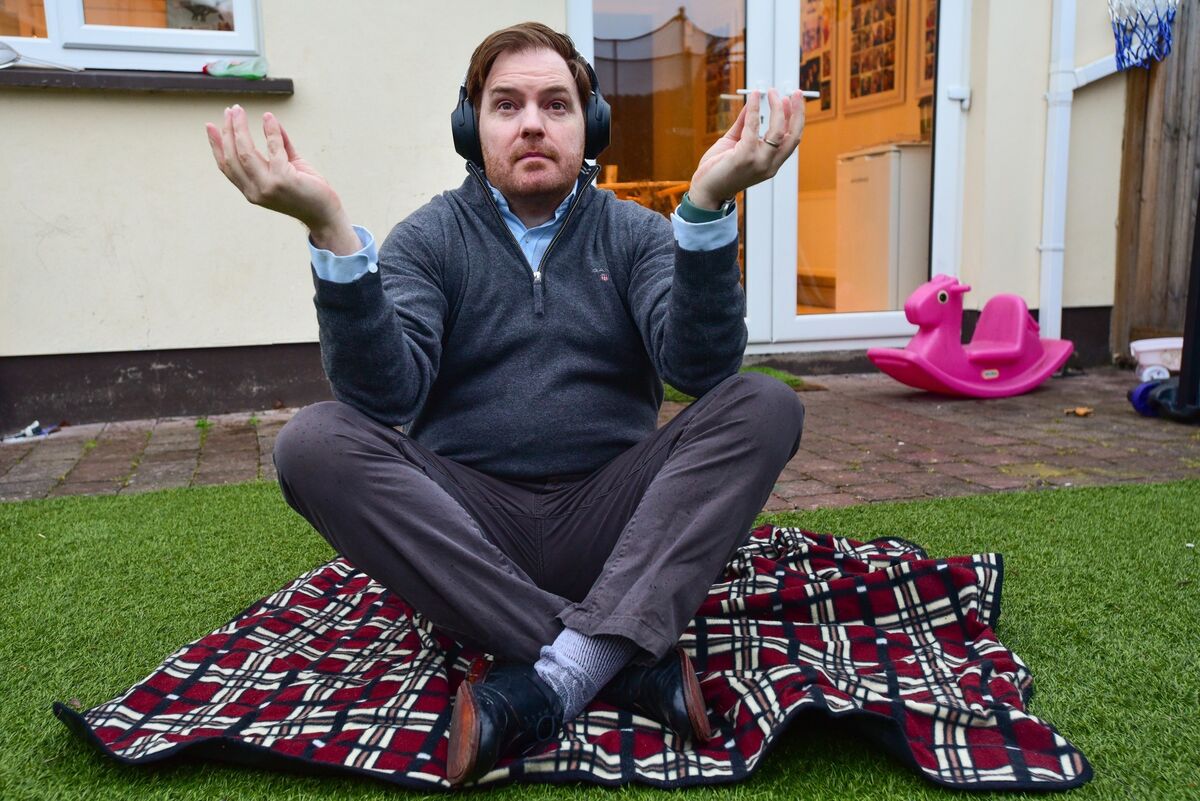
Hey! We see you skimming over this one, but really, this is not something you should roll your eyes at. If you’re suspicious of the ‘cult of mindfulness,’ as our columnist Bernard O’Shea put it, we hear you, but even he now admits it’s changed his life for the better — maybe, just maybe, it can do the same for you? You don’t need to spend hours at the foot of a temple chanting ‘Ommm’ to meditate. Breathe in through your nose for four seconds, hold the breath for a count of seven, now exhale through your mouth for 8 seconds. There! You practiced mindful breathing — and it was nice wasn't it? Try downloading apps like Calm, Headspace and Insight Timer and practice guided meditations. Start with five minutes, or even less if that’s challenging, and build your way up to 20 or more minutes a day.
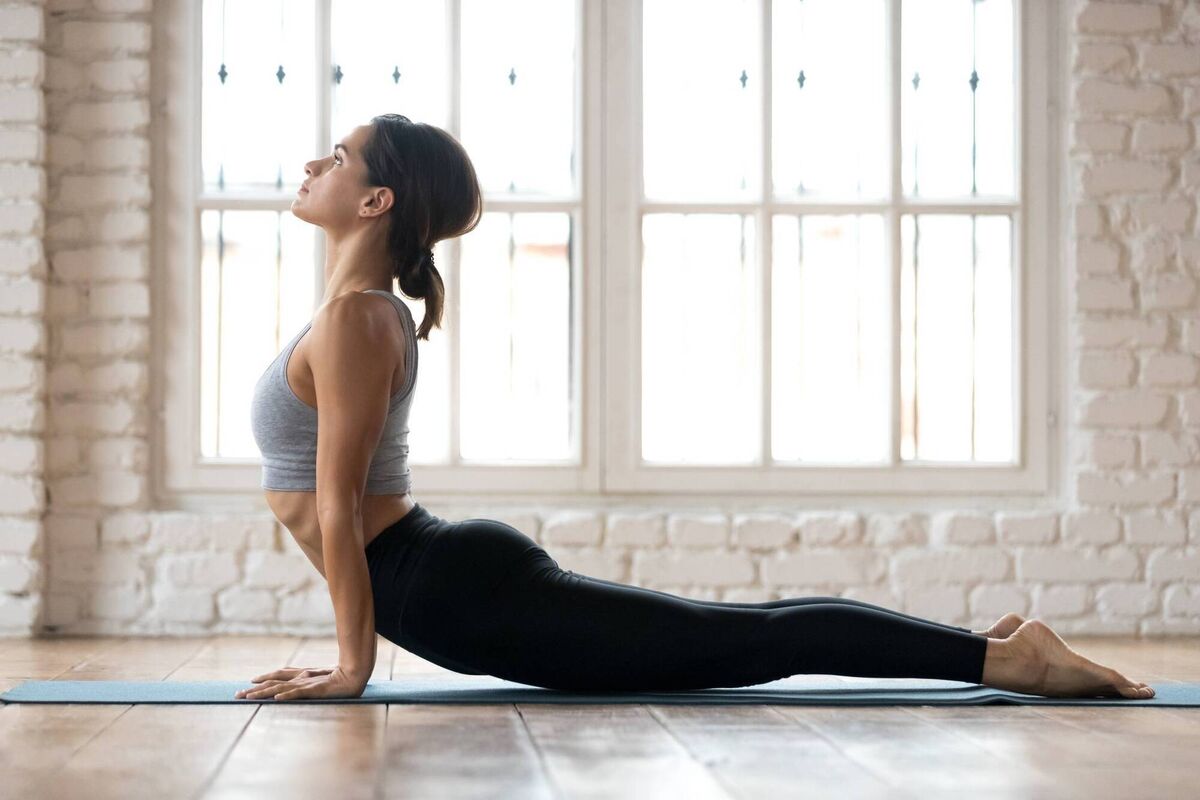
Maintaining physical fitness isn’t just crucial for physical well-being, it’s also an effective antidote to anxiety. And that doesn’t mean you need to sweat it out in the gym every day, a simple 20-minute walk in the fresh air will do you the world of good. Yoga is a particularly popular choice for those of us struggling with stress and anxiety, and there’s no excuse not to give it a go at home with hundreds of free resources online. Here’s one from Yoga with Adriene on YouTube to get you started.If you’re already making excuses as to why you can’t fit some fitness in to your week read this.
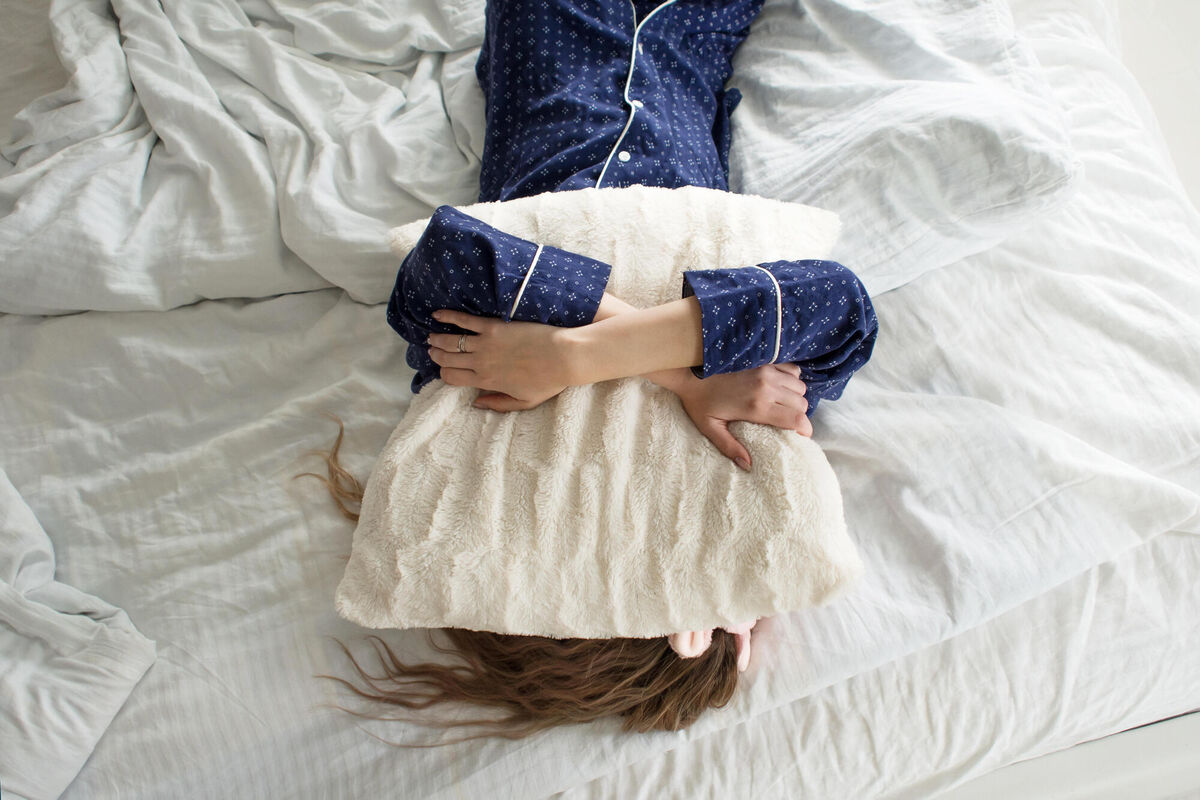
If you’ve found yourself struggling to nod off in recent weeks, or since the onset of the pandemic you aren’t alone The phenomenon of Covid-induced sleeplessness has even been given a name: Coronasomia. In addition to practicing the above tips — which will all help with sleep — a crucial part of good sleep 'hygiene' is having a bedtime routine. Yep, that’s right. A bedtime routine with a warm bath, a comforting bedtime story, and dimmed lights shouldn’t just be reserved for the little ones, it can really benefit all of us. Why not try falling asleep to a bedtime story read by Niall Horan or Cillian Murphy. We’re sure their lilting tones will send you right off.
For more advice on how to calm your nerves when the world seems topsy turvy, we asked a psychotherapist, psychologist and GP how they deal with anxiety — find their tips here.
CONNECT WITH US TODAY



Be the first to know the latest news and updates