Long Covid: A rollercoaster of recovery and relapse since contracting the virus
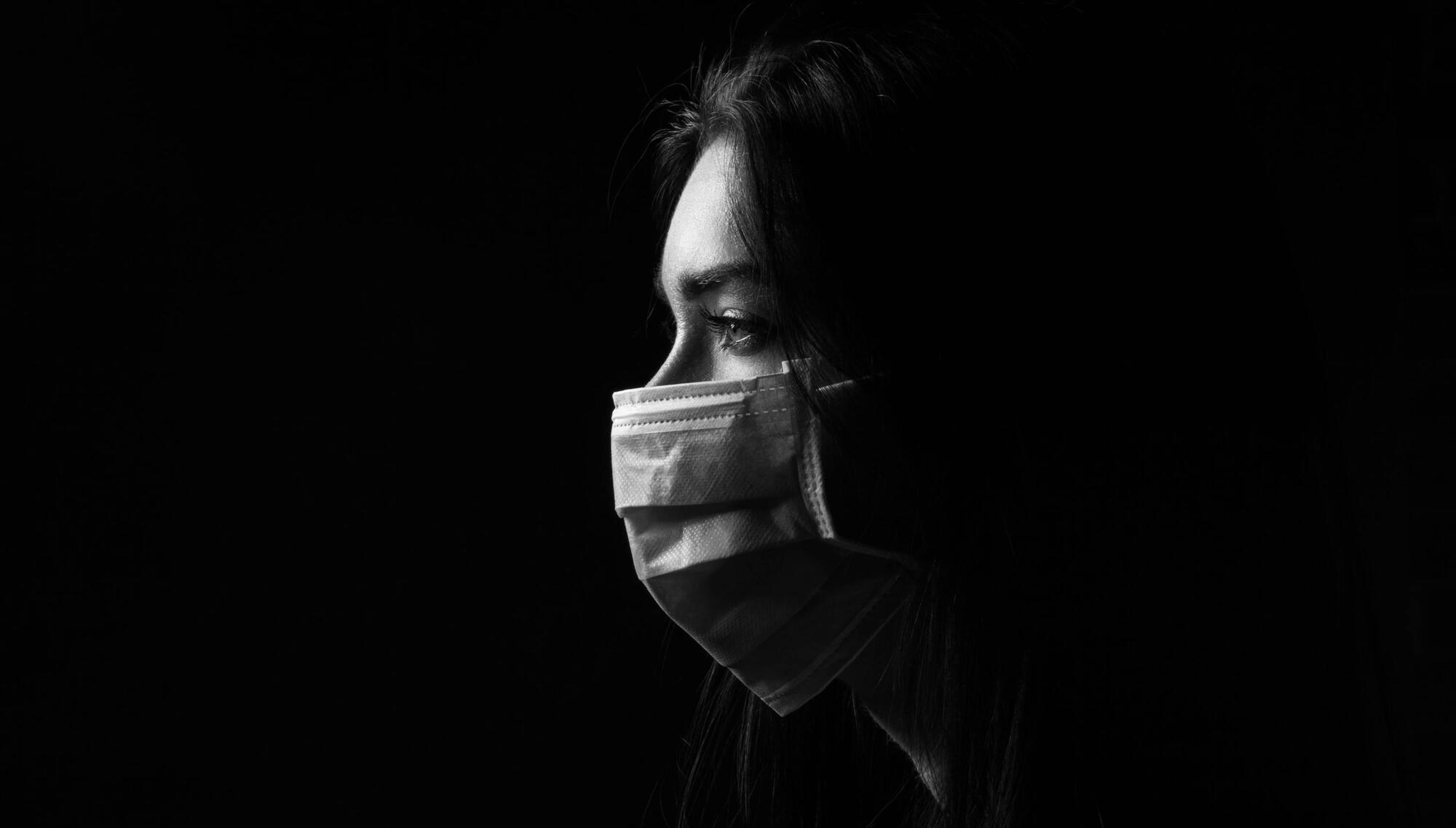
Patient groups are critical of the lack of coordinated services for those with long Covid. However, academic researchers and independent medical organisations have recently stepped in to offer support
Christmas 2020 is one that many people won’t forget, for obvious reasons, but for Tanja Buwalda, the effects of long Covid made the festive season even more unbearable. The 46-year-old mother of two, from Crosshaven, County Cork, was suffering chest pain, breathlessness, debilitating migraines and extreme fatigue having contracted Covid while working abroad in March 2020.
“We were trying to make Christmas interesting and fun but it was so hard for the kids because we couldn’t see anyone in the family…my daughter said, ‘Mom, you’re always tired, it’s OK we’ll do our own thing, you just stay in bed’.
Her voice breaks as she recounts the emotional toll that the lingering effect of Covid has taken on her and her family.
Buwalda’s experience is echoed by that of thousands of people across Ireland who, in the absence of official sources of information, have gone online to seek support in regard to the persisting effects of Covid. They say they are continuing to struggle to receive proper treatment and care and are calling for increased awareness of the condition and more support for those affected.
Long Covid is the term used to describe the effects of Covid-19 that continue for weeks or months beyond the initial illness. While there is a dearth of information on the condition on the HSE website, the National Institute for Health and Care Excellence (NICE) in Britain defines long Covid as lasting for more than 12 weeks.
According to the WHO, one in every 10 patients infected with Covid-19 incurs long-term effects. However, some estimates put the occurrence of long Covid at anything up to 30% of cases. According to the NHS, the chances of having long-term symptoms does not seem to be linked to how ill you are when you first get Covid-19, and people who had mild symptoms at first can still have long-term problems.
While patient groups have criticised the lack of an overarching approach from the HSE to long Covid, there have been moves recently to address the issue by academic researchers and independent medical organisations. Among these is APC Microbiome Ireland SFI research centre at UCC, which, with Teagasc, recently hosted a webinar on exploring ways of harnessing the patient experience to help inform clinical practice and research. APC is also involved in a planned survey of long Covid.
According to Buwalda, a representative of Long Covid Ireland Support Group, data and research are crucial in terms of managing the health service’s approach to the condition.“If you don’t understand the extent of it, you can’t then allocate services.”
She has joined the multi-disciplinary team of researchers from UCC, led by Professor of Immunology at UCC and principal investigator in APC, Liam O’Mahony, and Dr Corinna Sadlier, consultant in infectious diseases at Cork University Hospital, to launch the online questionnaire to investigate long Covid in the Irish population. O’Mahony is leading a team whose early research findings suggest an over-active immune response may be one of the reasons why some patients develop long-term post-Covid symptoms.
“Our research at APC Microbiome Ireland SFI Research Centre is showing that SARS-CoV-2 infection not only impacts the lungs, but also influences other body systems such as the digestive system, cardiovascular system, nervous system and immune system. Understanding the basic mechanisms for how viral infection results in this wide range of detrimental effects will be key to us understanding the biology behind long Covid, and will hopefully provide us new insights for therapy and future prevention,” says O’Mahony.
Buwalda believes that tackling long Covid requires patients to be treated holistically rather than siloing them according to different symptoms.
“A lot of doctors are treating symptoms, for example, prescribing medication for migraine or depression, not the underlying cause. This is a complex post-viral condition, this isn’t just ‘take a pill’, this is about looking at the entire individual. That kind of medicine typically is very in-depth, based around holistic thinking and that is not the kind of medicine the HSE practises.”

In terms of treating patients, people with long Covid say more dedicated clinics are required, with lengthy waiting lists for the ones already in existence.
Joining the call for more fully-resourced long Covid clinics to provide more equitable access to treatment is the Irish Society of Chartered Physiotherapists (ISCP). It is concerned about large parts of the country that are not covered by any clinics and says dedicated and consistent care is urgently required for people whose lives have come to a halt because of the condition.
It recently launched a long Covid hub to provide support and information for people suffering with acute and ongoing symptoms of Covid-19 as well as their families, carers and the general public. It says respiratory specialists are treating people aged from 16 up to 88, with fatigue and breathlessness the top two issues being treated.
“Long Covid is episodic, unpredictable, relapsing, relenting and very much complex as it can strike again even after the 12 weeks so it's important there’s ongoing access to clinics even after recovery from initial Covid symptoms which can arise at any time,” says Esther Mary D’Arcy, professional adviser to the ISCP.
She adds that treating long Covid as early as possible is key to avoiding serious health implications. “Early investigation means better management of symptoms long-term, one of which is the potential for organ impairment if long Covid is not recognised or checked for and appropriately managed.”
The ISCP Post-COVID Rehabilitation Guide can be accessed at www.askthephysio.ie.
Another key requirement from patient advocacy groups is the training of healthcare professionals in managing long Covid. “We are operating in a vacuum and it is down to individual GPs to read up on this and figure it out themselves, which is a waste of their time,” says Buwalda.
One initiative which aims to address this is a Post Covid Syndrome Rehabilitation course module at DCU, which will help healthcare professionals identify symptoms and encourage early intervention.
For Buwalda, such cross-disciplinary initiatives represent hope for the future treatment of long Covid, which has had a significant impact on her life. While her condition has improved, she says she will continue to advocate for others who are affected.
“I am well able to advocate for myself in a normal situation, but when I was sick, I wasn’t. My story is mild in comparison to what some people have gone through.
"There is hope that we are coming together and that we are going to start tackling this. It’s not about throwing money at it, it is about fundamentally changing the way we think about illness and how we view the patient as a whole, and not just a collection of symptoms. That could be a real benefit that comes out of it.”
To participate in a long Covid research study, see: apc.ucc.ie/lcsurvey.
For support, see: exa.mn/Long-Covid-Ireland-Support-Group
While some lingering symptoms of Covid, such as loss of smell and/or taste, are well-known, other Covid patients have reported experiencing a wide range of symptoms long after their initial infection.
The Long Covid Ireland advocacy group compiled a list of symptoms based on information from its members, which featured some of the following:
- Heart Palpitations
- Vertigo
- Nerve pain/ tingling/numbness
- Headaches/Migraine
- Constipation
- Diarrhoea
- Nausea
- Abdominal pain
- Acid reflux/heartburn
- Brain Fog
- Racing thoughts
- Laryngitis
- Lump in throat
- Sinus pain/other sinus issues
- Tinnitus
- Hair loss
- Swollen feet/hands
- Bleeding gums