Safety first for young cyclists
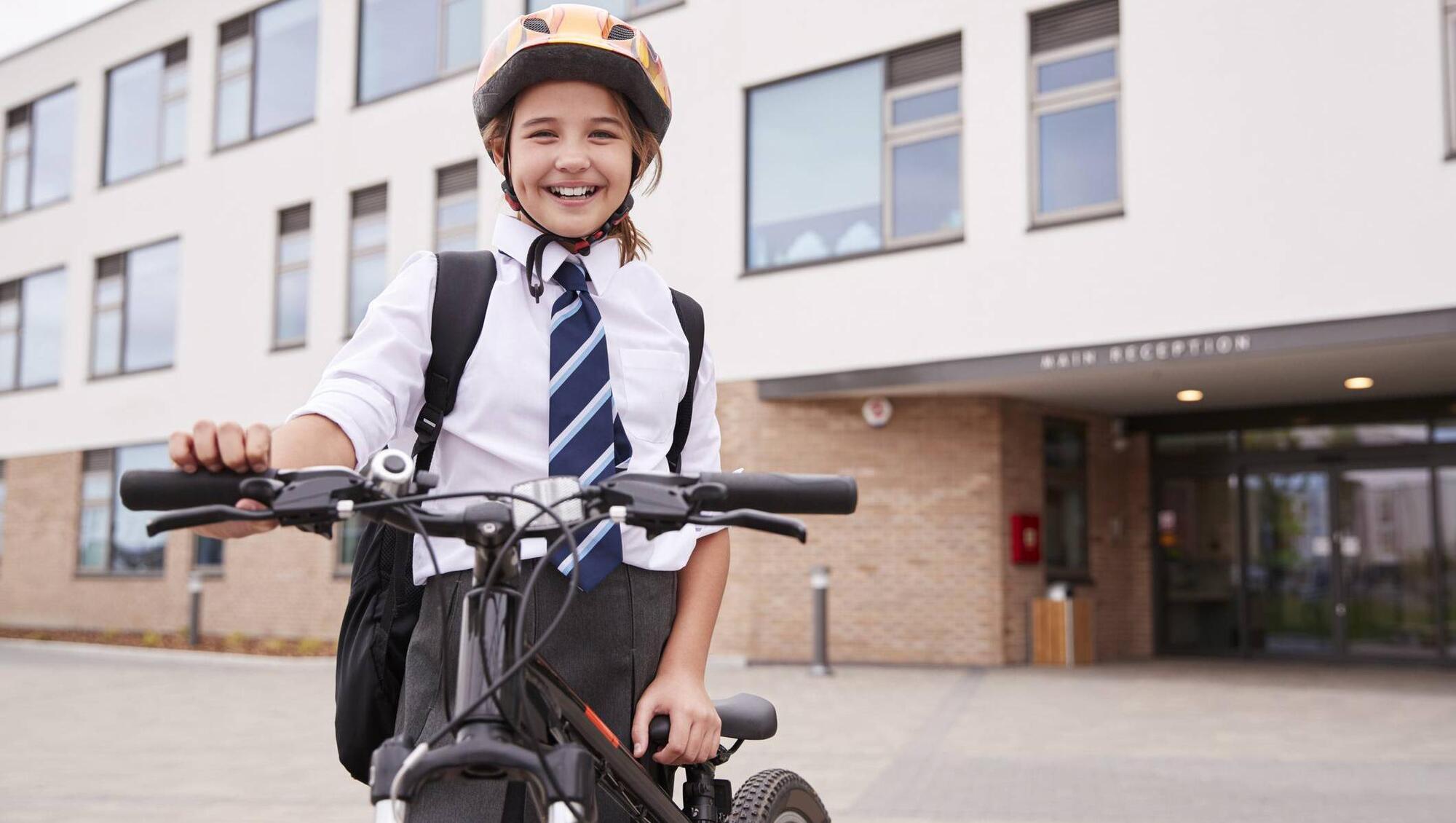
Cycling to school is not only good for your child’s health, it’s also good for the environment. Picture: iStock
Isobella Quinn learned the hard way that it’s safer not to wear headphones when you’re cycling.
The Galway 15-year-old, a TY student at Dominican College, Taylors Hill, has been cycling to school since second year.
“At first I thought I could manage with headphones in. Then one day I was cycling home from school, it was raining, there was traffic and the headphones fell out and caught on the spokes of the bike wheel. I flipped over the bike and really hurt my elbow.”
Isobella – whose 20-minute route to school is quite hilly – says she took up biking to school because she’s impatient. “When I was on the bus, I didn’t like all the stops it made. The bike’s a quicker way for me to get to school. And it’s just me on the bike, so I’ve an opportunity to think about the day ahead without having people crowded around me.”
She admits cycling to school has its challenges. “There are no cycle lanes on the route I go – there are barely even footpaths. Car doors open and kids pile out – you have to be careful of pedestrians.”
But she’s become very safety conscious. “I’ve learned from past mistakes. If I’m going down a road with lots of cars, I don’t zip along, I go slowly, cautiously. I’m not just focusing on the ground for potholes. I’m also looking ahead, paying attention to what’s happening right in front of me.
“After you’ve cycled a route a few times, memory builds – you know where the pothole is, the drain. It’s really important to remember where the dangerous parts of the road are. And of course new things happen – the puddle you’re going to splash into in your school uniform. The biggest thing is not having headphones in because then you’re not paying attention.”
An ambassador for #andshecycles (a national campaign to help girls get on their bikes while addressing reasons they’re reluctant to), Isobella would love motorists to consider that she’s “not in a metal box like them”, that she’s “practically unprotected” and that bikes aren’t as high-tech as cars.
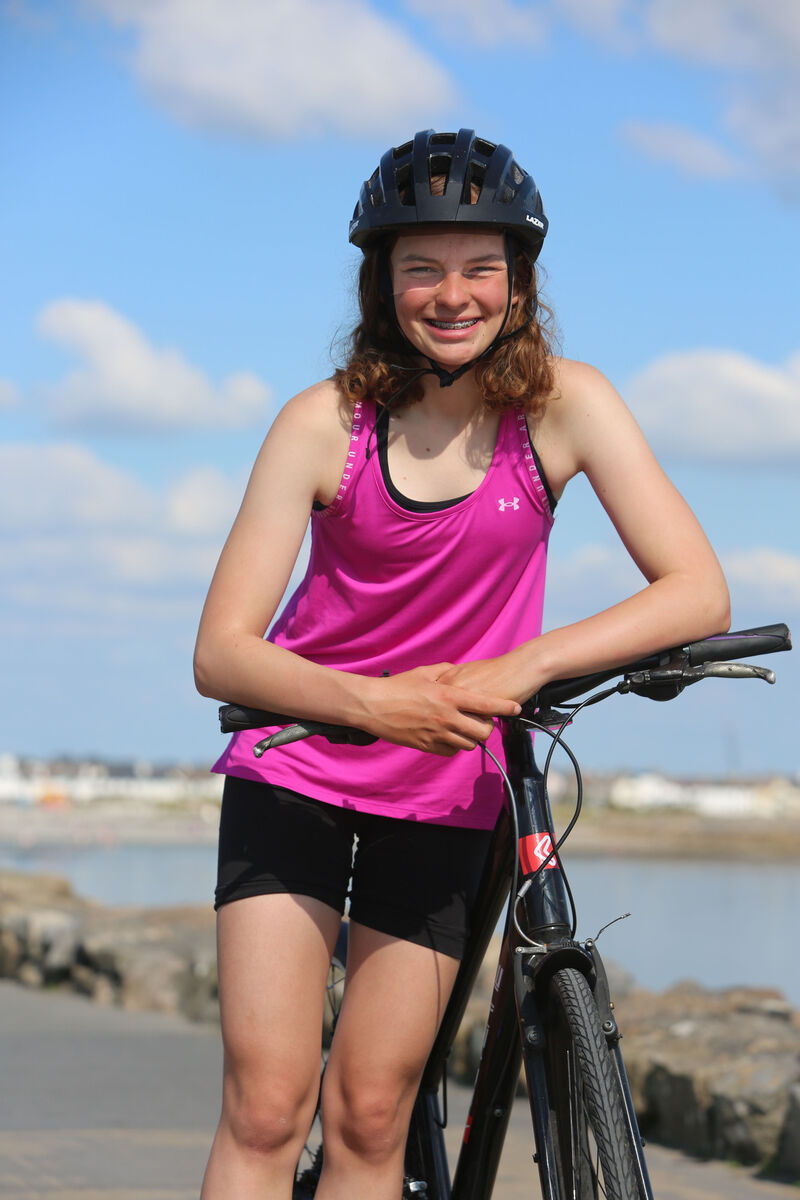
The 2016 Census at School data showed just four percent of students cycle to school – though in Dublin one in 10 does. And there's a gender bias - one in 250 teen girls travels to school by bike compared to one in 25 teen boys.
But it seems cycling to school is becoming more widespread. There are now over 20 cycle buses operating here. A community initiative, this involves several parents/volunteers leading groups of cycling students to one or more schools. Cycle buses have a specific route with stops along the way where students can join. City-wide cycle buses have been operating successfully for school children in Galway, Limerick and Dublin since early 2019 and they’ve now spread elsewhere, for example, Cork city and Skibbereen.
“Parents in areas where there’s no cycle infrastructure feel ‘well, if we cycle in a group, our children are more likely to be safer on the route’,” says Jane Hackett, senior manager of the Green-Schools Travel Programme.
Hackett says when parents are reluctant to let children cycle to school, it’s primarily about safety. “Traffic congestion building up on school journeys or at the school gate, lack of segregated cycle paths, are all concerns. In rural communities especially, incidences of speeding outside the school gate is an issue – some schools are on 80km or 100km speed routes.”
But, says Hackett, parents also worry about where the child can safely park their bike during the school day and about distance to school: how far is too far for an eight-year-old to cycle?
Christine Hegarty, road safety and education manager with the Road Safety Authority (RSA) says under-12s shouldn’t be allowed cycle unsupervised on public roads. And Hackett says, while it might “feel like instinct” to cycle ahead of your child, supervising parents should always cycle behind. “This way you can give direction as to where the child should position themselves on the road. And the child shouldn’t cycle too far ahead of you.”
Parents should show children how to do hand signals – and make sure they’re confident to use these to indicate which way they’re turning.
“Children should also be comfortable looking over their shoulder to see what’s behind them. And they should try not to cycle two abreast,” says Hackett, who has a checklist for parents of school-going cyclists:
- Bike should be matched to child’s height and experience.
- Ensure bike’s in proper working order. Check brakes. Ensure correct lights – red at the back, white at the front.
- Saddle/seat needs to be at right height.
- Ensure weight of schoolbag doesn’t cause child to wobble.
- Ensure safety helmet fits properly.
- Wear high-visibility vest.
Hegarty adds: “Don’t allow children to wear loosely-worn scarves or other clothing that could get caught in wheels or chain-set. And don’t allow them take unnecessary risks.”
A positive development is the Safe Routes to School programme, which launched in March. It aims to accelerate delivery of walking/scooting and cycling infrastructure on key access routes to schools, provide front-of-school ‘treatments’ to enhance access to school grounds and expand the amount of bike parking available at schools. Almost one in four schools applied for inclusion in the scheme and 170 have been selected for the programme’s first round.
Hackett urges drivers to respect the child on the road: “A child is a very vulnerable road user.”
She cycles with her own children and has endured motorists beeping at them and being aggressive. This, she says, really undermines children’s confidence. “Drivers should reduce speed, be vigilant and expect children not to behave as adults would. They might wobble a bit or weave in and out.”
Drivers must share the space on the road with children and not see them as a hazard. “Children are meant to be there. The more children on bikes, the less traffic there is, which benefits those who want to drive.”
CONNECT WITH US TODAY



Be the first to know the latest news and updates