Appliance of Science: The best position to get a good night's sleep
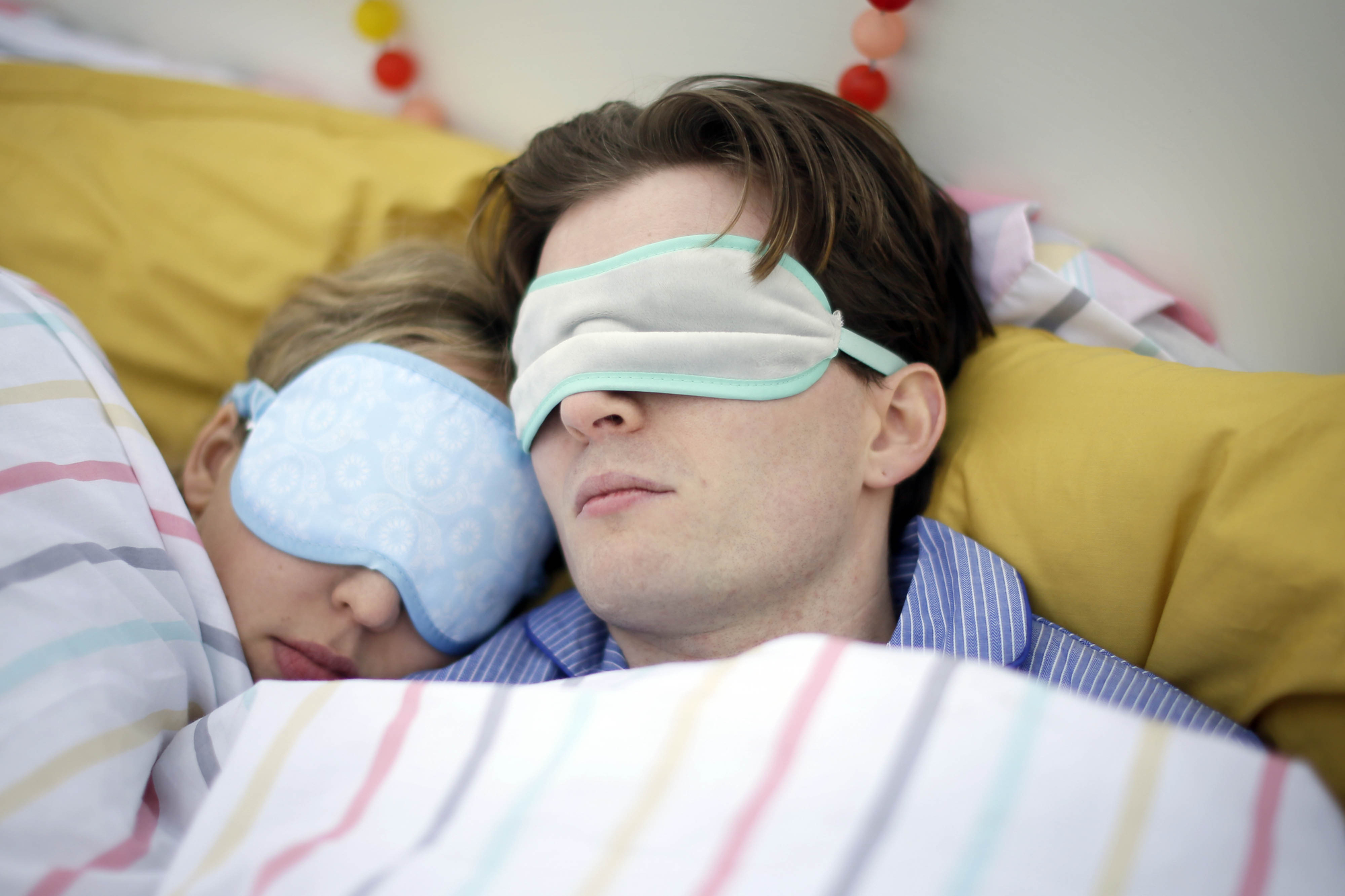
What's the best position to get a good night's sleep?
If you find you get a good night’s sleep most nights and wake up rested and refreshed, then whatever sleep position you prefer is working for you; don’t change a thing. But if you find your nights are restless and you wake often, then one simple change could make all the difference.
There is no 'one size fits all' when it comes to the perfect sleep position. Although the four main positions are front, back, and right or left side, there are variations on each. One study looked at the sleep preferences of different age groups and made an interesting observation: it seems that children tend to use each sleep position equally throughout the night but, as we age, that changes and side sleeping becomes the preference in adults.
Sleeping on your back is considered the best position for relieving back pain or helping to reduce reflux. However, this position can create problems for anyone that suffers with snoring or sleep apnoea as it can restrict airways.
If sleeping on your back can make you snore, then is it better to sleep on your front? This position is probably considered the worst sleep pose for most people as it can put pressure on the organs and the digestive system and has been linked with increasing blood pressure.
So if we appear to show a preference for side sleeping as we age, are there any advantages to this sleep position?
Firstly, sleeping on your side may be the best sleep position to most efficiently clear brain waste as we sleep — at least that is the suggestion made by a 2015 study that looked at this brain activity in sleeping rats.
While it may be a stretch to extrapolate from rats to humans, it is a possibility that we also clear brain waste more efficiently by sleeping on our sides; and rats do show a preference for side sleeping, just like humans do.
Sleeping on your side is also recommended if you suffer from snoring or mild sleep apnea as this position supports a more open airway.
Interestingly, there can be different pros and cons depending on whether you sleep on your left side or your right.
Sleeping on one particular side may aggravate heartburn. Of course, that can depend on what you eat and when you ate it, but studies have shown that people who sleep on their right side have higher levels of acid in their oesophagus than control groups. One suggestion for this is that sleeping on your right may relax the valve connecting the oesophagus and stomach, allowing some stomach acids to leak into the oesophagus.
As well as possibly reducing the risk of heartburn as you sleep, switching to the left side provides other health benefits too. Sleeping on your left side may improve your blood circulation as you sleep. Our bodies return blood to the heart from the right side, so these blood vessels are not compressed when we sleep on our left.
Sleeping on this side is also recommended for pregnant women for the same reason — better blood flow benefits the supply of blood and nutrients to the placenta.
Many of the studies carried out on sleep position in humans need further development and expansion. Ultimately it comes down to whatever position gets you the best night’s sleep, even if that involves curling up in a ball or hanging off the side of the bed.

CONNECT WITH US TODAY



Be the first to know the latest news and updates