Natural health: Can I fix my brittle nails through diet? 
Natural health: Can I fix my brittle nails through diet? 

Can I fix my brittle nails through diet?

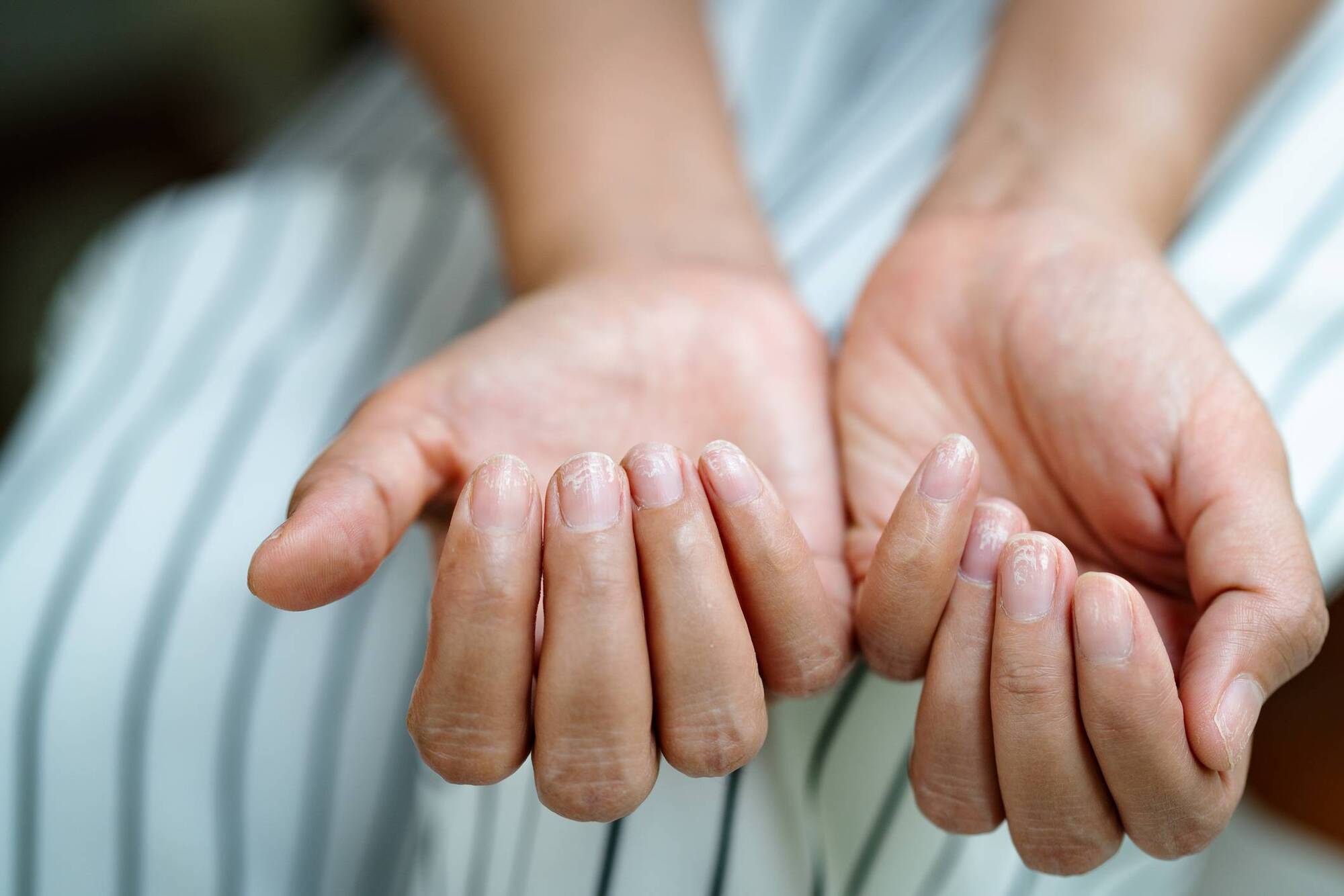
I’m in my mid-40s and have noticed that my nails have become quite brittle, particularly on my right hand. Is there something missing from my diet?

Brittle nails are often associated with perimenopausal changes in women. These changes typically begin anywhere around the age of 35 years onwards and can lead to the nails being brittle, discoloured, and dull. Splitting, peeling, and ridges may also develop. Perimenopause is not the only condition that can show up in your nails — autoimmune conditions, thyroid disorders, anaemia, psoriasis, and adrenal fatigue can all impact the health and appearance of your nails and cuticles. Nutrient deficiencies, as you suggest, can also be an underlying cause.

To help rebuild brittle nails, ensure your diet is rich in essential fatty acids (EFAs). If you feel you are not getting enough nuts, seeds, and oily fish in your diet, then you might want to find a good EFA supplement.

The water-soluble B-vitamin, biotin, has been shown to help significantly with nail strengthening while reducing the likelihood of splitting and breakage. Look for a supplement with 1000ug (1mg) strength biotin, and take two to three tablets daily for six months.

I like to go for long walks but find my feet often feel sore afterwards. What would you suggest?

There are a number of potential reasons why your feet may feel sore after long walks. One of the most common issues is plantar fasciitis, which is where the collagen fibres in the band of tissue connecting the heel to the toes become inflamed. The pain associated with this condition is typically felt towards the heel of the foot.

It is also possible that your gait could be the underlying cause of your foot pain. The best way to assess this is to make an appointment with a podiatrist, who will recommend suitable footwear, shoe inserts, and movements or exercises that can help. Footwear, posture, and walking style can make a significant difference in terms of reducing stress to muscles, joints, and connective tissue.

While you are considering your gait and posture, it is also worth investigating the possibility of referred pain. Often, when the calf muscles are tighter than usual, this can impact the flexibility within the ankle joint and strain the fascia under the foot. If you know that your calves are tight, or have issues with cramping in your calves, then begin by treating your calf muscles.

Massage a warming balm or gel into the calves, ankles, and feet before walking, and again before bed. If you can find a preparation that includes cayenne (or the active ingredient capsaicin) or ginger, then this will help to improve blood flow and facilitate relief and repair of the area.

When taking long walks, it is important to ensure that you are walking on varied terrain if possible. Walking on predictable flat and even surfaces such as footpaths is more likely to cause a repetitive strain issue within the joints, muscle, and fascia. Uneven surfaces occurring in nature trigger a deeper engagement between our bodies and brains, which leads to better strength and support in our feet and legs, and reduces the likelihood of repetitive movement injuries. If this type of walking is new to you, then add a little ‘off-roading’ at a time to allow your body to adjust and adapt.

In terms of supplements, look for anti-inflammatory formulations including bromelain, MSM (methyl sulphonyl methane), and/or magnesium.

Magnesium is particularly useful in treating muscular cramping, relaxation, and nerve health. It is a good idea to take calcium as well since these two minerals work best in a 2:1 ratio in favour of calcium. The recommended dosage is 800mg of calcium to 400mg of magnesium daily. Vitamin B6 is often indicated in overuse injuries, between 100-200mg daily, and also helps to treat tight muscles when combined with magnesium and calcium.

NOTE: The information contained in this column is not a substitute for medical advice. Always consult a doctor.

x

Celebrating 25 years of health and wellbeing

More in this section

Lifestyle

Newsletter

The best food, health, entertainment and lifestyle content from the Irish Examiner, direct to your inbox.

Cookie Policy Privacy Policy Brand Safety FAQ Help Contact Us Terms and Conditions

© Examiner Echo Group Limited