How to avoid a trip to the dentist for you - and the kids - over Christmas and Twixtmas
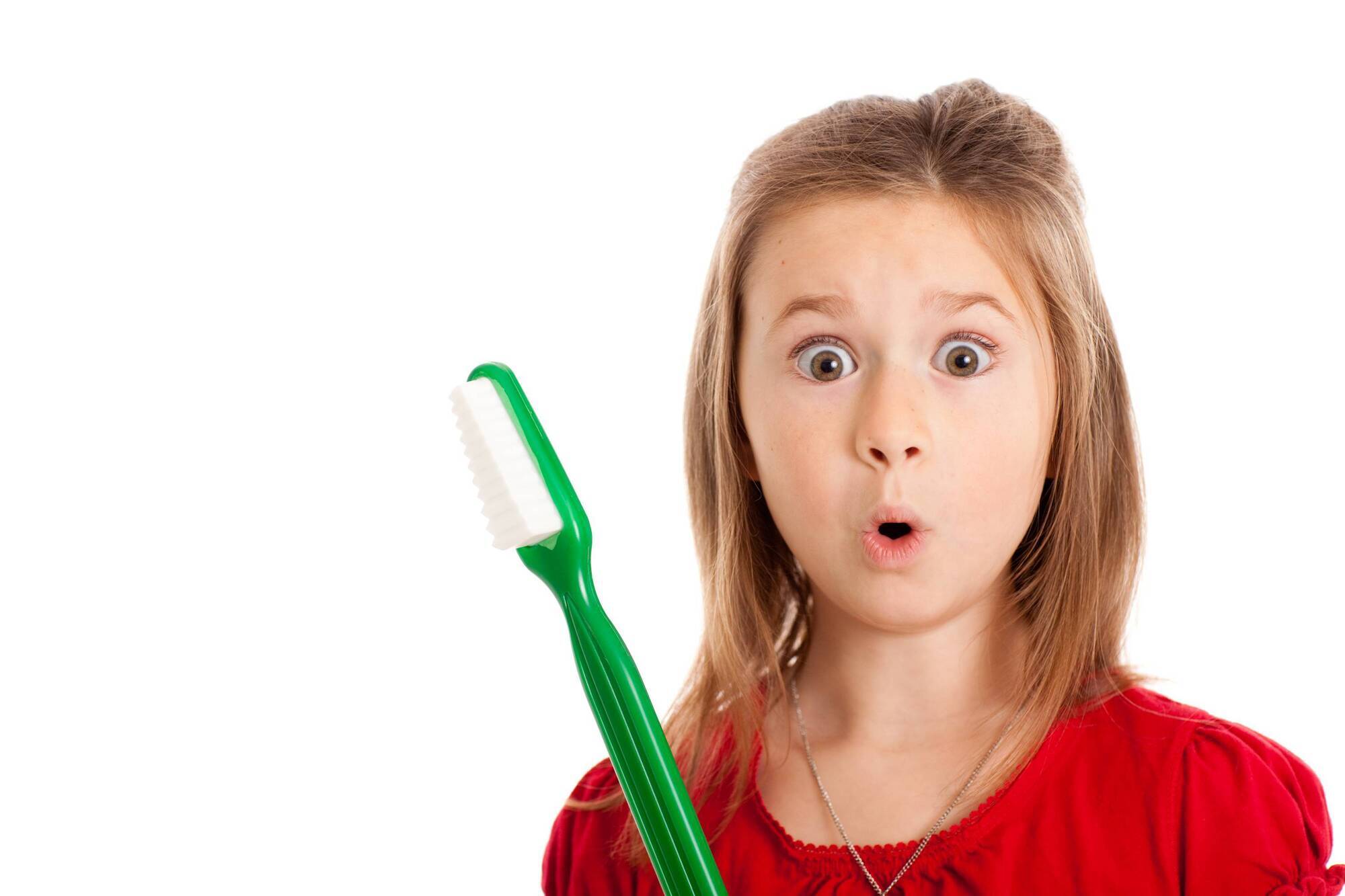
Getting your child's diet and brushing routine right can help avoid a trip to the dentist.
Amid the tumult and disorganisation of the earliest outset of the Covid crisis, a lot of our daily routines went out the window for a bit. And that’s understandable: lockdowns and social distancing measures knocked the rhythm of routine for everyone.
Among some of the worst-affected sectors over the course of the first lockdown was dentistry: unsure of the repercussions and transmission of the virus, people simply stopped going for non-essential or routine checks. As our understanding of the virus has furthered, dentistry has adapted, as normal service is in full swing, says CUH dental practitioner Billy Waters. Dr Waters also works in general practice in his Cork Dental Clinic in Ballincollig, and operates a specialist dental implant practice at the Cork Dental Implant Clinic.
“If a patient rings up, we triage first, to see if they have been anywhere that has had clusters of Covid, or they haven’t had symptoms or close contacts. Depending on what they need, they come in. There’s only 2-3 chairs in the waiting room, so we try to reduce wait times to zero if possible, so people aren’t sitting down in a room with others who might be asymptomatic.
“They get their temperature taken, and provided all is good, they go to surgery. We have things called ‘aerosol-generating procedures’, like fillings, and then, most things are ‘non-aerosol-generating procedures’, like taking impressions. We try to reduce the former, and if we have to do one, we allow ‘fallow’ time in surgery, between patients.”

It’s been a fraught time for us all, and it doesn’t help that disinformation about the spread of Covid-19 was rampant on social media early on. Waters discusses the likelihood of catching Covid-19 at your local dental practice.
“From one study I reviewed in the States, less than 1% of dentists caught coronavirus, and they wouldn’t have half the controls we’ve had here. Whether or not they picked it up outside, it’s almost impossible to pick it up in the surgery, because we have PPE on.
“Provided dental practices follow guidelines and allow ‘fallow’ periods between patients, aren’t treating patients that show symptoms, it’s extremely safe to go to the dentist. It’s safer to go to the dentist than it would be to go to the supermarket.” One of the lasting effects of the lapse in routine has been the maintenance of family dental routines, especially kids’ visits to their family practices. Dr Siobhán Lucey is a Lecturer and Specialist in Paediatric Dentistry in the Cork University Dental School and Hospital. She encourages being straightforward with your kids about their dental care, and its role in wellness in the current circumstances.
“Depending on your child's age, I would suggest discussing sugar-containing foods and drinks in the context of their overall health. Healthy eating guidelines are generally tooth-friendly and so we can have this conversation as part of a wider conversation about healthy eating and living.
“Each parent knows their child best, and knows what will motivate them. Ensure the young person knows the facts - i.e. too much sugar causes cavities, which may cause pain/infection, and may also affect appearance of the teeth - but a sensible approach would be to agree a realistic framework for having treats. Pick a time in the week when treats can be enjoyed, as a family, like movie night, or after Sunday dinner.” Lockdowns have also resulted in a hike in online impulse buying, no surprise considering spare time, and in some cases, more disposable income. You might have impulse-bought an electric toothbrush, and are now looking at your new acquisition with some curiosity. Waters talks about the upsides of the devices.
“The main thing is to brush twice a day. A lot of patients brush their teeth way too hard, and there are electric toothbrushes out there that have pressure sensors, as well as timers. They force you to be diligent, and to keep brushing for two minutes at a time, four minutes a day.” And while grabbing a new gadget for your choppers is all well and good, it’s important to replaced the heads (or your old-timey manual toothbrush) every three months or so. But that’s not the only immediate aftercare you need to get in, says Waters.

“Flossing is a big thing, and I’d recommend interdental sticks for patients who can’t be bothered, or find flossing to be fiddly. They aren’t as good as floss, but they’re better than nothing.” Some of us might read that statement and get uncomfortable: flossing is indeed fiddly for many of us, but for others, the sight of blood flecking their spat-out toothpaste or mouthwash after a vigorous clean is a regular and worrisome occurrence, says Waters.
“It’s a sign of gum disease. Book an appointment to see your dental hygienist, get some advice from them on proper care. We all brush the tartar off the gum, but the point of a dental hygienists’ visit every month is to clean off the gunk that builds up under the gum, and that’s what causes bleeding gums.” What else is to be done, then, in the absence of a dentist’s visit in the immediate future apart from brushing thoroughly?
“Diet. A good, healthy diet with fibre in it, to clean your mouth, clean your tongue. Reduce sugars, and there’s hidden sugar in everything. And you don’t mind foods’ intrinsic sugars, like in fruit, etc., but extrinsic sugars, like sucrose are what we look out for, the kind in jellies, and chocolates, and things like that. They’re the main factors.” “It’s important that the foods we choose for school are filling and nutritious,” adds Lucey on the issue regarding selecting or regulating kids’ diets at school, particularly hard to monitor in these times.
“Sandwiches with wholemeal or brown bread, wholemeal pitta, plain rice cakes, plain oatcakes; colourful selections of fruit/raw vegetables. My son has recently started taking some soup in a flask which he loves.”
“Everybody understands that maintaining routine is difficult during holidays,” says Siobhán Lucey.
“However, maintaining some consistency is good for us all. I would suggest involving children in planning and decision-making about their routines. My son really enjoyed making out a plan of action for our days during lock-down earlier in the year. We are aiming for twice-daily brushing, once before bed and once at another time in the day.”
“To bring children on board and to make it more fun, you could consider investing a new toothbrush for Christmas. We should use age-appropriate, small soft toothbrushes for children. You can let your child pick out a new brush in their favourite colour, and this will help keep them motivated.”
“You could also play a nice Christmas song while they are brushing, and let them choose the song in advance. This is fun and also encourages us to brush for at least two minutes!
“A wee reminder… always use a toothpaste containing at least 1000 ppm fluoride, spit out afterwards, don't rinse, and don't hesitate to assist your children with brushing up to the age of 8 or so.”

CONNECT WITH US TODAY



Be the first to know the latest news and updates