A Day in the life: Dr Louise Gibson, community paediatrician
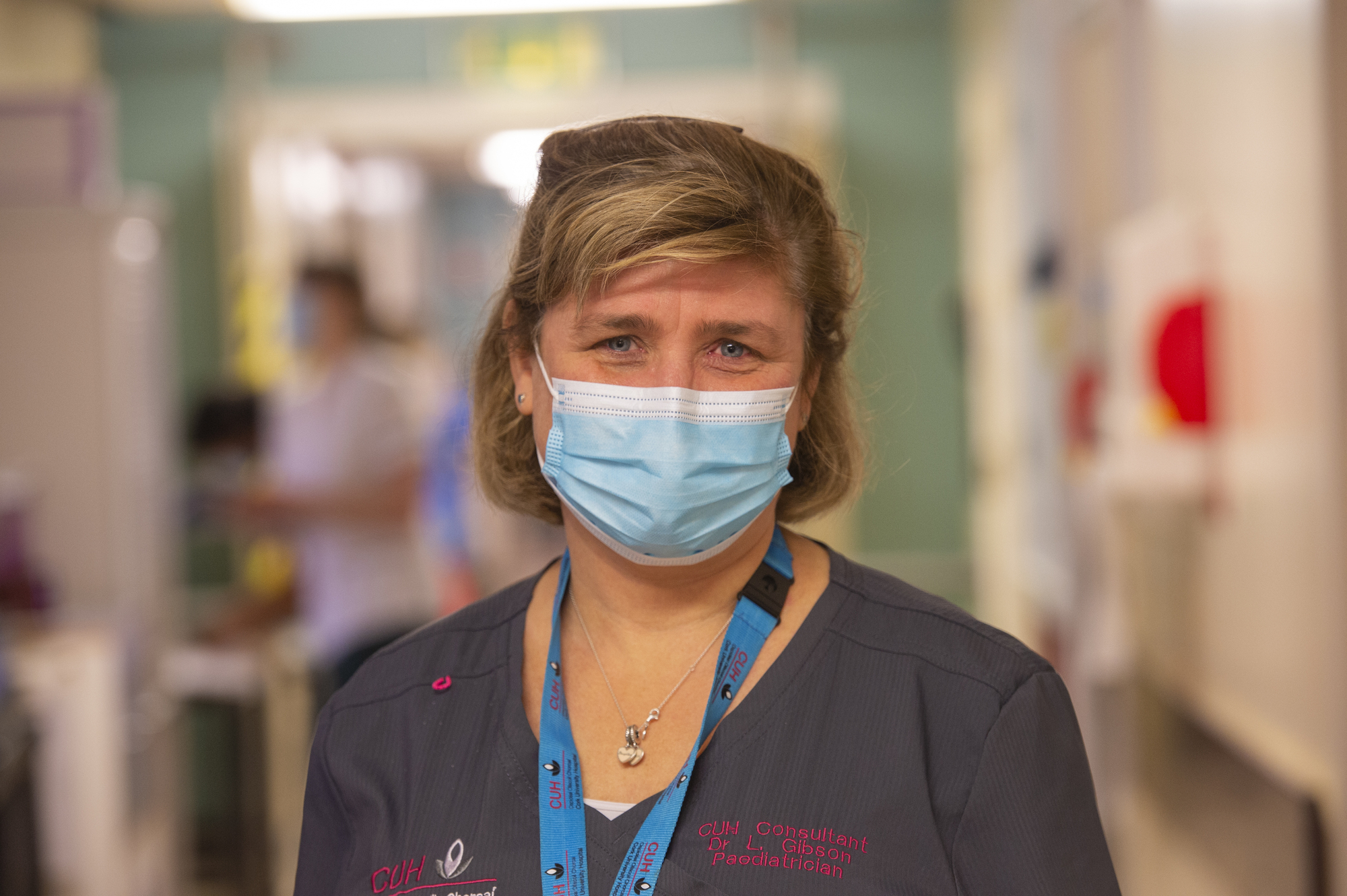
Dr Louise Gibson is a consultant paediatrician in CUH with a special interest in community paediatrics, and a senior lecturer in UCC School of Medicine. She tells Deanna O'Connor about a typical day
A Day in the life: Dr Louise Gibson, community paediatrician

Consultant paediatrician Dr. Louise Gibson at the Puffin ward at the CUH, Cork. Picture Dan Linehan

I’m a consultant paediatrician with a special interest in community paediatrics. I’m also a senior lecturer in UCC so my job is split between teaching students and hospital and community work.

Essentially the community paediatrician forms a bridge between the hospital services and the community services for children—disability services or the early intervention services.


Children under the age of six who haven’t met their milestones in more than one area are deemed to have a global developmental delay. Many of those would ultimately get a diagnosis of a learning disability, physical disability or autism.

A lot of our work is seeing these little kids and working out why they are delayed, what the underlying problem is and if there are any underlying medical problems alongside that.

We would refer them onwards to an early intervention team—a multidisciplinary team in the community. As much as possible we try and get them to the community services as quickly as we can. Sometimes you have to watch and wait and see them a few times before you can really get a sense of what trajectory the child is on.

There are very few average days. As a hospital paediatrician, I can get acute admissions as well. The day starts at 8.30am with the handover from the night staff regarding any new patients or any sick patients from the previous night. That’s usually followed by a ward round. After I see patients, generally there is an array of phone calls and emails to work through with my secretary.

We have an active teaching department so we meet as a group during lunchtimes and have teaching on different topics. Then the afternoons are usually spent in clinics. I would have an outpatient clinic from 2-5pm on a Tuesday afternoon and sometimes on a Wednesday afternoon. Once or twice a month I have a full day out in the community where I do a clinic for St Joseph's Foundation and the Cope Foundation.

Often intellectual disability can be complicated by nutrition problems, epilepsy, sleep problems—we do a review of the children on a regular basis. It could be as often as every three to six months for more complex cases.

The benefit of doing a clinic in the community is you have more time and more input from the multi-disciplinary team, they can feed in their reports to the nurse or come and meet you. You have better communication with the team when you do it on site.

I also do a child development clinic every week on a Thursday in Knocknaheeny in the Niche Clinic. Niche is a community health project that was established there 20 years ago to promote community in the Knocknaheeny/Holyhill area. I take some students up there; they see the other side of child health, which is so much about the child within the family and how important the environment and family life is for the health and wellbeing of that child. It’s not always just about the child; it’s about supporting the family as well.

Young Knocknaheeny do a brilliant job providing support services for families of young kids around that area—they do all sorts of things like baby massage and parent and toddler groups—and it’s a model that could be rolled out across all areas.

In March, all clinics were stopped and the special schools closed. We continued to provide a service on the phone as much as we could and I’ve found a significant amount of parents needed a lot of support and help throughout COVID-19.

Myself and another member of the UCC staff surveyed parents of children with disabilities, looking at their overall stress levels. We know that even on the best day there is quite high stress levels, but what we saw is an almost doubling of the rate of stress. The closure of schools and services was critical for some parents. If you have a child who is medically vulnerable, on top of that, then you are constantly worrying; because of public health guidelines to not have people coming to the house, these families were without the usual supports of extended family and nurses in the community. As time went by, some allowed the nurses in because they had to; they provide a really vital role in providing respite for families who give 24/7 care.

I was really heartened to see that on the second lockdown the schools were allowed to stay open because I think for children with special needs, that was really vital. School to some extent provides respite and routine, and the social aspect of going to school is so important.

I see a lot of parents coping with frustration having to wait for community services. Waiting for diagnostic assessments in the community can be challenging. Trying to manage the waiting lists and trying to get to see everyone in a timely manner is very difficult. I have a great support team here, especially for the young kids; we have marvellous physiotherapists, occupational therapists, speech therapists and dieticians who help us.

The families I meet are extraordinary — the patience, the acceptance, the joy they get from their kids. There’s a lot I can’t change but sometimes making small changes to meds or to physical symptoms can make a big difference to the child’s quality of life.

Celebrating 25 years of health and wellbeing

More in this section

Lifestyle

Newsletter

The best food, health, entertainment and lifestyle content from the Irish Examiner, direct to your inbox.

Cookie Policy Privacy Policy Brand Safety FAQ Help Contact Us Terms and Conditions

© Examiner Echo Group Limited