Do you know your cockapoo from a labradoodle? 10 new hybrid dogs explained

A young cockapoo
With more people working from home than ever before, many people have decided it’s the right time for their families to welcome a four-legged friend.
Although we’d encourage people to adopt their dogs where possible (check out organisations like Cork DAWG, Munster Lost and Found and the CSPCA), there is a high demand for certain breeds, in particular, some interesting crossbreeds.
You may have felt an instinct to discipline your child for bad language when they told you they want a cockapoo, but we promise they weren’t being rude!
Here are ten new(ish) breeds you might not have heard of before...

Cavachons were first bred in the mid-1990s. They usually weigh from 6kg to 9kg and live between 10 and 17 years.
Cavachons are friendly and playful. They get along well with children so are a good pet for a young family..
They have a long coat so they will need to be brushed regularly and groomed.

Chorkies originated in the United States in the early 1990s. They live between 10 and 15 years on average and weigh from 2kg to 4kg.
Chorkies are intelligent and highly trainable, you can have them giving you the paw in no time.
Due to their small size, they are quite delicate so they get on better with older children who can handle them gently. They also need to be brushed regularly.
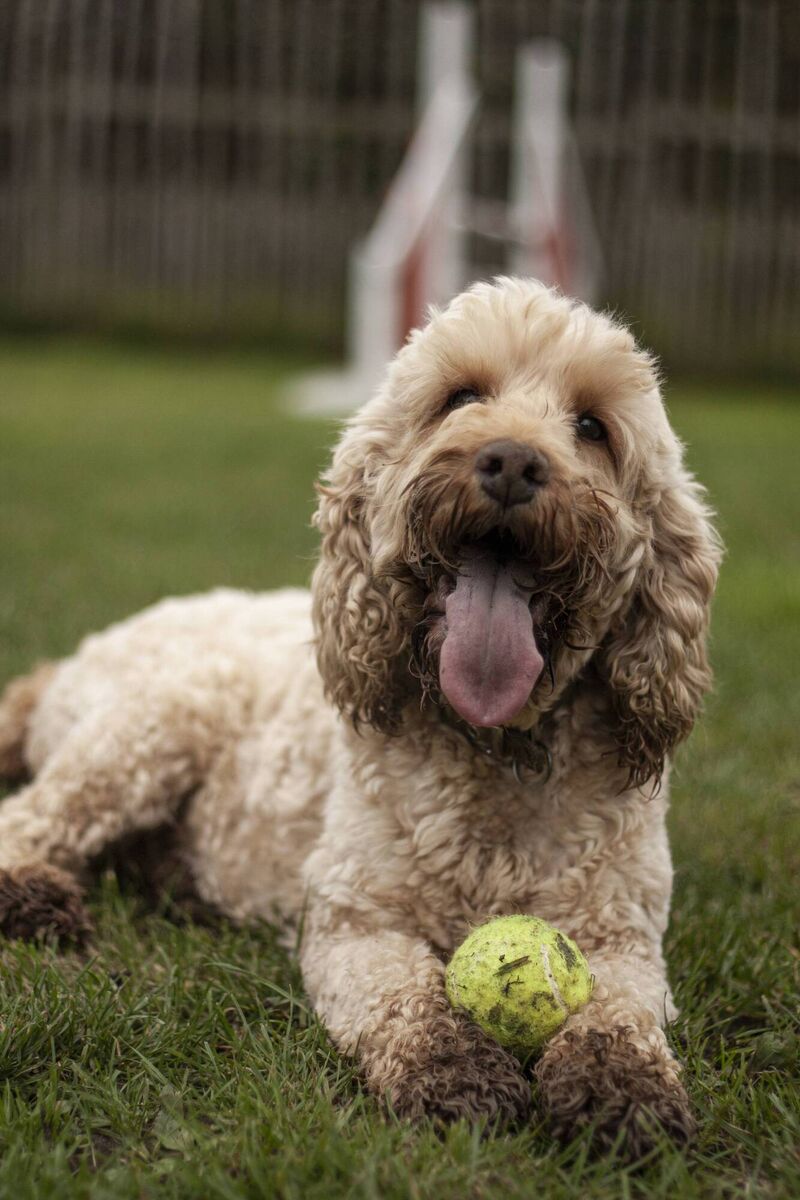
Cocker spaniels and poodles have been deliberately crossed since the 1960s, with the first being bred in the United States around that time. They have an estimated life expectancy of between 13-15 years or more. They usually weigh from 3kg to 11 kg.
Cockapoos are people-oriented and very friendly.
They are energetic so they need to exercise frequently. Be prepared for lots of walks and playtimes.
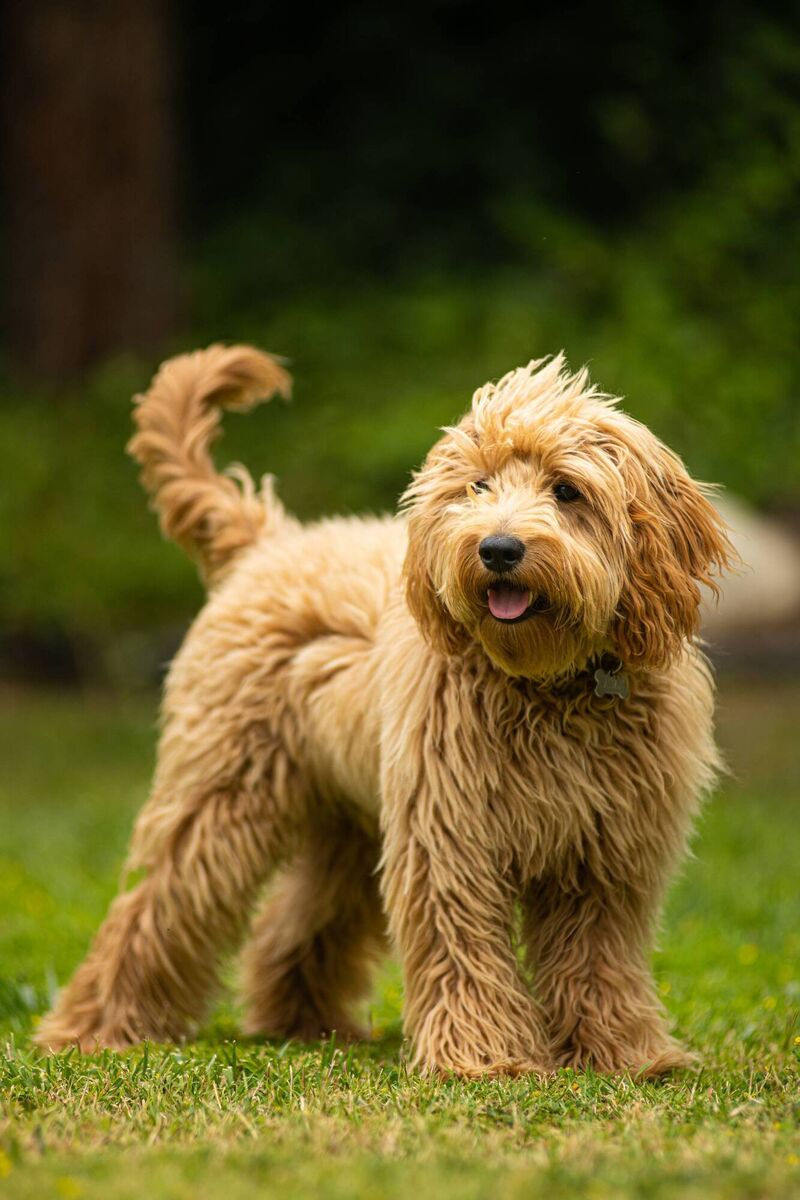
Goldendoodles were first bred by designer dog breeders in the 1990s in the US, although deliberately breeding poodles with golden retrievers preceded this. In 1969, the two breeds were crossed by Monica Dickens.
These hybrid dogs are intelligent, friendly, and affectionate, making them great companion dogs and therapy dogs. Goldendoodles are considered to be hypoallergenic, which potentially makes them a better option for people with dog allergies.
They require daily exercise so shouldn’t be considered by people who are unable to walk them every day.
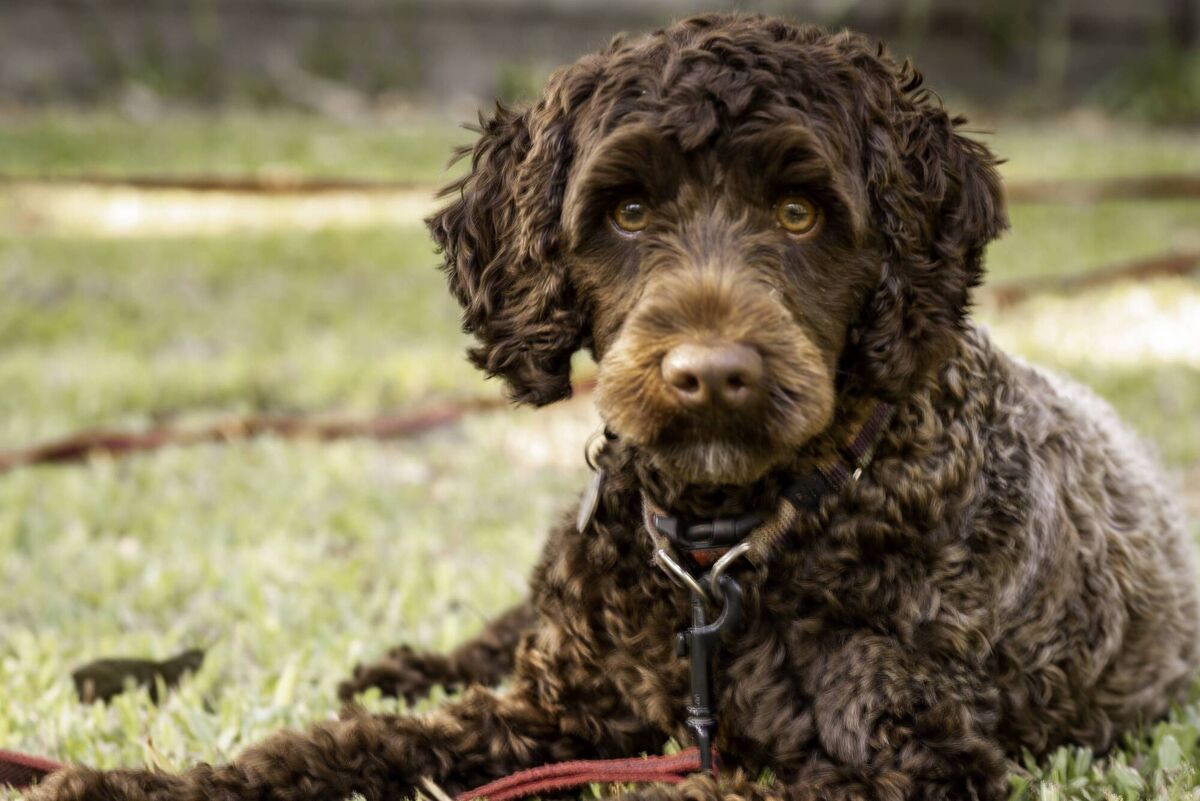
Labradoodles were originally bred in Australia around 1989 to provide a guide dog for a woman whose husband suffered from allergies. A labrador is a standard guide dog breed and a standard poodle’s coat tends not to elicit an allergic reaction.
Much like goldendoodles, labradoodles are Intelligent and friendly.
Their shaggy, curly coats will require routine maintenance and grooming.
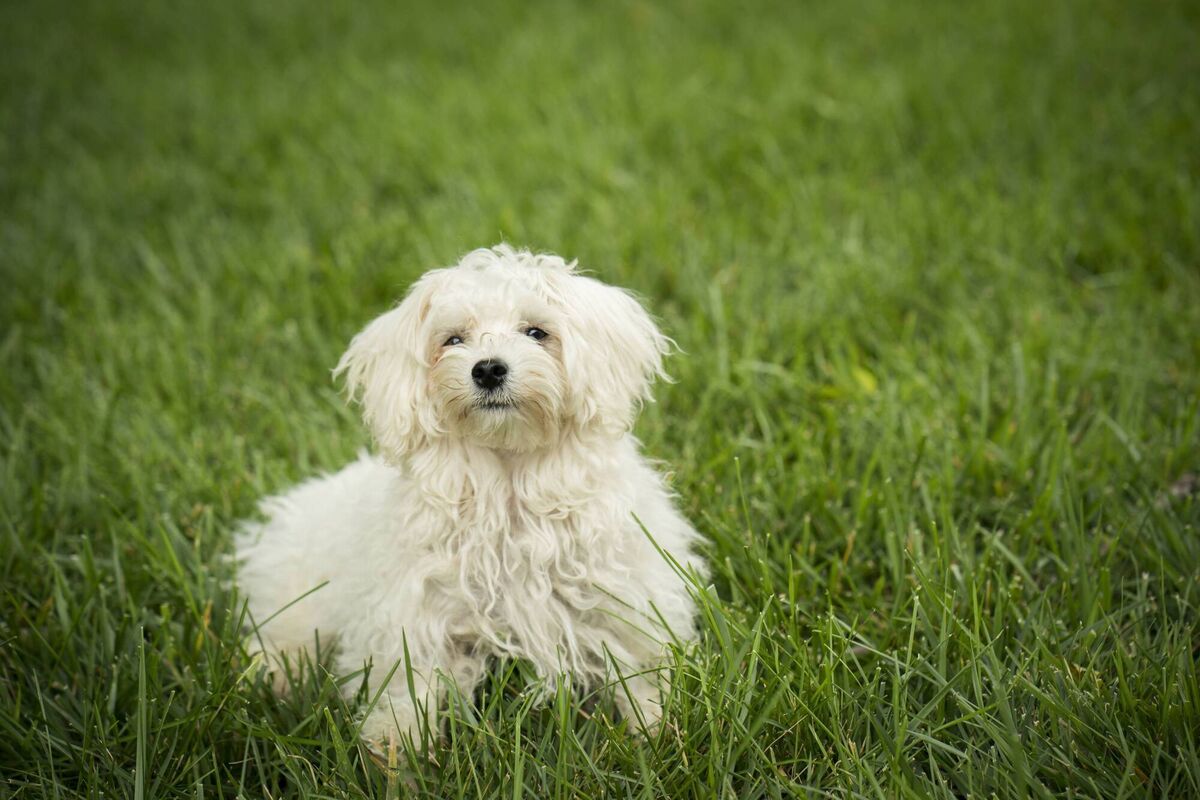
The maltipoo was created to be a companion dog for allergy sufferers and they generally live up to 13 years. They usually weigh from 2kg to 9kg.
Maltipoos are affectionate dogs and they are great for first-time pet owners.
They tend to bark a lot if you don’t train them at a young age and they may develop separation anxiety.
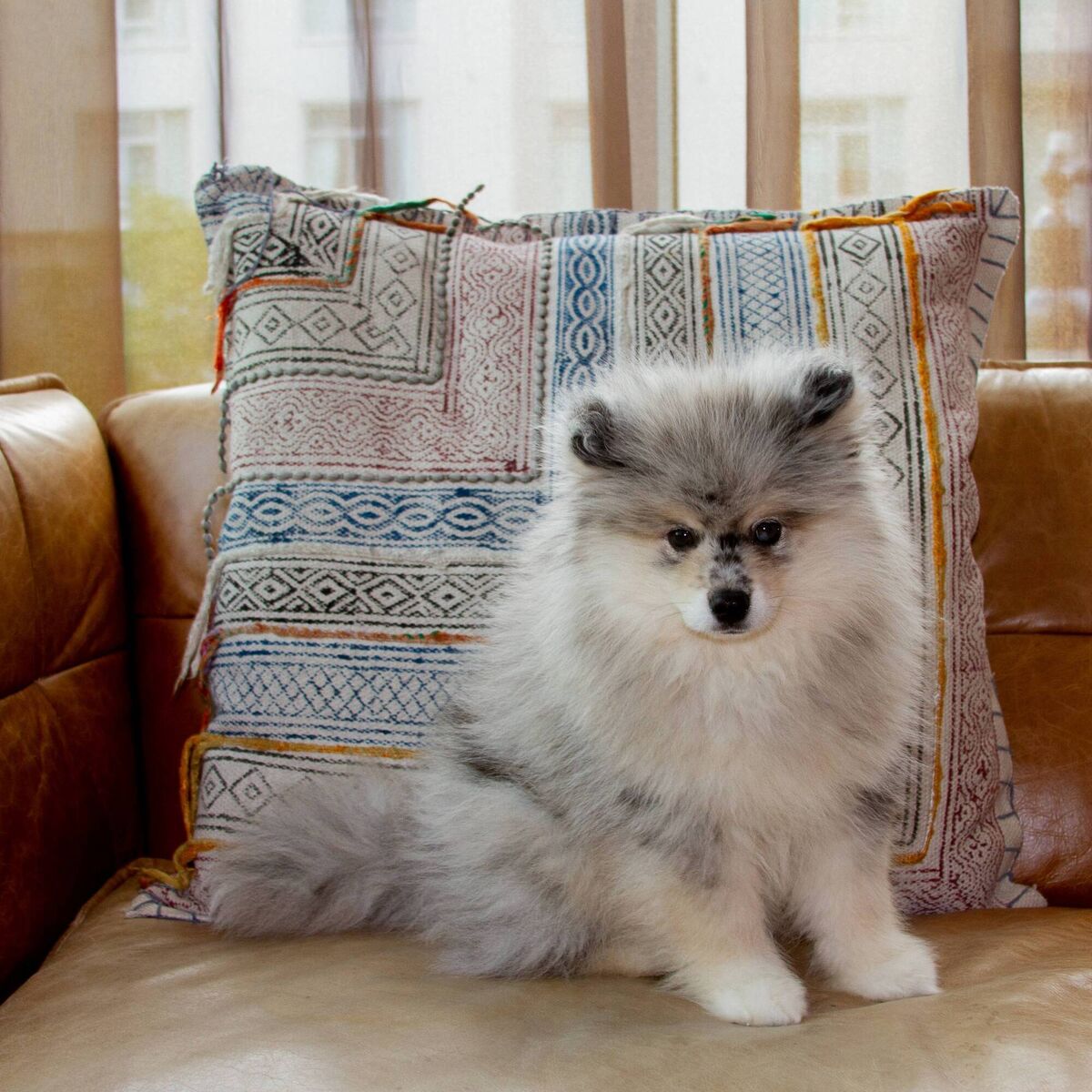
The pomsky is believed to have originated around 2009 in the US and it is mainly bred through artificial insemination to avoid complications. They can live to be 15 years old.
Pomskys are friendly and intelligent, so they respond well to training. As they are small, they don't need a large space to live and only have moderate exercise needs, making them good dogs for anyone who lives in an apartment.
As they are extremely small dogs, people with younger children need to ensure children play gently with a pomsky. They shed a lot (like huskies) and their double coat needs to be brushed regularly. Another trait inherited from their husky heritage is a tendency to be vocal and sometimes yappy.

The first puggle was bred in the 1980s. A puggle often has the wrinkles of a pug and the longer nose of a beagle which helps with respiratory problems that pugs often have with their short noses. They usually live between 10 and 15 years.
Puggles love to be around children. They are affectionate and love cuddles.
They are energetic and fast so a puggle will need regular exercise. If they inherit the shortened pug nose, they might suffer from breathing problems.
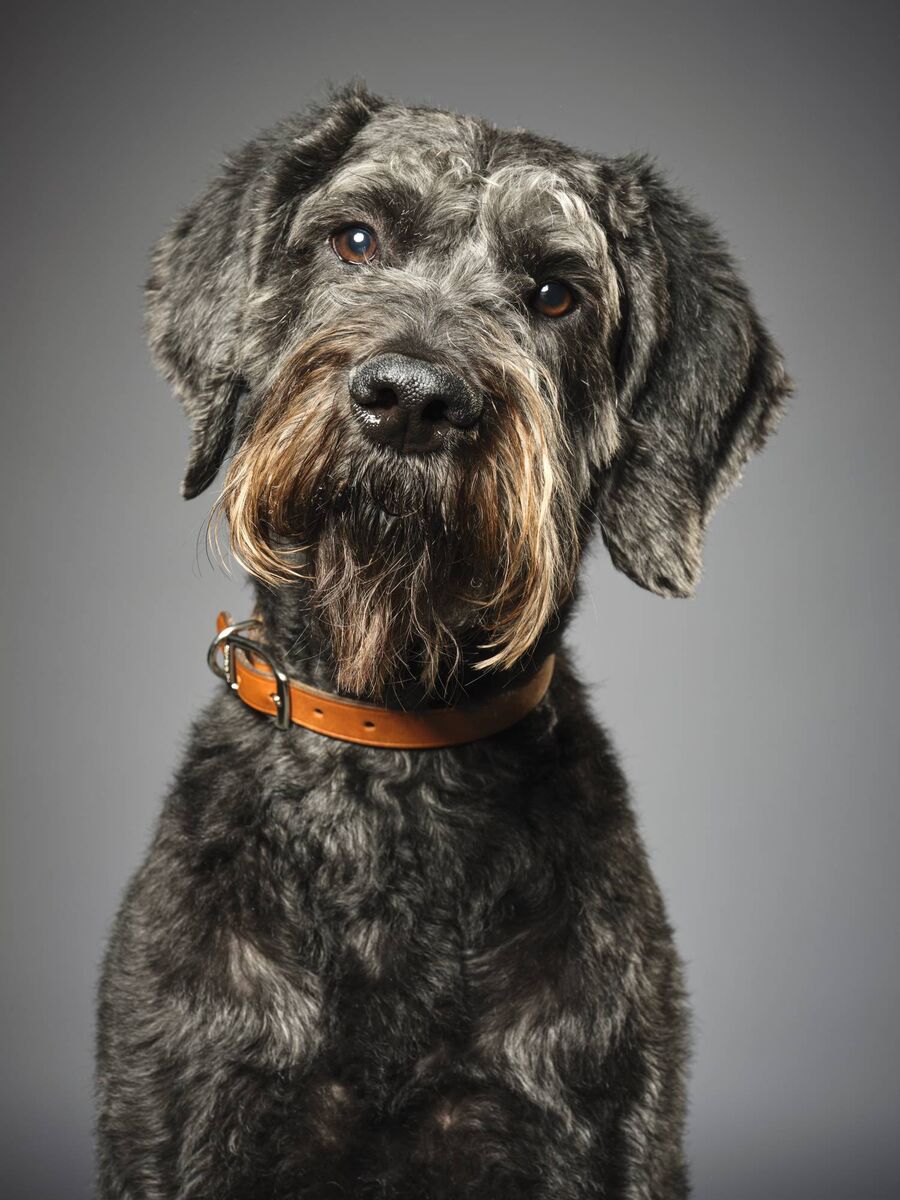
The schnoodle was developed in the 1980s, with the aim to create a low-shedding, hypoallergenic family dog. They can live up to 15 years.
Schnoodles are smart and attentive dogs.
They have a curly coat of hair that requires regular trimming and maintenance.

A yorkipoo will live between 10 and 15 years. It was originally designed to be a companion dog who could live with allergy sufferers.
Yorkipoos are energetic and playful. They are intelligent and they love to be around people.
Another ‘chatty’ breed, they can also have a tendency to bark often.

CONNECT WITH US TODAY



Be the first to know the latest news and updates