MeeTwo connects with young people seeking help
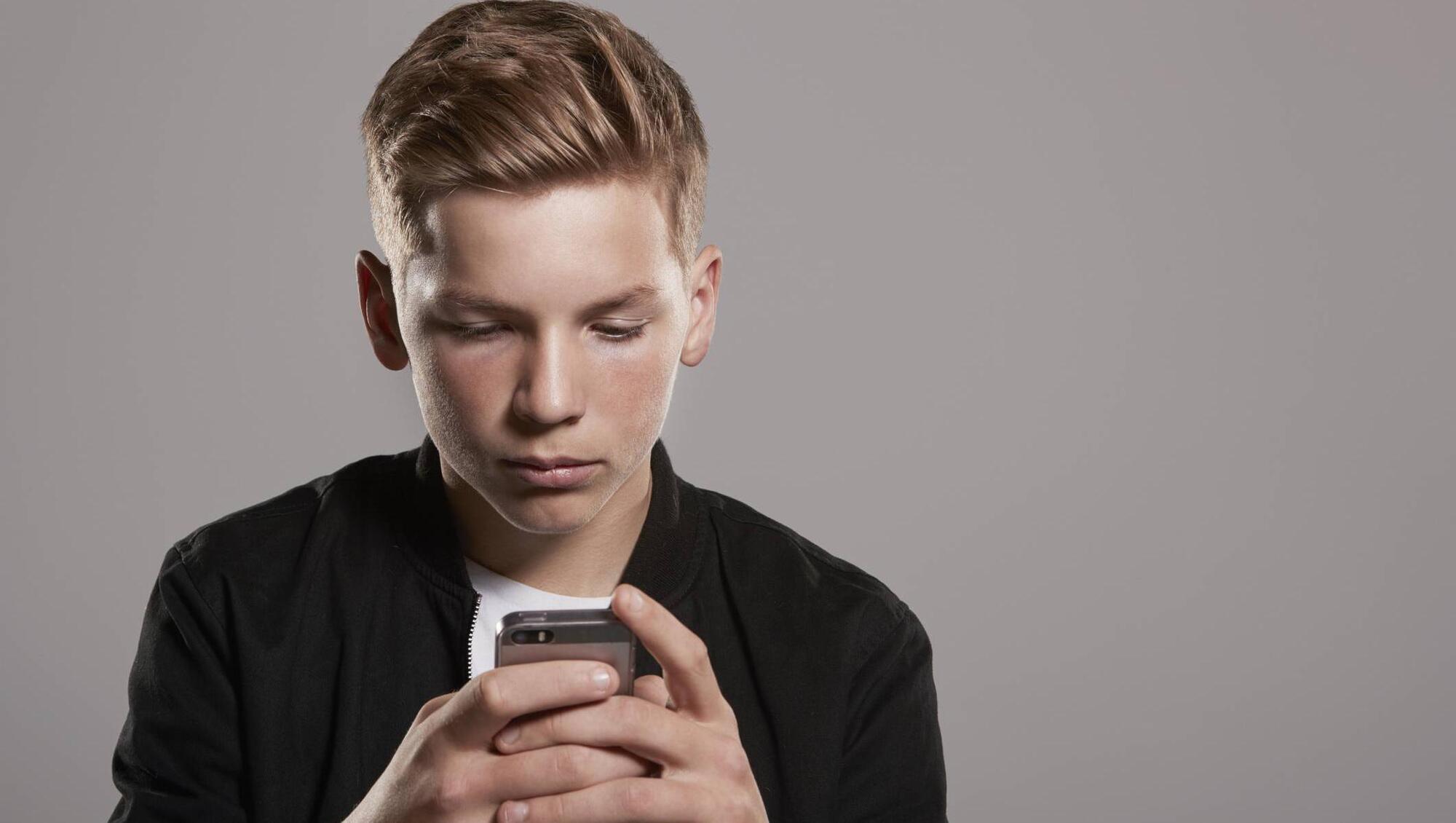
The look and feel of MeeTwo also appeals to young people who spend so much time on social media platforms. File picture
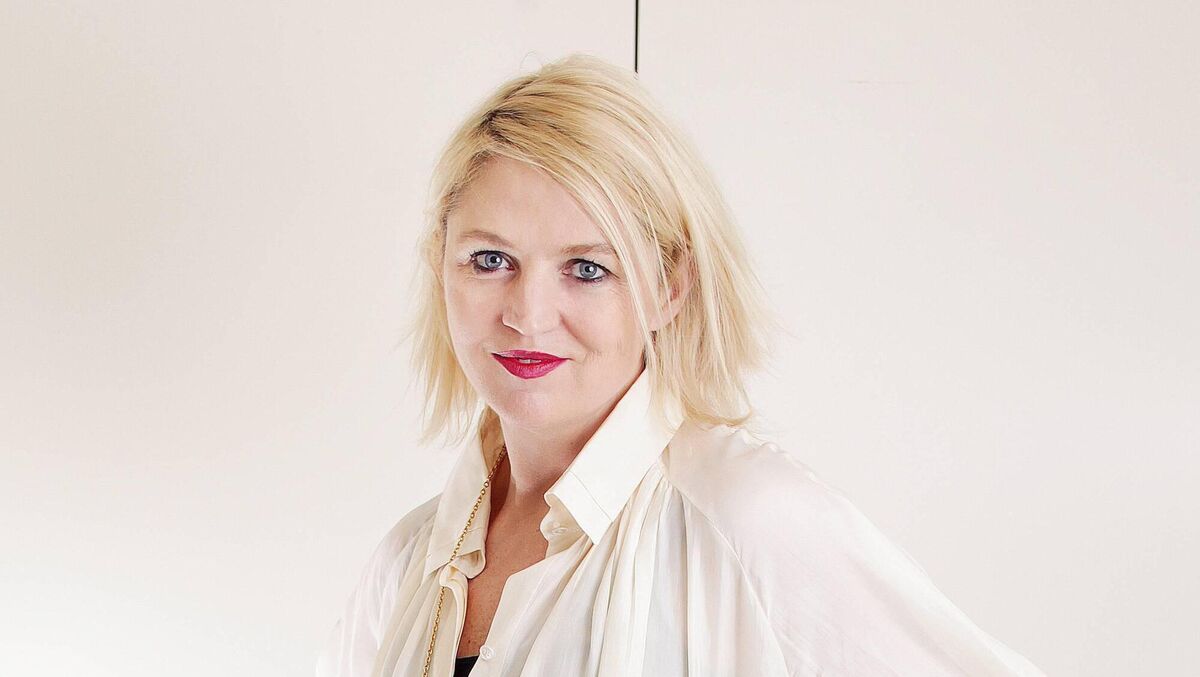
SUZI GODSON has more experience than most when it comes to tackling issues head on. The Irish-born writer moved to London to attend art school when she was 18, set up her own design business, then retrained as a psychologist, and published two bestsellers.
She has been a sex columnist with for 16 years, as well as this paper since 2013, and is also a mother of four. So, when she began to receive more and more correspondence from younger people seeking advice, she decided to do something about it.
“I was constantly getting emails and messages from young people who were really confused about basic things regarding sex and relationships,” she says.
“I wanted to create an app where they could ask all those difficult questions anonymously but get safe, sensible advice.”
Godson teamed up with co-founder and educational technologist Kerstyn Comley, and the MeeTwo app was born.
Described as the mental health app that lets teenagers help themselves by helping each other, it was initially piloted in three UK secondary schools; Godson said its potential was immediately obvious.
“We realised that the issues young people needed help with were much broader than sex and relationships. The app goes under the umbrella term of mental health but it covers all of the things young people struggle with — from serious mental health issues through to fights with your best friend and everything in between.”
The app launched in 2017 and has been a huge success, garnering numerous awards and partnering with the NHS and various organisations to deliver free and reliable advice to young people from aged 11 up.
What is particularly notable about the app is the time and effort that has been put into safeguarding, something of which Godson is justifiably proud.
“We built the entire app around safeguarding — it is anonymous but it is 100% moderated. We have teams of moderators who work form 7.30am to 11pm, and they check every single post and reply before it goes through. So basically people can use the app anonymously but they know they will get positive support and they won’t get trolled, bullied, judged or, more importantly, given inaccurate advice.”
The peer-to-peer support element is also important in reaching out to new users.
“The best person to help a depressed 16-year-old is a 16-year-old who has been through depression and come out the other side,” says Godson.
Another laudable feature of MeeTwo is how it has teamed up with universities to provide support from ‘super-peers’.
“They are undergraduate psychology students who go into the app and make sure that nobody gets left out, that everybody gets a good reply. They also create model replies for other users, so young people can see how to show empathy or be supportive. We see that as a stealth education process in terms of showing other young people how to be helpful. This was built around existing research on face-to-face peer support and digital peer support. The amazing thing about peer support is that the helper gets as much benefit from it as the person being helped.”
The app also provides a directory of services available to young people.
“We did lots of workshops in schools and discovered that none of the young people that we spoke to realised that there were hundreds of charities providing different types of support — the only number they might have known was Childline. I also interviewed all the top mental health experts in the UK and collected a directory of support for the 60 main issues that came up in the app. That wasn’t just helplines and support groups, it was also the best books, apps, TED talks, products, absolutely everything around those issues. That is all built into the app.”
Everyday is 'Youth Mental Health Day' #YMHD for us here @meetwohelps !
— Tellmi (@tellmi_helps) September 7, 2020
If you know any young people aged 11-25 yrs who might need some extra support at the moment, let them know that we're here to help! #Meetwohelps pic.twitter.com/3CRWjvNeiY
Godson says the app already has many users in Ireland - "We’re building our relationship with the NHS and we would love to do the same [with the HSE] in Ireland.”
MeeTwo is now rolling out a directory of services specific to the country, including SpunOut, Jigsaw, the Rape Crisis Network, the Samaritans and Bodywhys.
“You go into the directory and tailor it to your issue. So if your issue is anxiety, you can populate the entire directory with support groups, books, products, apps, etc that will help you with your anxiety. In that space, we will now have the Irish directory, with all the resources and support groups for Ireland.
“By making it easier, you increase the likelihood that a distressed child will seek support. That is preventative, it stops things escalating, so it is super-important,” says Godson.
The look and feel of MeeTwo also appeals to young people who spend so much time on social media platforms. Often, they may not want to talk to someone on a helpline, and they may also have difficulties further down the line in accessing treatment or attending appointments. Godson says the next step is to deliver therapy via the app.
“When we started, we knew from other social media platforms that people would have no difficulty in posting their problems. What we didn’t know was what would be the motivation to keep people responding — and it is that sense of self-efficacy, being able to turn your own personal experience into useful advice for others. In terms of scalability, every new user is a new counsellor, so we completely overturn all the barriers to treatment in the one-to-one counselling model because the bigger our user base, the more support there is available for everyone. So our next step is delivering therapy via the app. We are developing gamified therapies that can be either delivered via the NHS or privately.”
Godson says the structure behind the app also has the added advantage of allowing it to operate as usual in the current coronavirus crisis, which has itself particularly affected the mental health of young people.
“It is a really good system — because everybody works remotely, we are one of the few services that has been completely unaffected by Covid-19. We also designed the structure to be able to support people who have barriers to employment. All our moderators can work from home and they are all paid.”


CONNECT WITH US TODAY



Be the first to know the latest news and updates