Designed for her: Meet the trailblazers behind women's sportswear
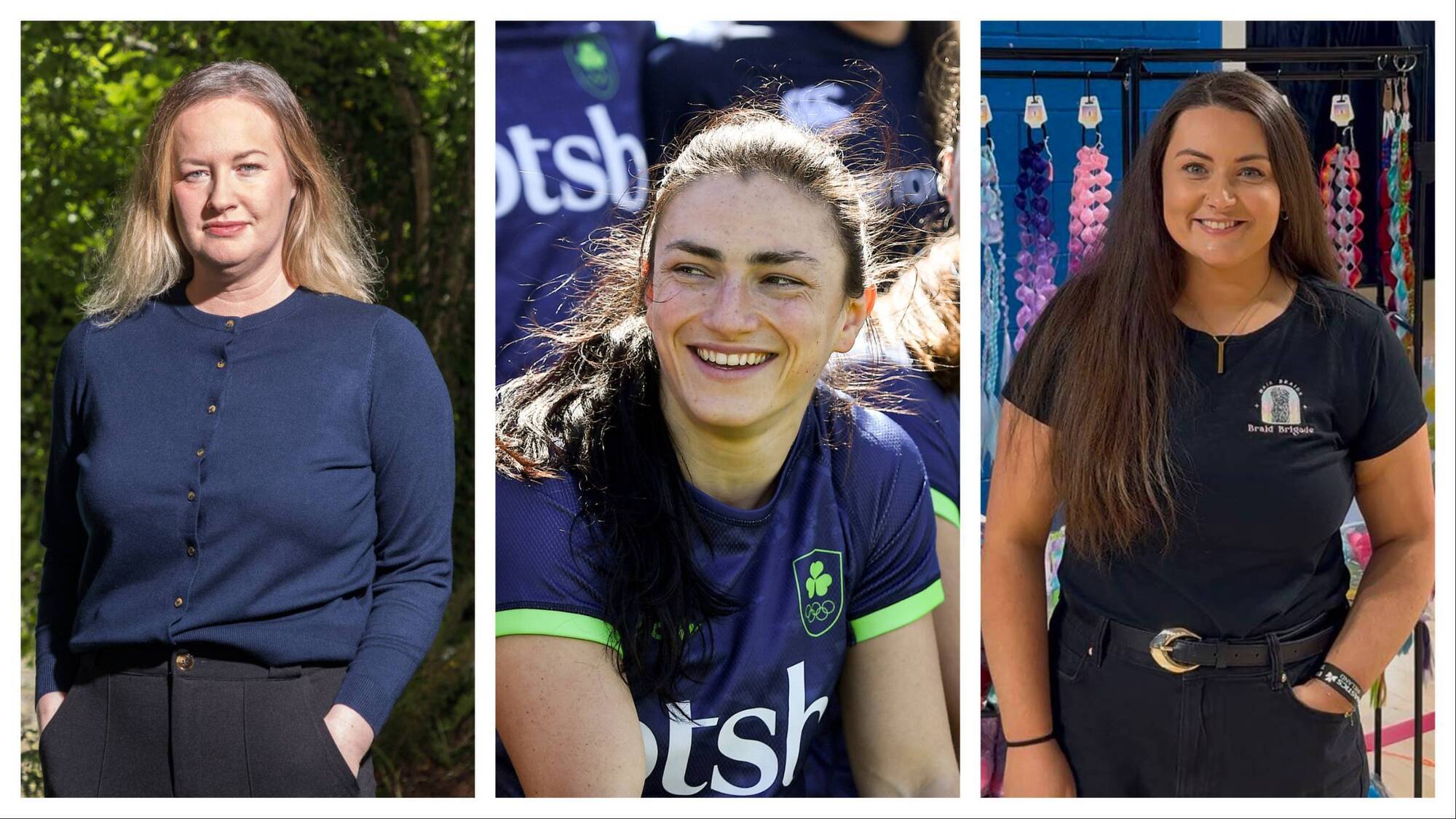
Bríd Ryan of Queen B Athletics (picture: David Creedon); Lucy Rock during the Team Ireland team training for Rugby Sevens at the Paris 2024 Olympic Games Picture: Shauna Clinton/Sportsfile; Clodagh McGlynn, founder Braid Brigade
It is 10 years since Adidas created a milestone moment in sport by producing the first football boots exclusively designed for female players.
After analysing women’s feet — lower insteps, narrower heels and bend, plus different rotational ratios and pressure points from men — they designed boots which also had shorter and smaller studs positioned differently.
Since then other brands have followed in what is an exploding market. In 2023, Fifa estimated 30m women and girls were playing football and aimed to double that by 2027.
With participation and standards escalating across all women’s sport the old adage of ‘shrink it and pink it’ for adapting male sportswear to fit them is no longer tolerated.
Female athletes and their coaches now demand function over form and sportswear design is not only being adapted for what they are wearing on the outside.
Two years ago a start-up by two female Stanford graduates produced Sequel, a tampon with spiral grooves designed to prevent the kinds of leaks that female athletes particularly dread.
“Your tampon was designed by a man in 1931 and hasn’t changed since,” they memorably said, stressing their’s was designed by female engineers and athletes.
Time magazine named it one of the best inventions of 2025 and Sequel now has partnerships with several professional women’s teams, including the WNBA side Indiana Fever (basketball) and WSL team DC Power (soccer).
Cork company Queen B Athletics were well ahead of this increasing female-led design trend when they started in 2013.
“Having been immersed in sport my whole life. I knew the effort women were putting into their sport,” says co-founder Bríd Ryan.
“Back then we were being asked ‘is there even a market for this?’. We said: ‘Yes. The tide is about to turn for women’s sport and we are going to be there, providing kit and championing them’.”
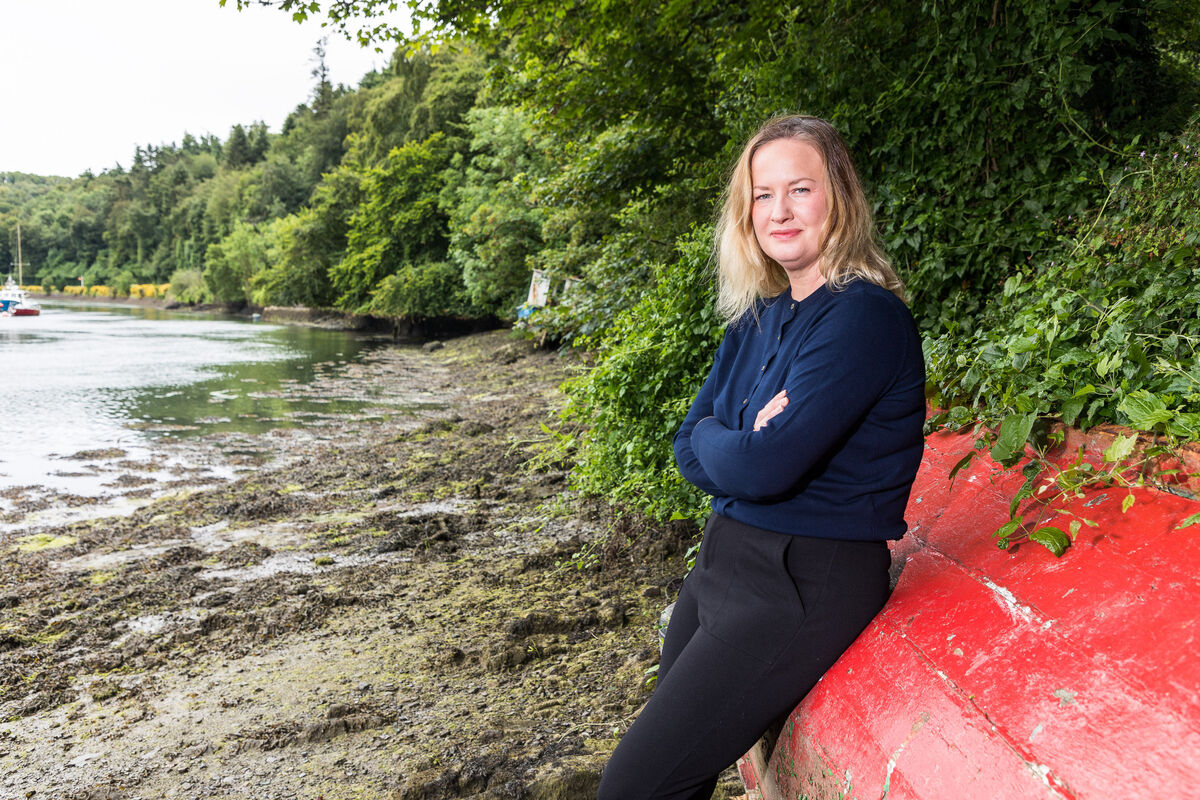
Their exercise gear is now worn by everyone from joggers to Irish international teams and Olympians and she loves to see the ‘Queen B salute’, when customers spot her while exercising and give her a quick flash of their trademark sports bras.
Ryan believes being a small, family company makes them particularly inclusive.
“Initially we designed based on what we felt was a gap in the market and tested it with athletes. Now we design on a feedback loop, consulting with our customers. We take their feedback very seriously and also include them in the design process. If we’re about to launch a sports bra in a certain colour we will show it to our customers and say ‘do you want this?’.”
Companies usually don’t carry low-demand sizes but, by embracing pre- ordering, Queen B can easily cater for requests for a triple XL or triple XS.
They’re now competing with giants like Sweaty Betty and Lululemon but Ryan relishes that.
“We love that it’s a become crowded market because it means women are finally being served.”
Féirla, the brainchild of Meath physiotherapist Margaret Walsh, is a company that has just joined this market with products designed specifically for young female Gaelic players.
A self-confessed “geek about women’s health” who regularly visited youth teams to discuss periods, Walsh wanted to counter the alarming number of girls (43-45%) who drop out of sport.
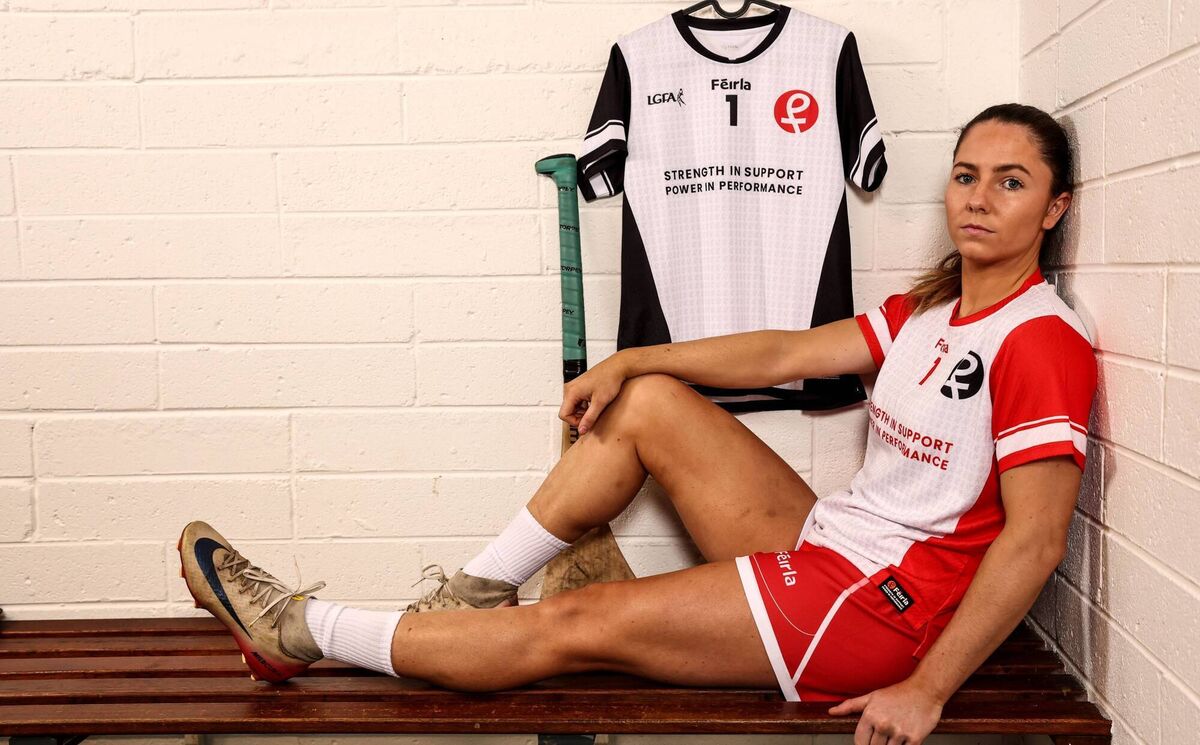
She feels wearing GAA gear designed for boys and men exacerbates this.
Her first products are four types of shorts tailored for teenage girls but already she’s working on an adult range to meet requests from older players, especially the Gaelic4Mothers demographic.
“For far too long, girls and women have stepped onto pitches feeling exposed, self-conscious, or uncomfortable, not because of a lack of talent or ability but because nobody ever designed sportswear with their bodies in mind,” Walsh says.
When she first voiced the need for female-led design (on a health podcast) Walsh was approached by two existing sports clothing companies and even started working with one of them before establishing her own.
“Sportswear is a male-dominated industry and, even with the best will in the world, men don’t know what they don’t know,” she says. “One company’s attitude was that perhaps I was creating a problem that didn’t exist.”
Clodagh McGlynn’s ‘Braid Brigade’ emerged very differently. It was her side hustle of plaiting hair for parties and social events that just organically evolved a sporting strand.
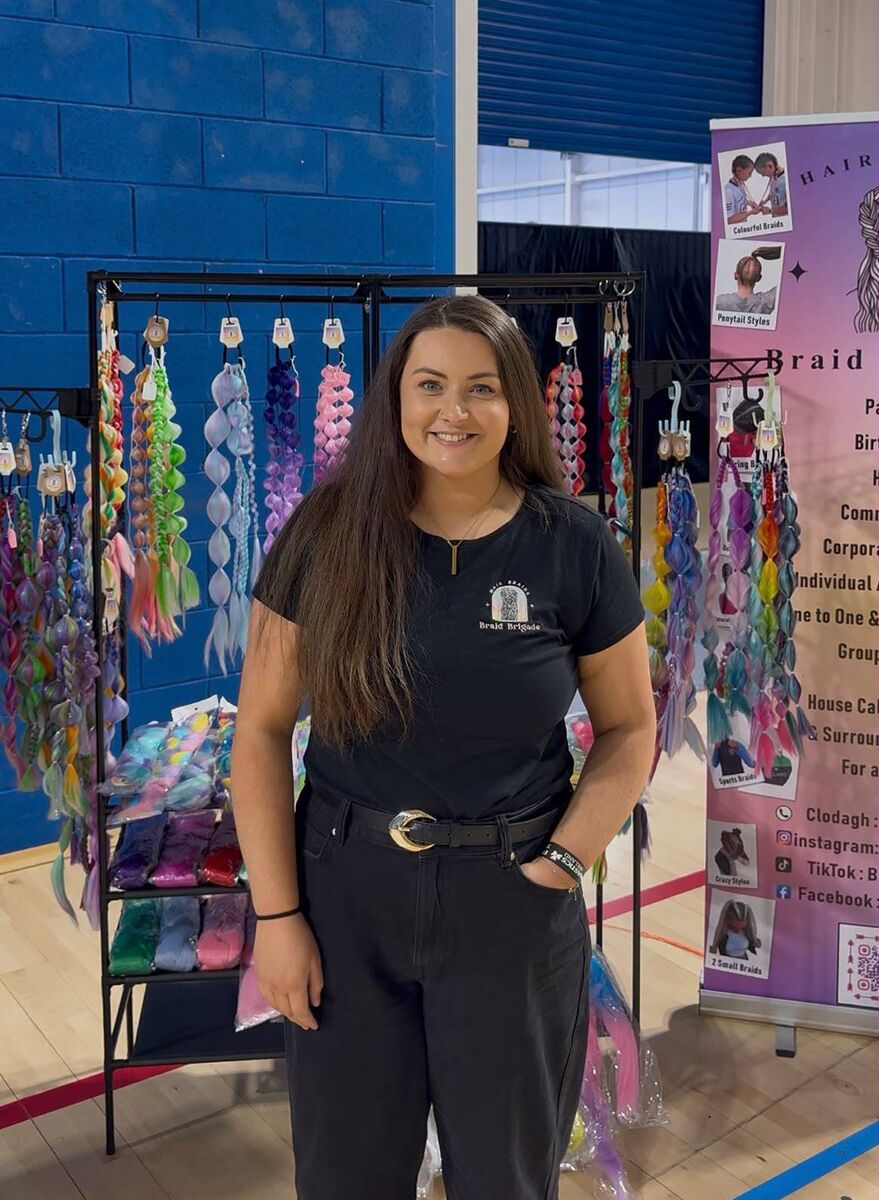
“For athletes there’s the obvious element of it being good to have their hair out of their way but it is also about feeling good and feeling prepared for competition,” she explains.
“We worked at the first ‘Her Moves’ festival in Dublin which was a big event (organised by Sport Ireland) in the National Indoor Arena, looking at why so many teenage girls fall out of sport.
“I think there used to be a disconnect between ‘feeling girly’ and ‘feeling sporty’. There was this idea that they didn’t go together but they absolutely do. It’s accepted now that women want to ‘feel good to play good’, that it’s part of their preparation and empowers them.”
Lucy Rock (nee Mulhall) won an All-Ireland junior football title with Wicklow before switching codes and famously captaining Ireland’s Sevens rugby team to their first Olympics in 2024.
Returning to play GAA highlighted something she had often discussed with Orlaith Curran, the Sevens strength and conditioning coach during Rock’s decade with Ireland, who also plays and coaches camogie.
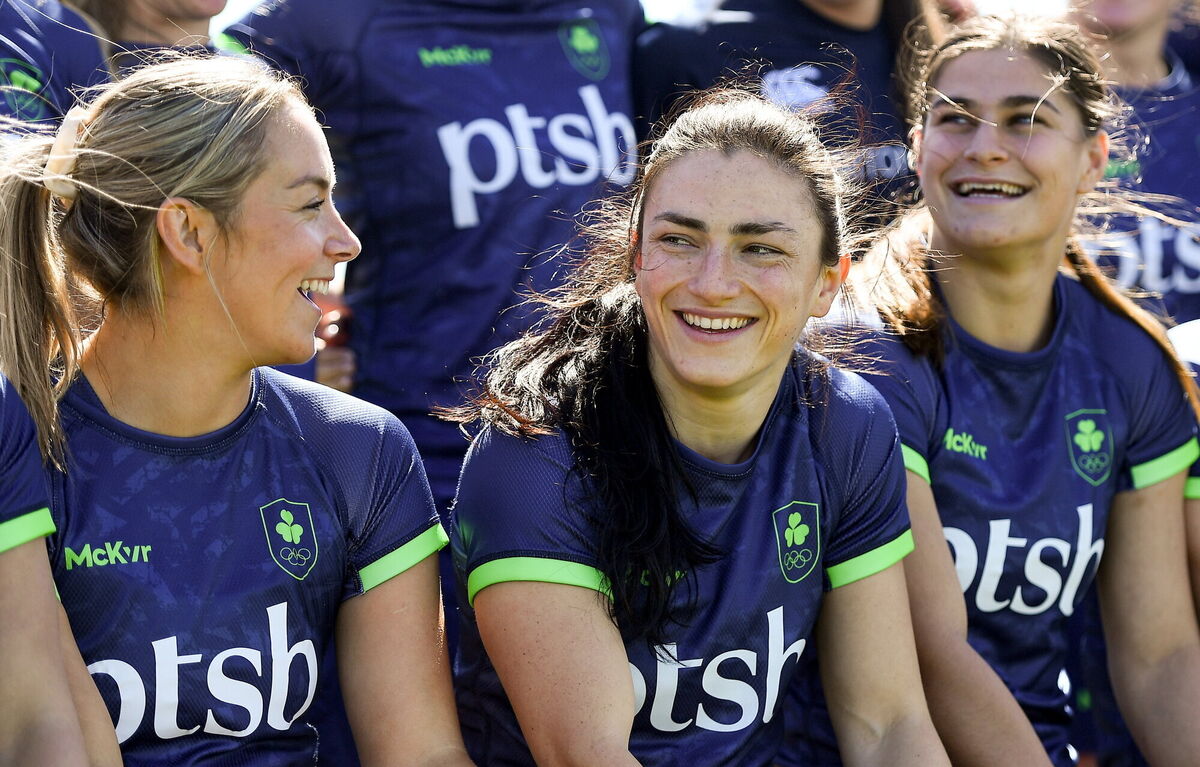
They’ve observed an information deficit about specific training for women’s bodies, even at the top level of amateur sport, so set up ‘Femily’ — a subscription-based, online training business — to address it.
“I jumped out of a highly structured environment with the Sevens where I had loads of access to the best minds and services in sport,” Rock explains.
“I had surgery after retiring and got back to play a bit of GAA with the club last year but ruptured my hamstring all over again. When I went back to GAA, I could see there’s not enough science-based information there for players and it’s the same in club rugby.”
Femily is also targeted at women who want to improve their health and fitness for everyday life.
“An awful lot of the training information being marketed to women online is about calorie counting and losing weight, about how women should look,” Rock observes.
“Our focus is on what women’s bodies can achieve. It’s about celebrating what you can do and understand
ing how to do it better. It’s for someone who couldn’t do a push-up three months ago and can now do 20 of them. It’s to help women be the best they can be.”
Blazing a trail
Queen B Athletics
Founded by Cork sisters Bríd Ryan and Aedín Corbyn in 2013, this sportswear brand grew from Brid’s initial desire to produce customised rowing kit for women.
Having rowed for Ireland up to Under-18 level she had battled with the discomfort of wearing all-in-ones that were designed for men’s bodies.
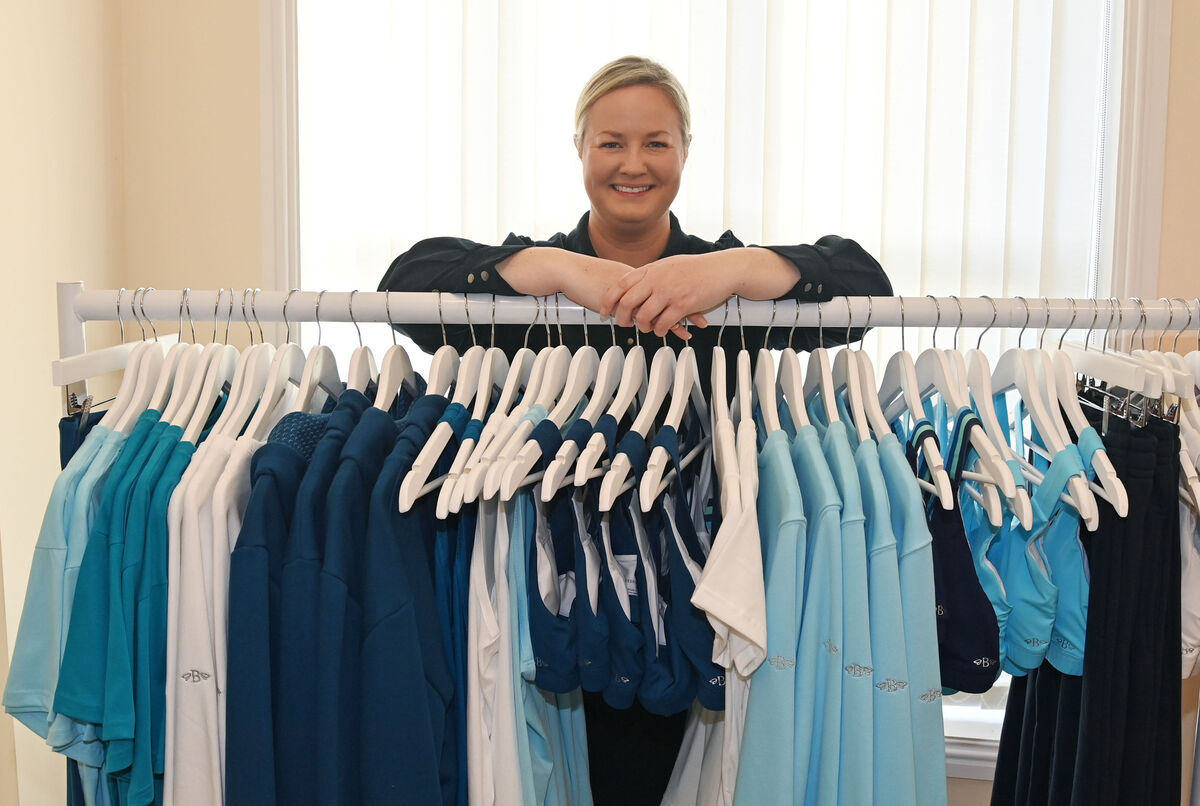
“They were always very low under my arms and made of a kind of cotton blend, so you’d have sweat collect in your crotch and on your arse. I thought, ‘God, wouldn’t it be amazing to tailor these for girls and women and make them functional and beautiful’.”
The idea first struck her while she was working in event management on a cruise ship in the Caribbean.
Aedín was on maternity leave from her project managing job in London at the time. Now they both work full-time in Queen B and what was initially an online business has a ‘shoffice’ in their native Carrigaline.
They bought a van to visit rowing events and gyms across Ireland and the UK and expanded their range to include running gear. Their sports bras are a signature product, resulting in bra partnerships with the Irish hockey and Cork and Dublin camogie teams.
“As a young athlete I was far too embarrassed to discuss sports bras,” Ryan says. “We really wanted to normalise them so they’re just talked about as an automatic and vital piece of women’s kit.”
Each of their products is named after sportswomen or customers who inspire them and they are worn by a broad demographic, from women who jog or compete in Hyrox to Olympians.
“I think there’s huge loyalty there not just because of the quality but because we were screaming about women in sport — and the need to design specifically for them — when nobody else was,” Ryan says. “Our success is vindication for that.”
Féirla
Margaret Walsh, a physiotherapist from Meath has set up Féirla, the first range of sports gear specifically designed for female GAA players which has LGFA approval.
Wearing shorts designed for men’s narrower, flatter hips and bums often makes teenage girls self-conscious so Walsh tailored hers for female bodies in four different designs.
Her brand name Féirla comes from ‘F’ for female, ‘Éir’ (the Irish goddess) and ‘la’ from Neala, an Irish symbol of strength and also her daughter’s name.
Each of the four shorts is also named after a female figure in Irish mythology.
The Eiru is a classic gaelic short but with a narrower, longer leg while also wider in the hips and bottom, ensuring good coverage and comfort from all angles.
The Meabh has a higher, thicker waistband and built-in compression shorts, for those times when girls want to feel more supported.
The Neala short has built-in period underwear with leak-proof and anti-bacterial properties and the Fiadh, with silicon grips on its undershorts, is particularly tailored for high-impact training and competition.
“Comfort is not just a physical feeling, it’s also an emotional one and we believe our shorts let girls know that they are heard and belong in sport,” Walsh says.
“That educational piece is very important to me. I don’t want to be a sportswear brand that just sells things. You can get influencers to wear products to achieve that but, for me, it’s so important to educate girls and women in sport and really service their needs.”
Braid Brigade
Braid Brigade is a hair braiding service which Dubliner Clodagh McGlynn, who works in quality and events, describes as “a side hustle which has got out of hand” and it has evolved to serving female athletes.
Having hair tightly secured and a non-distraction is a high priority for women in contact sports plus there’s also an aesthetic element to hairstyles in sports like gymnastics.
Braid Brigade now works with gymnasts, boxers, MMA, Muay Thai, and Jiu-Jitsu fighters as well as distance runners and Hyrox participants.
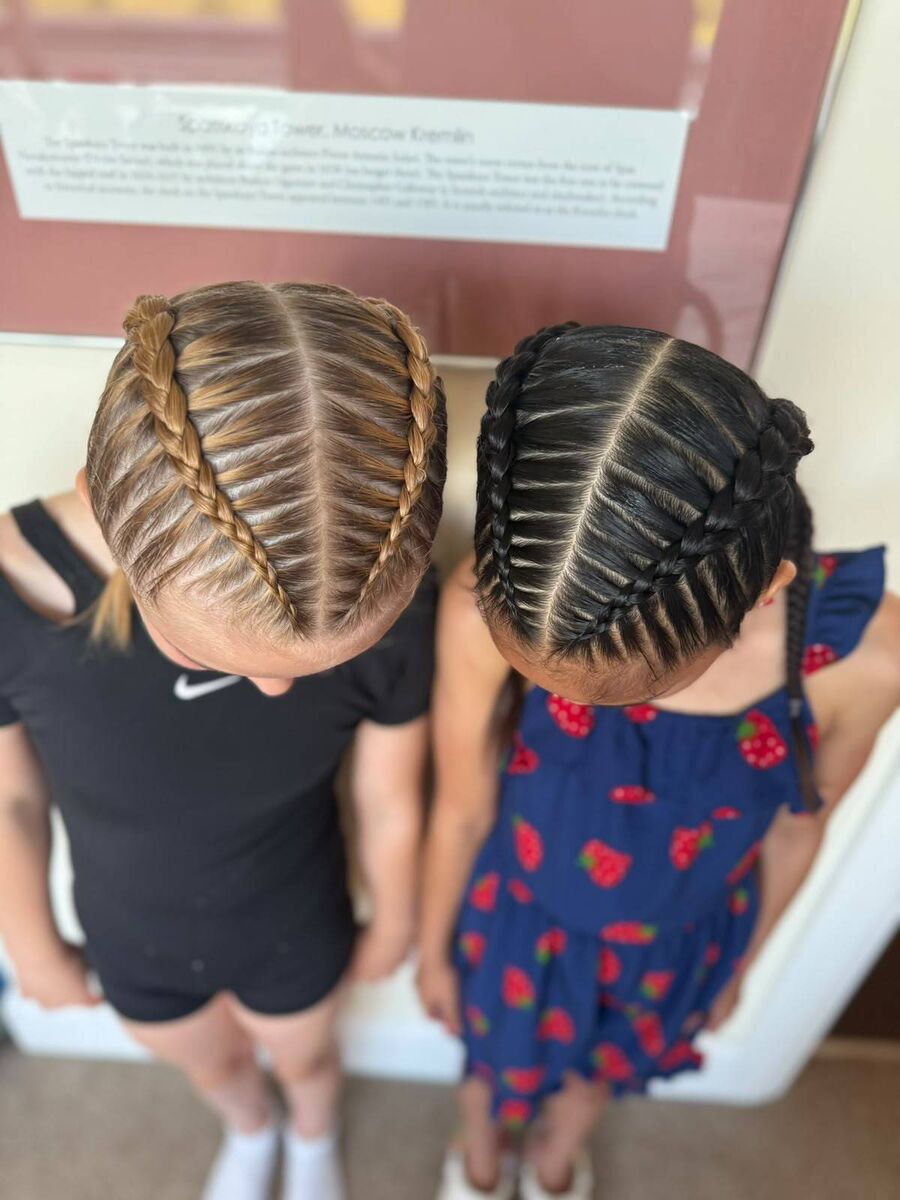
McGlynn and her braiders also work at Gymnastics Ireland’s Nationals and Gymstart events and her most exciting collaboration yet was with the Irish rugby team before last month’s final Six Nations’ game against Scotland.
“Ruth Campbell (lock forward) came to me to get her hair braided for an event not long after last year’s World Cup,” McGlynn explains. “I said I’d love to do the team’s hair at some stage and, when I reached out to herself and Eve Higgins again early this year, they brought the idea to their team manager.”
Braid Brigade also hosted a pop-up station at the IRFU’s ‘Fan Zone’ at the Aviva Stadium before the historic game which attracted a record 31,294 standalone crowd.
“We braided 12 or 13 of the players’ hair at the team hotel the day beforehand and it was obvious that securing it, and looking good, was important to them. It’s practical but it’s also a state of mind and preparation and it showed. They went out and played phenomenally.”
CONNECT WITH US TODAY



Be the first to know the latest news and updates