Sally Foran: The complete guide to skin exfoliation
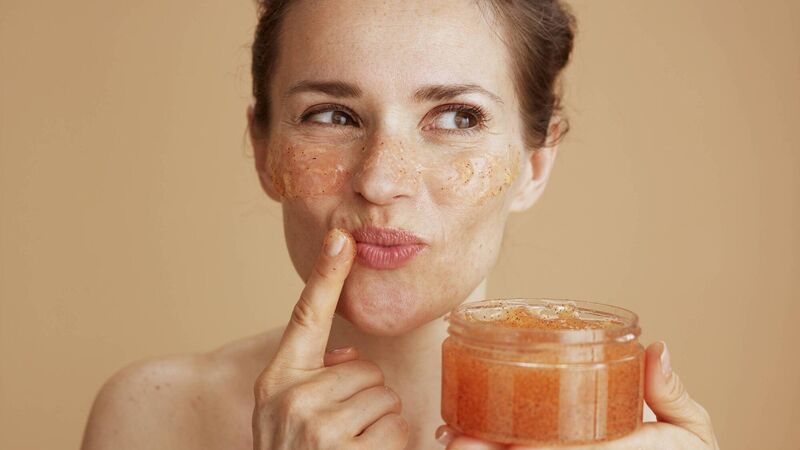
At this time of year, dull and lacklustre winter skin can have us all reaching for exfoliating scrubs to slough away dead skin cells that build up as the skin’s natural exfoliation process slows down. However, it’s important to proceed with caution to avoid damaging the skin barrier.
Overusing exfoliating acids can disrupt the barrier and microbiome, leading to inflammation, dehydration, premature ageing, and pigmentation.
In the past, many of us embraced harsh physical exfoliation (hello apricot scrub!) in pursuit of smooth skin, but these gritty products often did more harm than good. Large particles can cause micro-tears, assaulting our delicate facial skin. Nobody needs to take a brillo pad to their face (feet are another matter...)
Thankfully, exfoliation has evolved from rough physical scrubs to gentler methods that don’t compromise our skin barrier — as long as we are using them correctly.
So, why do we need to exfoliate at all? Regular exfoliation removes dead skin cells, resulting in smoother, clearer, brighter, more youthful-looking skin.
It also allows skincare products to absorb better as active ingredients can’t deliver results if they can’t penetrate the skin.
Exfoliants are available in cleansers, toners, serums, masks, and toning pads. Cleansers tend to be the gentlest as they stay on the skin for the shortest time. Bear in mind that using a flannel also provides exfoliation, so factor this into your routine.
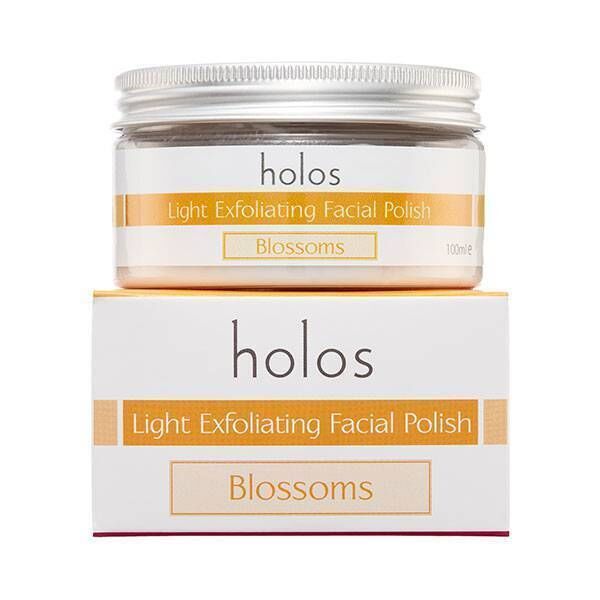
Manual or mechanical exfoliators use fine particles to buff away dead skin cells from the surface, delivering immediate smoothness and improved texture. Today’s versions are far gentler than scrubs of the past, but you should approach with caution if you suffer from sensitive or dry skin.
- Try it: Holos Blossoms Light Exfoliating Facial Polish, €25, holos.ie
These exfoliants use acids to dissolve the bonds holding dead skin cells together. There are three main categories: BHAs, PHAs, and AHAs.
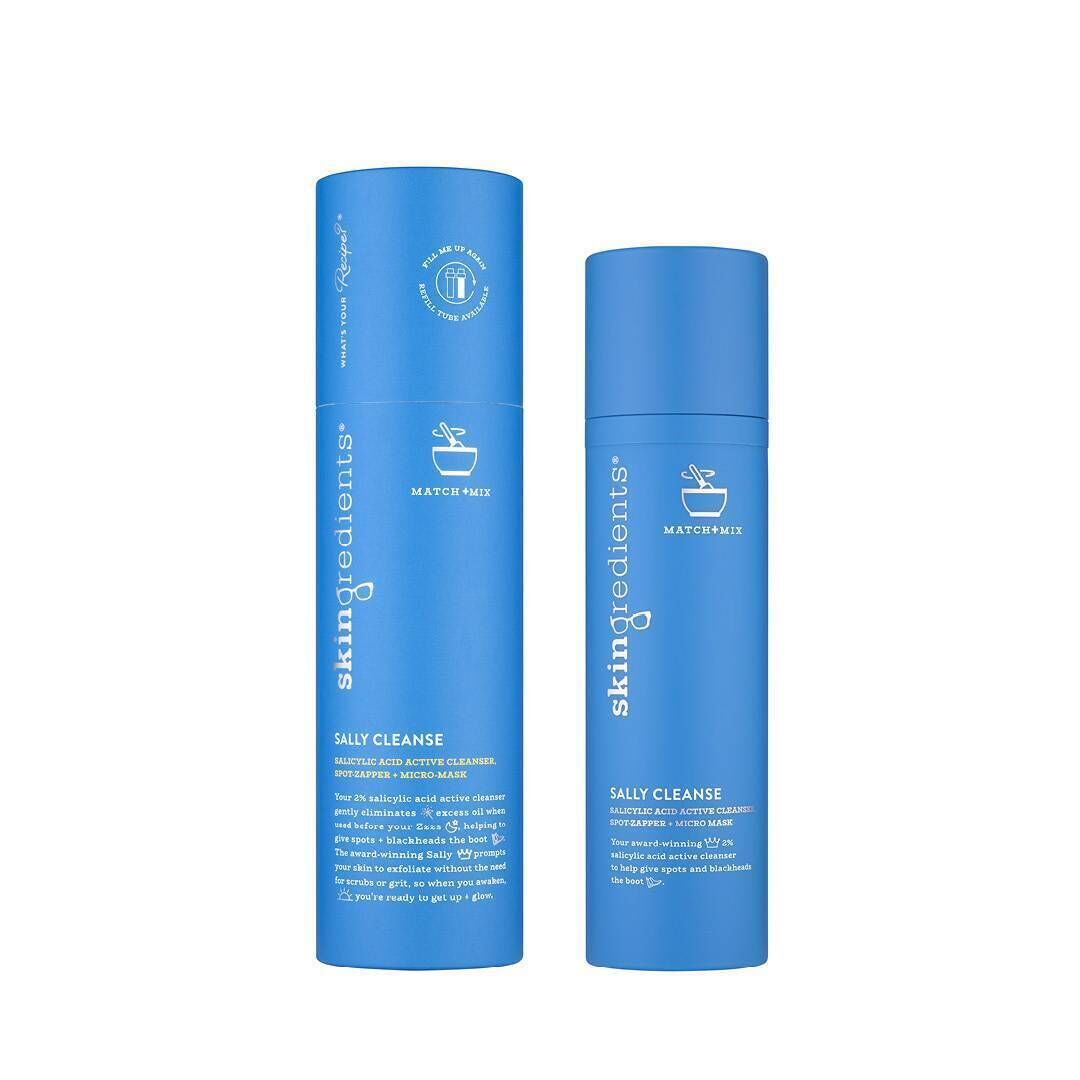
Salicylic and benzoic acids suit oily, congested and acne-prone skin.
Salicylic acid is oil-soluble, allowing it to penetrate deep into pores and hair follicles to clear blockages from within.
It also reduces surface bacteria, controls oil, calms inflammation, and prevents pores from refilling with consistent use.
It’s effective for blackheads, breakouts, ingrown hairs, post-shaving bumps, bacne, and mild pigmentation.
Avoid if allergic to aspirin, and high doses may not be suitable during pregnancy.
- Try it: Skingredients Sally Cleanse, €33, Meaghers Pharmacy
PHAs such as gluconolactone and
lactobionic acid have larger molecules, making them gentler than AHAs.
They’re ideal for sensitive, reactive, red or inflamed skin and also offer hydrating and barrier-repairing benefits.
- Try it: Neostrata PHA Pads, €36, Millies
These include glycolic, lactic, citric, mandelic, tartaric and malic acids.
Best suited to normal, dry or sun-damaged skin, they smooth fine lines, brighten dullness, and fade pigmentation. Glycolic acid is the strongest exfoliating and not suitable for everyone.
Its small molecular size allows deep, fast penetration, which can increase the risk of irritation, particularly for sensitive or Celtic skin types. Start low (5%-12%), increase slowly and always follow your skin’s response.
Benefits include collagen stimulation, smoother lines and increased hyaluronic acid production.
- Try it: Pestle & Mortar Exfoliate, €31, Cloud 10 Beauty
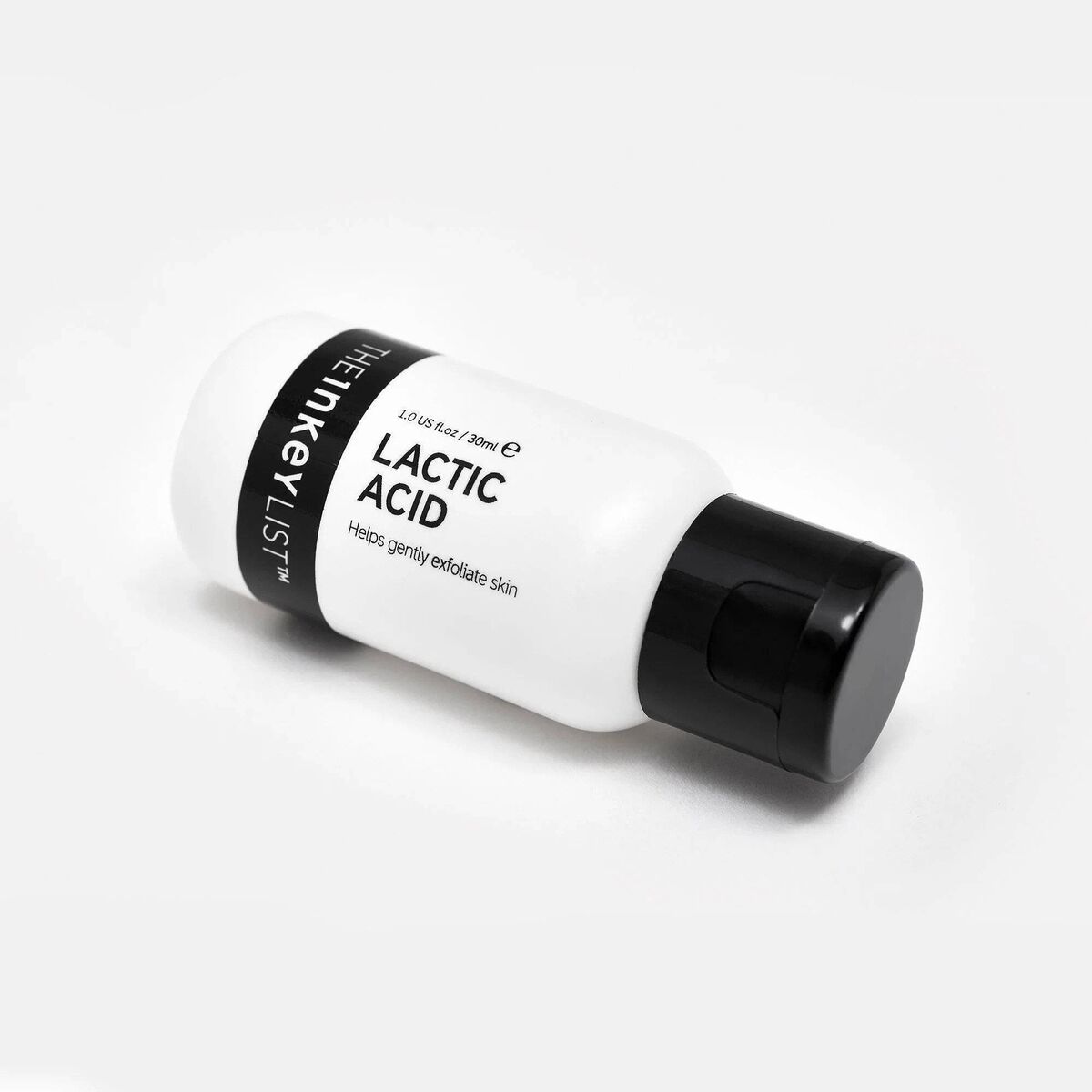
If glycolic is too strong, lactic acid is a great alternative. With larger molecules, it works more slowly, causes less irritation, hydrates dry skin, and is considered safer during pregnancy.
- Try it: The Inkey List Lactic Acid, €14, Space NK
Mandelic is one of the lesser-known acids. It is as effective as glycolic for pigmentation but far gentler. Its larger molecules penetrate slowly, reducing redness and irritation.
It also inhibits melanin production, making it ideal for darker skin tones, melasma and cystic acne. Use at five to 10%, two to three times per week.
- Try it: The Ordinary Mandelic Acid, €9, Boots
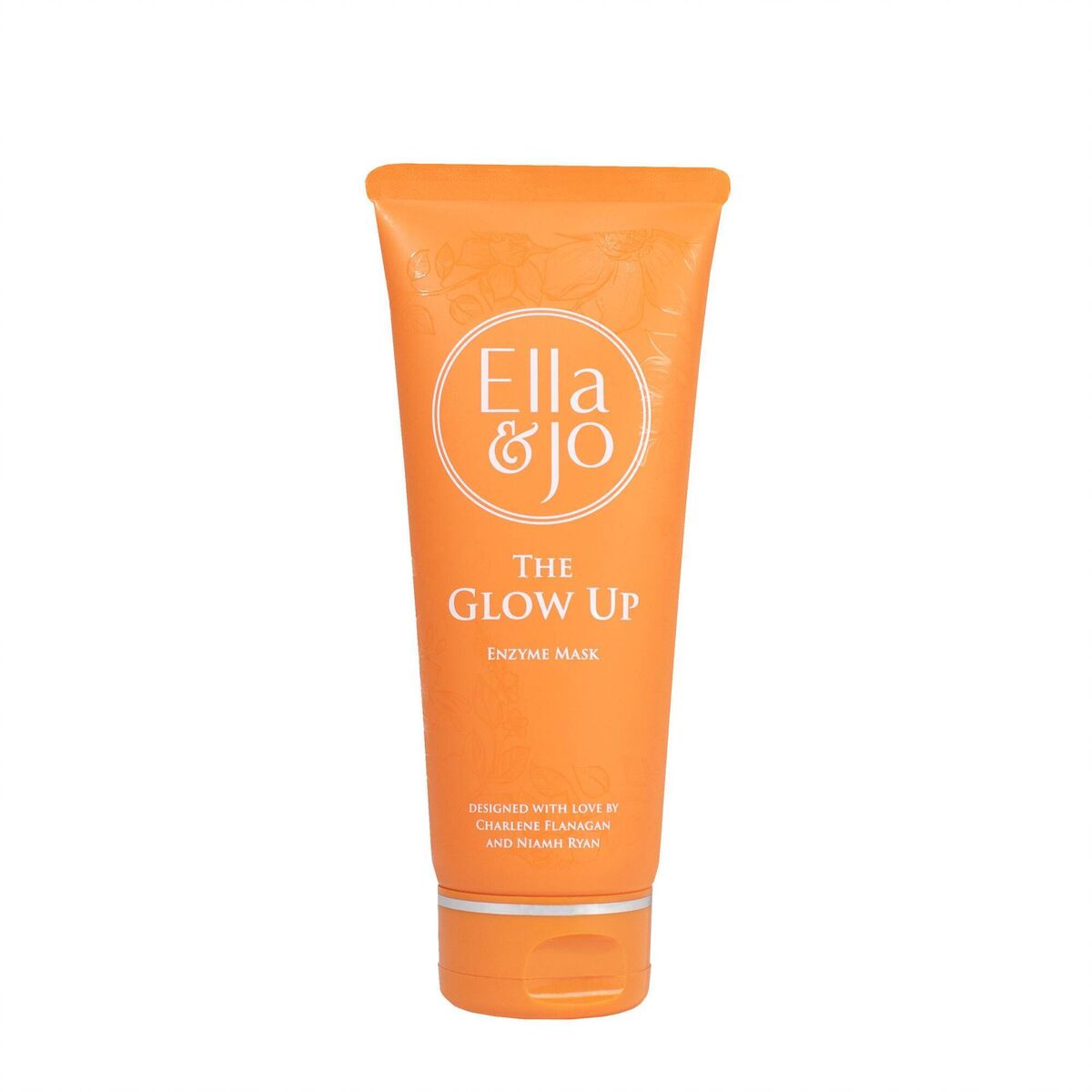
Enzymatic exfoliators are ideal if you’re new to exfoliation, have sensitive skin, are pregnant, or can’t tolerate acids. Derived from fruits such as papaya, pineapple, or pumpkin, they work like tiny pac-men, gently “digesting” dead skin cells without irritation. They don’t disrupt the skin’s pH or weaken the barrier.
- Try it: Ella & Jo The Glow Up Enzyme Mask, €36, McCauley Pharmacy
Use only one exfoliating acid unless they’re combined in a single product. Apply two to three times weekly (less if sensitive). Avoid combining with
vitamin C, retinol or prescription retinoids unless formulated together.
Always wear SPF, as exfoliants increase sun sensitivity. Tingling is normal; stinging is not. If irritation occurs, stop for two weeks and focus on barrier-repairing products.

CONNECT WITH US TODAY



Be the first to know the latest news and updates