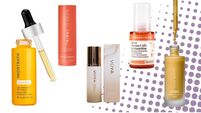
Sally Foran: How to repair and protect your skin's barrier — and why it matters more as we age

Beauty editor Sally Foran offers advice, and her favourite products, to repair a damaged skin barrier 
Sally Foran: How to repair and protect your skin's barrier — and why it matters more as we age

Redness, dryness, irritation, itchiness, broken capillaries and increased sensitivity can all be indicators of a damaged skin barrier

How to repair and protect your skin’s barrier — and why it matters more as we age Everything works better when your barrier is happy. Barrier — and microbiome —supporting products are essential for long-term skin resilience, especially for those with sensitive or compromised skin. They’re the foundations of any effective skincare routine, not just for barrier health, but for overall skin health and slower ageing.
Most of us now know that collagen and hyaluronic acid levels drop as we age, but did you know this also applies to ceramides?

Ceramides are naturally occurring lipids fats found in the outermost layer of our skin which make up 50% of the skin barrier. They are essential for its health, as they help it retain moisture and stay hydrated. The more ceramides you have in your skin, the healthier and more youthful it looks. As our skin ages, it also becomes more difficult to repair a damaged skin barrier (making barrier repair products even more important).

Signs that your skin’s barrier is damaged? Look for redness, dryness, irritation, itchiness, broken capillaries and increased sensitivity, which can all be indicators.

What causes a damaged skin barrier?

Our skin barrier can take a battering at this time of year, in particular. Whether it’s from the cold weather outside, or central heating inside, both rob moisture from our skin, which can cause it to become dehydrated and feel tight, sensitive, chapped, flaking, uncomfortable, and irritated.

Other causes of a damaged barrier can include environmental factors like pollution, UV rays and bacteria, as well as lifestyle factors such as smoking, using hot water, using too many active ingredients, exfoliating too much, harsh peels, and even stress.

All of these deplete the vital ceramides in our skin, which are important for keeping the barrier strong, resulting in dehydrated and visibly aged skin. Sunscreen is vital for protecting the skin barrier, even in winter, as 90% of UV rays can penetrate cloud, so don’t skip this step just because there’s no sun.

A surprising culprit can also be micellar water, as it contains surfactants, which are tiny cleansing agents that grab onto oil and dirt on your skin. While they help remove impurities, they can also strip away the natural oils that are crucial for maintaining a healthy skin barrier.

How to repair a damaged barrier

Applying ceramides directly to the skin helps protect this vital barrier by retaining moisture and preventing dehydration, and they also have anti-inflammatory properties that help restore balance to your skin.

Avoid the use of actives — switch to gentler alternatives like bakuchiol or peptides instead of retinol, other antioxidants like Q10 instead of vitamin C, and PHA exfoliants instead of AHAs or BHAs until the barrier repairs itself. Active ingredients can’t work on an impaired barrier, so you’d be wasting your time and money using them on damaged skin, as it won’t benefit from them, not to mention that it’ll make the problem worse and accelerate ageing.

Switch to a non-foaming cleanser, as lathering cleansers have an alkaline pH which can strip away the barrier that protects skin from drying out.
Always use lukewarm water to rinse rather than hot, as hot water pulls moisture out of the skin.

Use a moisturising essence — they’re packed full of humectants, water-attracting ingredients such as glycerin and hyaluronic acid. Apply a hydrating serum when your skin is still damp, and lastly a moisturiser to seal everything in. Choose rich cream masks over sheet masks.

Try the ‘no touch application method’. Reactive skin often gets irritated by physical contact; sprays go on without rubbing, which reduces the chance of triggering redness or flare-ups, and many contain calming ingredients that reduce inflammation and soothe irritation. Reactive skin is often dehydrated, so fine mists can deliver a layer of hydration quickly, helping to reinforce the skin barrier without overwhelming it, and some help rebalance the skin’s pH after cleansing, which is important as reactive skin is usually more sensitive to pH changes.

Having a humidifier in your room can also help, as can shorter, cooler showers. Approach your body care like your face — skin can get very dry because we wear so many clothes when it’s cold, and fabric absorbs moisture. So again, keep the shower lukewarm, use a gentle shower gel, and apply a body cream.

Consider upping your intake of omega-3, which is linked to a healthy skin barrier. Oily fish (salmon, sardines, mackerel), flaxseeds, chia seeds, and walnuts are all naturally high in omega-3. If supplementing, look for one providing EPA and DHA.

Our barrier-repairing hero products

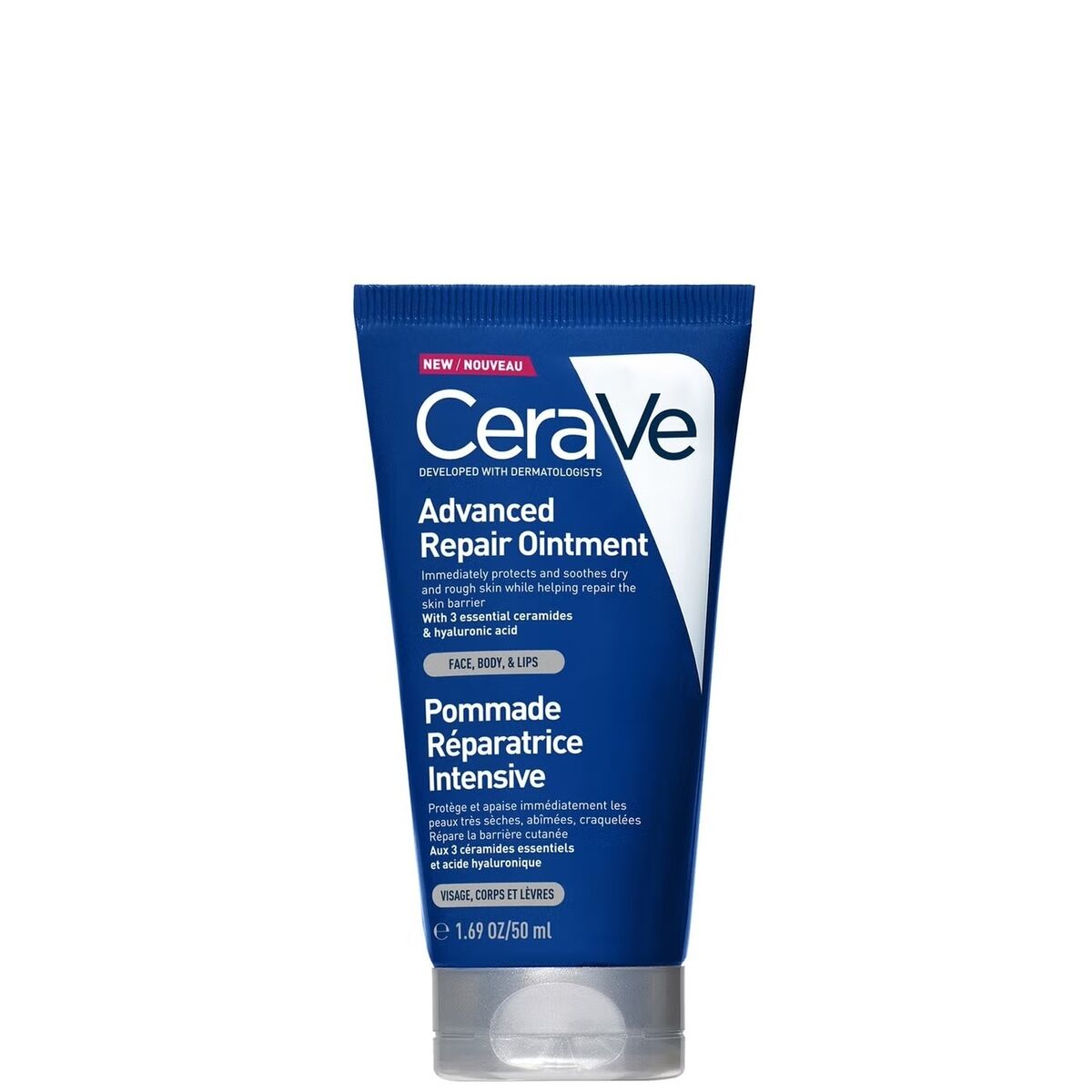
1. CeraVe advanced healing ointment €13, Meaghers Pharmacy

CeraVe advanced healing ointment €13, Meaghers Pharmacy

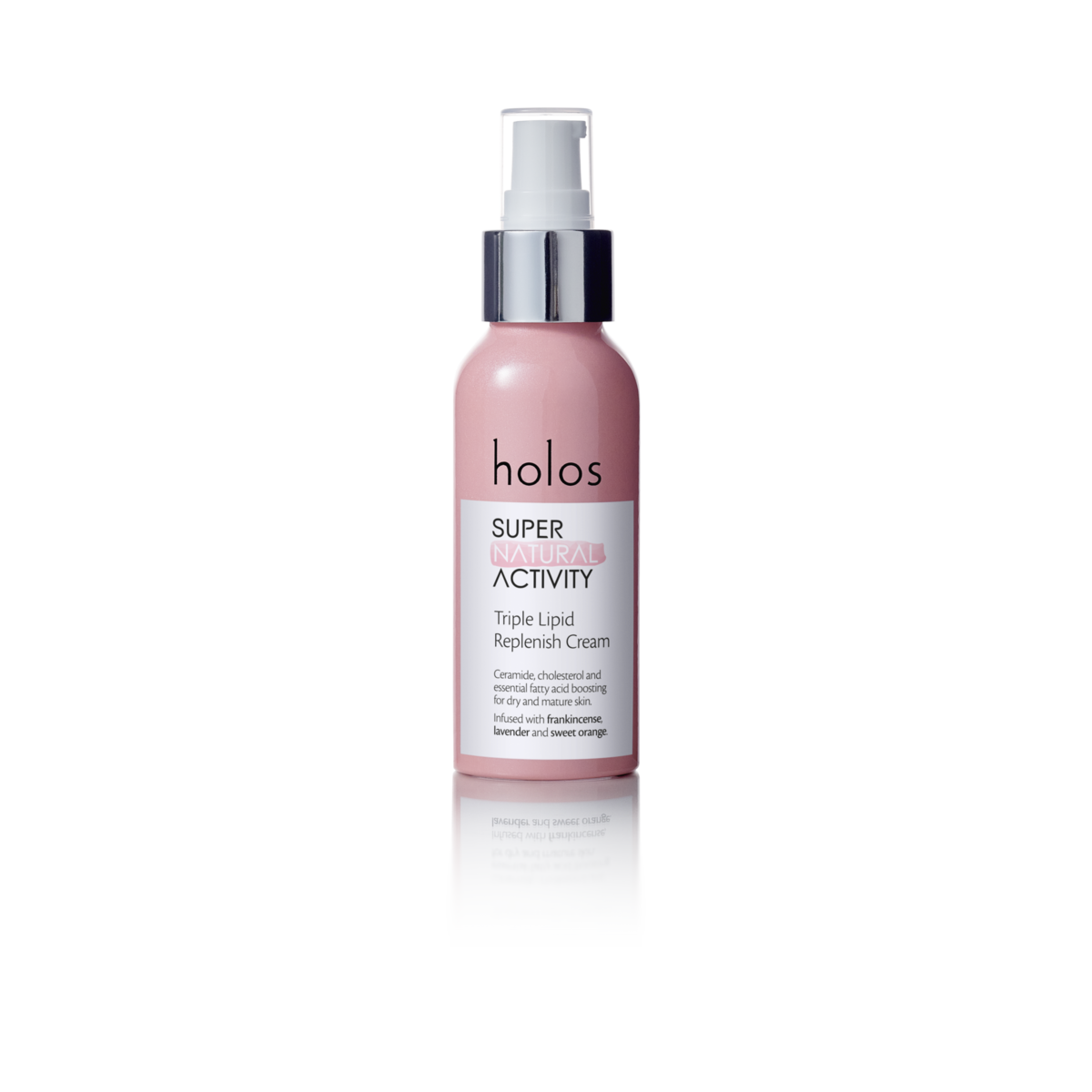
2. Holos triple lipid replenish cream, €42, holos.ie

Holos triple lipid replenish cream, €42, holos.ie

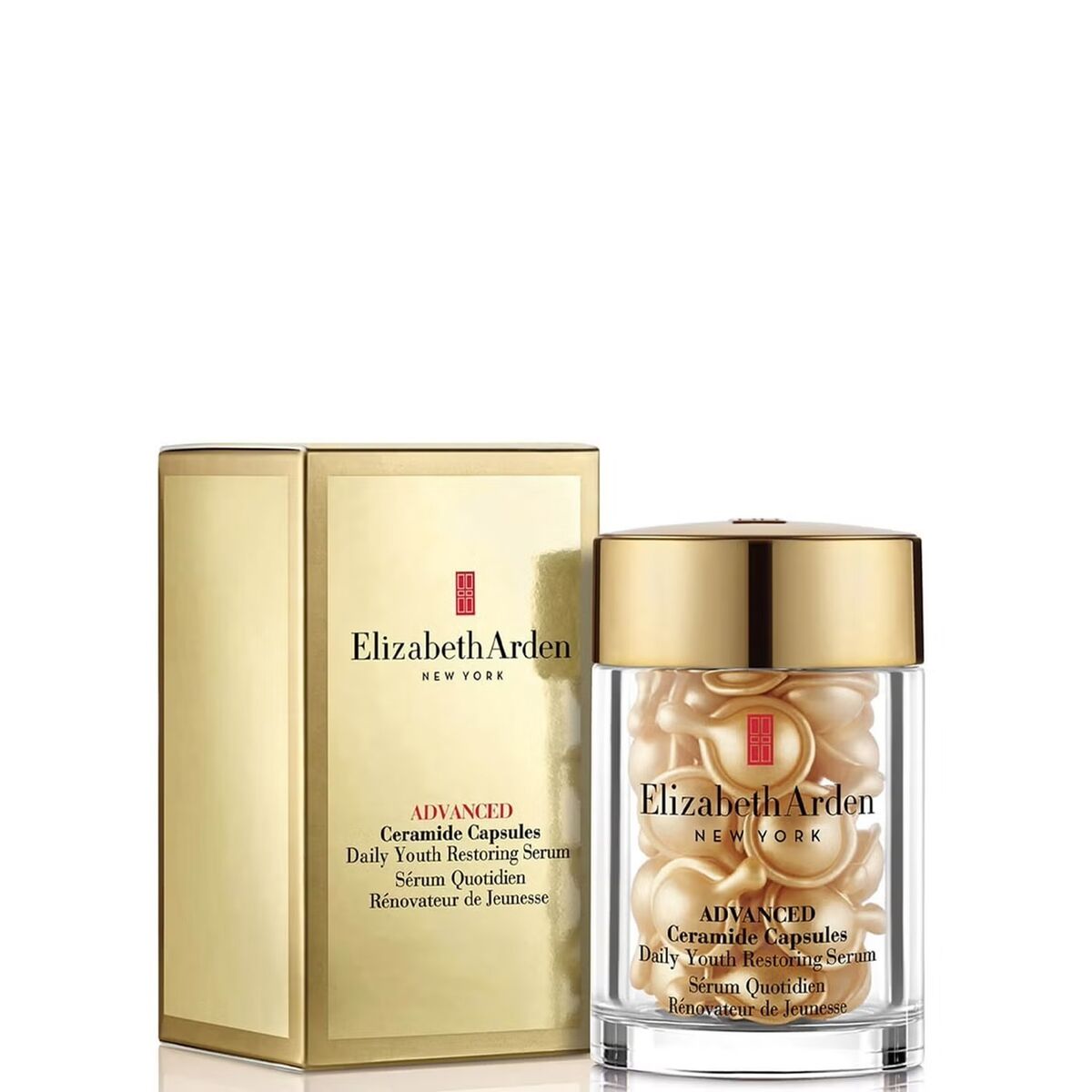
3. Elizabeth Arden ceramide capsules, €108, Look Fantastic

Elizabeth Arden ceramide capsules, €108, Look Fantastic

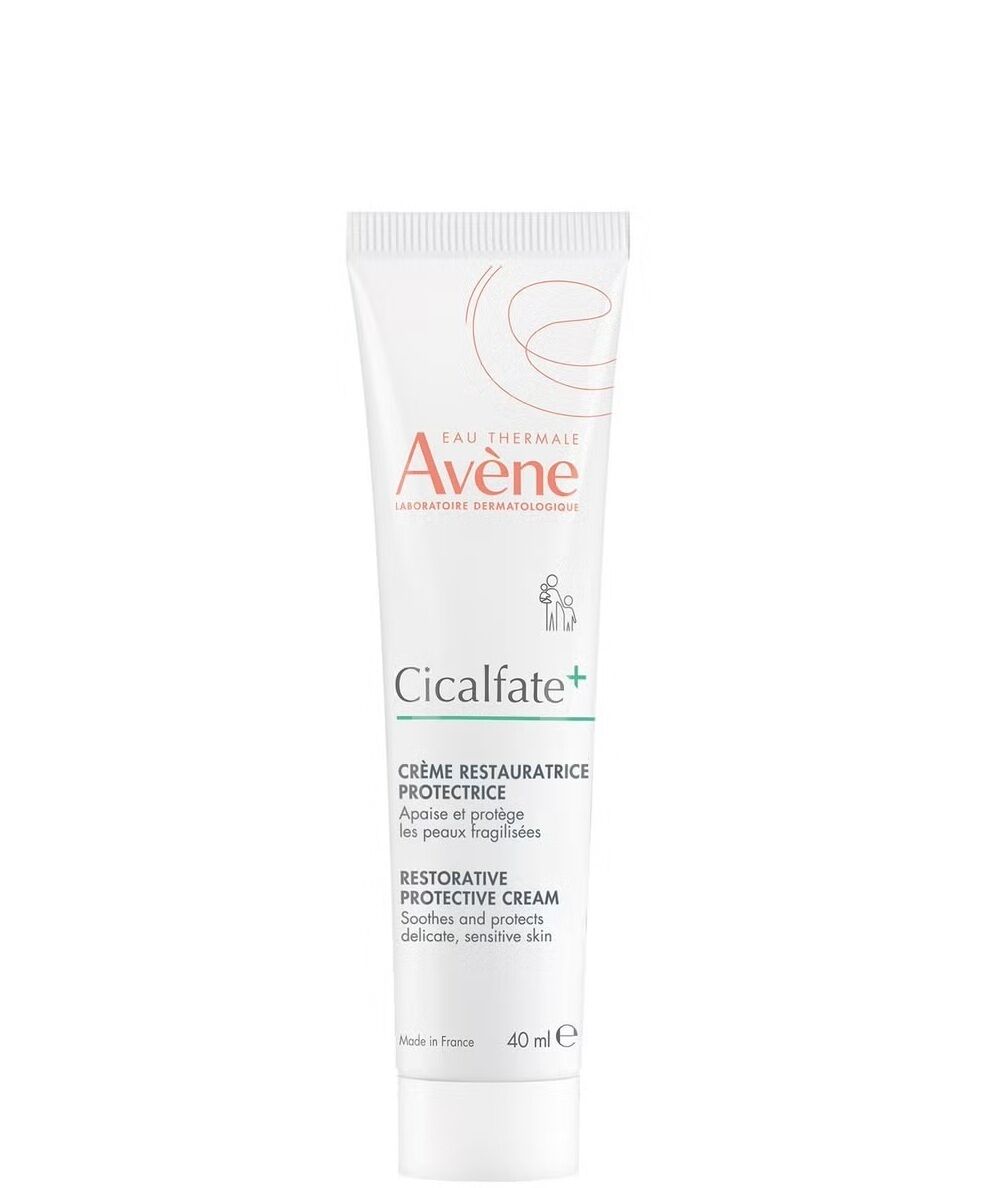
4. Avene cicalfate, €16, Allcare Pharmacy

Avéne cicalfate, €16, Allcare Pharmacy
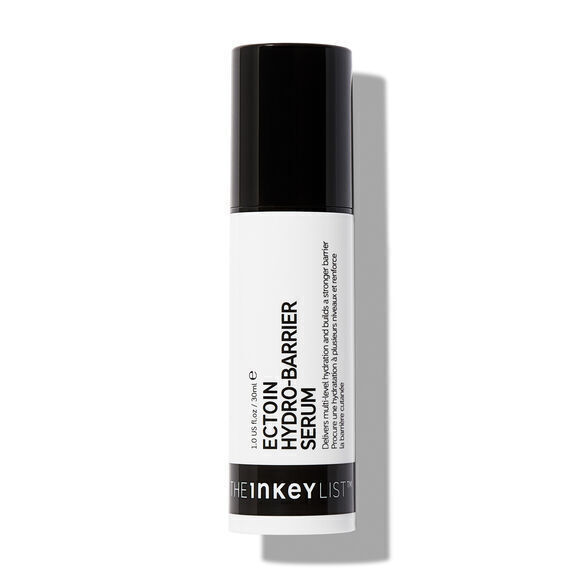
5. The Inkey list ectoin hydro barrier serum, €16.99, McGorisks 

The Inkey list ectoin hydro barrier serum, €16.99, McGorisks

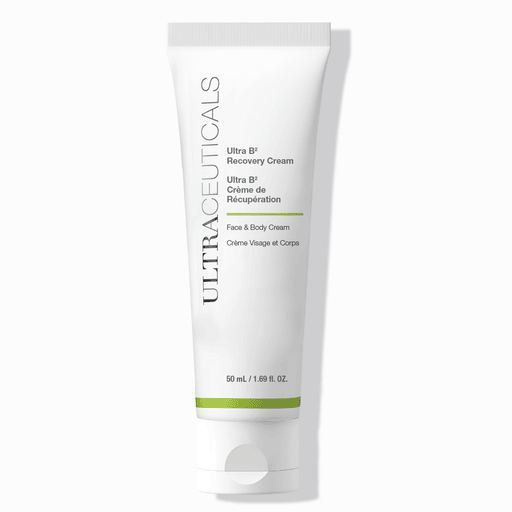
6. Ultraceuticals Ultra B recovery cream, €46.50, South William Clinic

Ultraceuticals Ultra B recovery cream, €46.50, South William Clinic

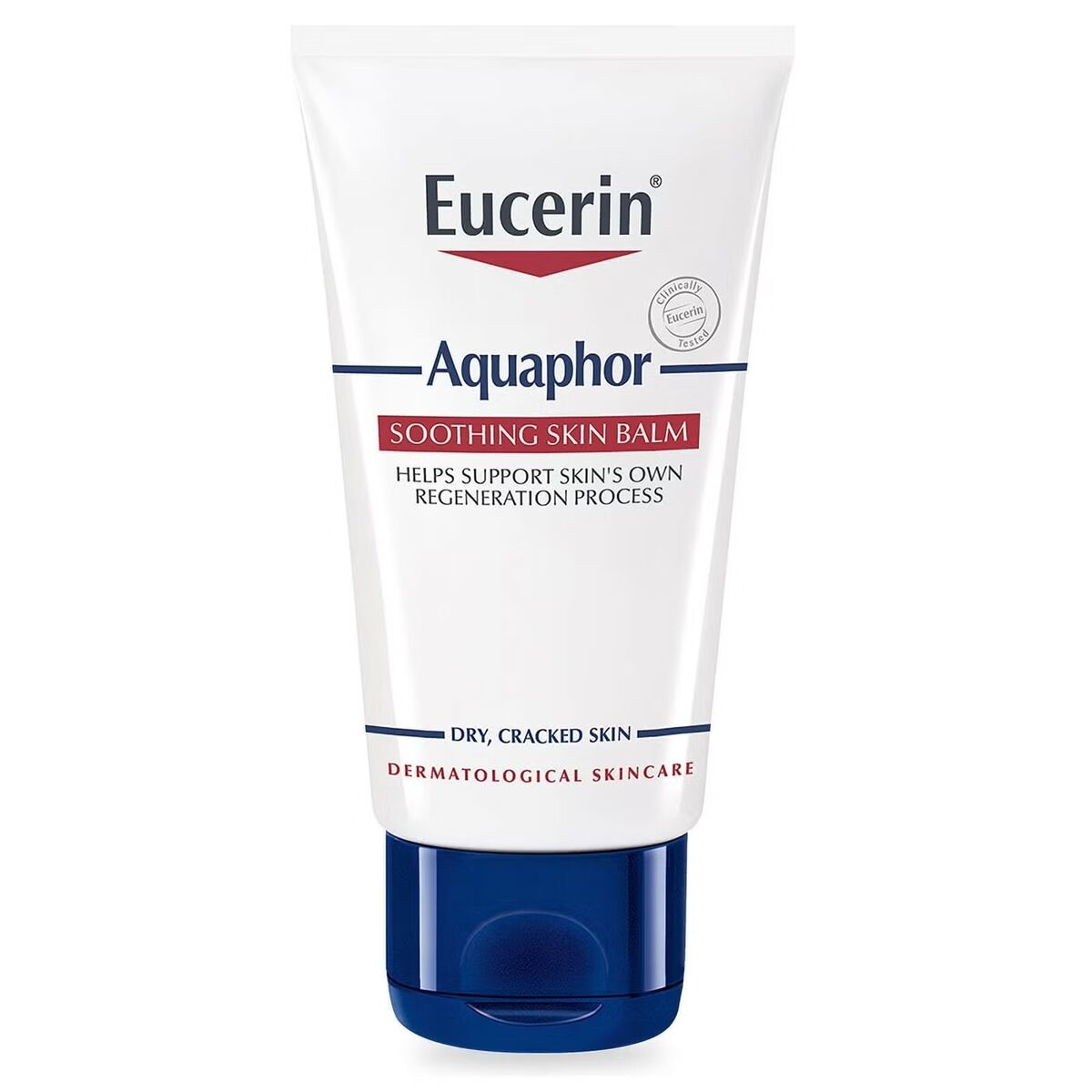
7. Eucerin Aquaphor ointment, €14, Millies

Eucerin Aquaphor ointment, €14, Millies

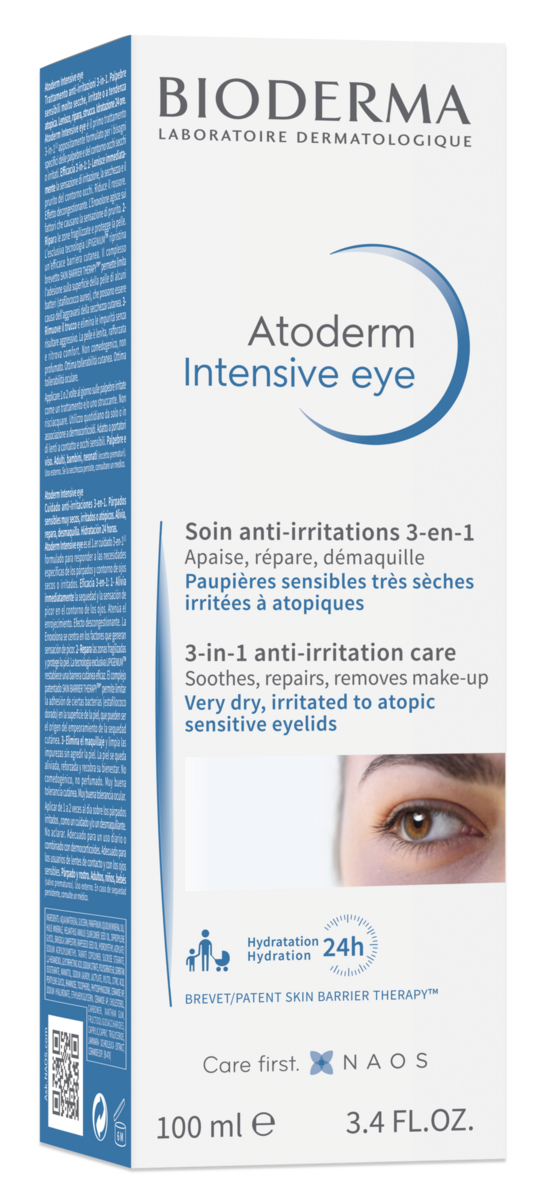
8. Bioderma Atoderm Intensive Eye Cream, €19, Boots

Bioderma Atoderm Intensive Eye Cream, €19, Boots

  • Prices subject to change

x

More in this section

Lifestyle

Newsletter

The best food, health, entertainment and lifestyle content from the Irish Examiner, direct to your inbox.

Cookie Policy Privacy Policy Brand Safety FAQ Help Contact Us Terms and Conditions

© Examiner Echo Group Limited