The Skin Nerd: Five ways to select a SPF you’ll love – and why it’s important
"Those of all ages, genders and ethnicities can experience skin damage because of UV exposure and so I advise that everyone applies a broad-spectrum SPF with a high factor – that’s at least SPF 30, but ideally SPF 50 for maximum protection."
The Skin Nerd: Five ways to select a SPF you’ll love – and why it’s important

The Skin Nerd: Five ways to select a SPF you’ll love – and why it’s important

We’re finally starting to see some bright rays of sunshine poking through the clouds, and it’s got me really looking forward to the warmer months and all the things that the nicer weather allows us to experience! 

Whatever season you are drawn to most, walks along the beach and barbeques are two traditions that don’t have the same effect without the warm sunshine, so bring it on – but remember to protect your skin with sunscreen during the day!

Many of you (especially regular readers of this column) will now be aware that sunscreen use is vital all year long. Whether you are experiencing 12 hours of non-stop rain or a snowstorm, in the middle of January or on the chilliest December day, sunscreen should be applied – and reapplied, as appropriate) daily.

This is because UV rays can penetrate through the clouds, which means you’re not protected from potential skin damage even when you cannot see the sun. 

Exposing your skin to UV rays without adequate sun protection can accelerate skin ageing, which can lead to dark spots, wrinkles and fine lines, as well as a possible increase in dullness and laxity. 

What is more, UV rays can also cause skin cancer - the most common type of cancer in Ireland, with over 13,000 new cases diagnosed every year. 

9 out of 10 of these cases are caused by UV rays or sunbeds, so as startling as these figures are, we can proactively protect ourselves as much as possible.

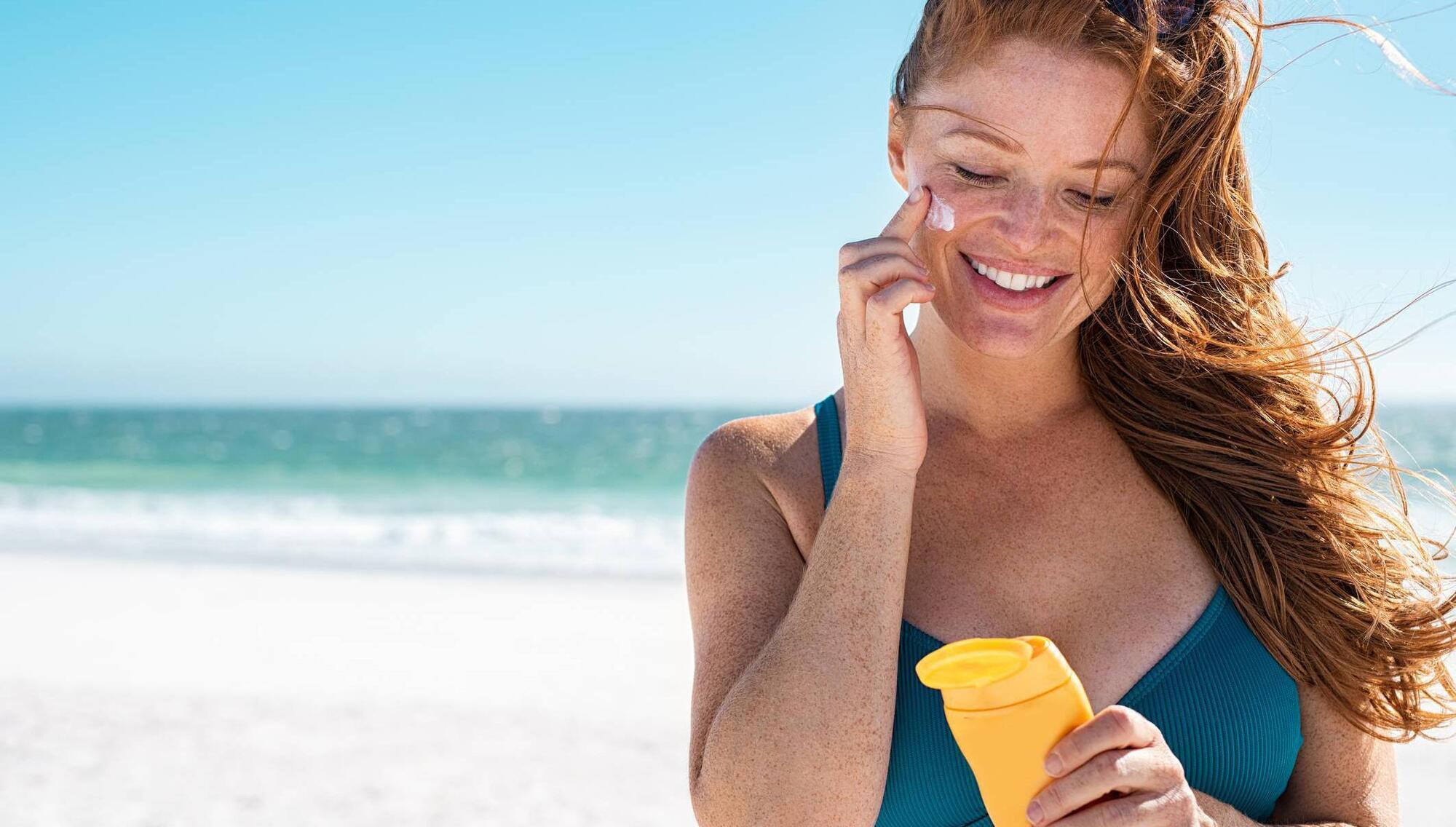
Those of all ages, genders and ethnicities can experience skin damage because of UV exposure and so I advise that everyone applies a broad-spectrum SPF with a high factor – that’s at least SPF 30, but ideally SPF 50 for maximum protection. 

Apply your chosen SPF to everywhere that’s exposed to the sun and ensure that you reapply frequently.

So, now that we are fully aware of its importance, today I will provide a comprehensive guide to choosing a SPF that you’ll love to use. Finding the one may be tough, but I promise your formula is out there and once you find it, you won’t go back!

Look for one labelled as broad-spectrum

The term broad-spectrum means that it protects against UVB and UVA rays. 

If an SPF protects against UVA rays, the INCI list will contain at least one of the following active ingredients: zinc oxide, titanium dioxide, avobenzone or Tinosorb. 

If the product does protect against UVA rays it should also have a PA +++ rating.

This rating system was developed to represent how much UVA protection a product offers and so is a useful guide to be aware of. 

An example of how this works is if a sunscreen is labelled as PA+, it will have low protection, mainly contributed by between two and four UVA filters, whilst sunscreens with PA+++ and PA++++ symbols represent products that are composed of more than eight UVA filters and provide a high sunscreen efficacy.

Select a high factor

Make sure that the SPF has a high factor – SPF 50 is preferable but in general, I recommend products with SPF 30 at least. 

The Sun Protection Factor (SPF) rating measures how much UVB protection a product gives and so a product with a higher SPF will shield more of the sun’s rays, however, it is worth noting that the level of protection doesn’t increase as dramatically with a higher rating as you may expect. 

Research has shown that a SPF 30 sunscreen will protect your skin from 97% of the sun’s UVB rays, while an SPF 50 sunscreen will shield your skin from 98% of UVB rays. 

Yes, this might seem like a tiny difference, but the added 1% protection that a SPF 50 product provides over a prolonged period can make a significant impact on your long-term skin health.

Opt for a dedicated SPF

Studies suggest that makeup and moisturisers containing SPF do not provide as much protection per application as a dedicated sunscreen. 

It is also important to note that layering products that all contain sunscreen will not boost the amount of protection your skin is receiving. 

For example, if you apply a SPF 15 moisturiser, as well as a SPF 15 foundation, you will not get SPF 30 protection.

Put simply, you will just benefit from the highest SPF product you use. Using makeup products that contain SPF is, however, a fabulous way to reapply your sun protection.

Consider your skin type or goal

If you have oily or blemish prone skin, minimise the chances of a breakout by avoiding sunscreens containing emollients or thick, heavy ingredients such as coconut or shea butter as they may clog up the pores. 

Instead look for the term ‘non-comedogenic,’ which means it doesn’t clog up the pores and select a matte formula for a shine free finish. 

Another thing to check before you purchase is that you are using an SPF specifically designed for use on the face, as these will be lighter and more easily absorbed than those for use on the body.

Mineral v Chemical

Mineral sunscreen ingredients such as zinc oxide and titanium dioxide form a barrier on the skin’s surface, absorbing and reflecting UV rays away from the skin. 

These physical sunscreen filters are great for everyday or prolonged sun exposure as they offer broad-spectrum protection against both UVA and UVB rays.

Chemical sun protection ingredients include oxybenzone, avobenzone, octocrylene, homosalate and octanoates and work by penetrating the top layers of the skin to absorb UV rays before they get a chance to cause any damage to the skin. 

Some people find chemical formulas easier to rub into the skin without leaving a white cast, although this depends on the specific product and formula. 

If you do opt for a chemical sunscreen, make sure that you apply it 15 minutes before heading out in the sun.

Top sunscreens

  • Best for wearing with or without makeup: Skingredients Skin Shield Moisturising + Priming SPF50 PA+++ (€57, skingredients.com and leading chemists)
  • Best for oily skin: IMAGE Skincare PREVENTION+ Daily Matte Moisturiser SPF 30 (€58, theskinnerd.com, image.ie and leading pharmacies)
  • Best for scalp protection: Ultrasun SPF 50 Face & Scalp Mist (€21.60, boots.ie and millies.ie)
  • Best for sensitive skin: Avène Very High Protection Fluid for Sensitive Skin SPF50+ (€23.50, boots.com, lloydspharmacy.ie)

More in this section

Lifestyle

Newsletter

The best food, health, entertainment and lifestyle content from the Irish Examiner, direct to your inbox.

Cookie Policy Privacy Policy Brand Safety FAQ Help Contact Us Terms and Conditions

© Examiner Echo Group Limited