The Skin Nerd: 10 things you should know about hair loss
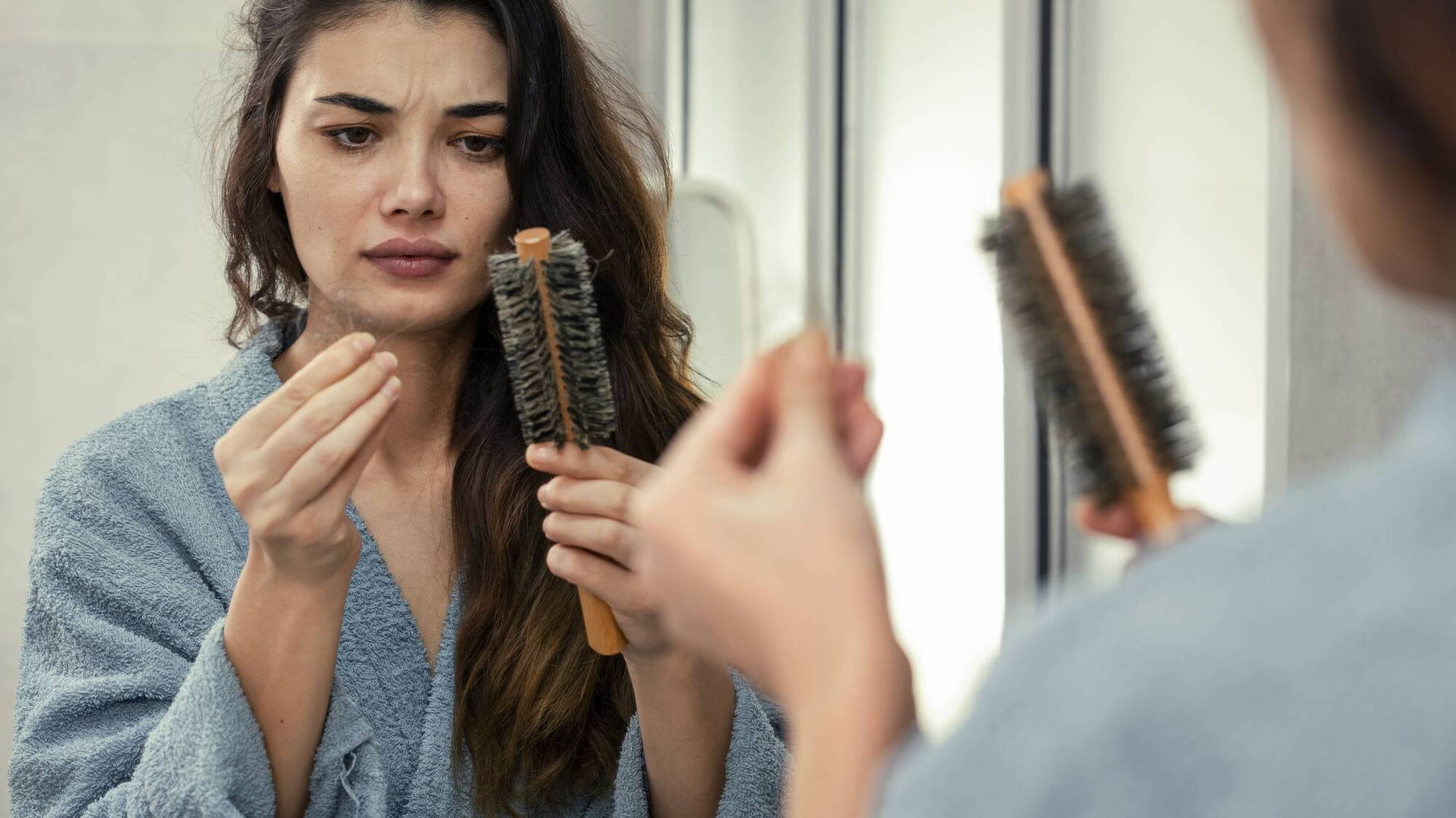
Pic: iStock
August is Hair Loss Awareness Month, and as it is an issue that touches lots of us in some way, I wanted to reflect on the topic this week with the help of Deborah Whelan, a Board-Certified, Registered Trichologist.
About half of men over the age of 50 have some hair loss and nearly half of women experience hair loss in their lifetime, and in most cases, it’s a completely normal part of getting older, much like the forming of lines and wrinkles.
Despite being a natural occurrence, hair loss can significantly impact our psychological and emotional wellbeing, being linked to depression, anxiety, and in some cases social withdrawal.
The good news is that support is available and there are some things you can do to lessen the physical and emotional load. Today, I will share some of the most important things to consider when experiencing hair loss.
"Hair loss occurs naturally every day and it is normal to notice hair in the brush and on the comb," explains Deborah.
"Normally the hair lossq is around 50-150 hairs a day depending on natural hair density. Considering this natural variability, what is not important is the usual number of hairs that you notice but an obvious and ongoing increase in this amount. Especially if you can see more hair in the shower or plug hole, more scalp, or a reduced ponytail volume."
"Hair volume is determined by three factors: The number of hairs per centimetre of scalp, the proportion of active/productive hair follicles, and the thickness of the hair shafts. Almost all hair disturbances can be characterised by a change in one or any combination of these three factors. Understanding what has changed is the key to identifying the underlying cause," says Deborah.
Two of the most common types of hair loss are Androgenetic Alopecia and Alopecia Areata. Many women experience Androgenetic Alopecia during the ageing process.
Rather than seeing a receding hairline, hair more typically thins slowly over the scalp. For men, hair loss can begin after puberty and progress over the years. Alopecia Areata, on the other hand, is an autoimmune condition which causes the hair to fall out in small clumps.
If you have recently welcomed a little one, you may find yourself losing hair, with shedding of the hair commonly taking place about 3-6 months after having a baby.
"There are two common and sometimes significant causes of hair loss immediately after pregnancy. The first is the reduction in the increased percentage of productive hair follicles. The second common cause for an increase in loss is often caused by nutritional deficiencies and the stress of having less rest and sleep and looking after a newborn. This type of hair loss is a temporary condition and usually resolves within a year."
Hormone imbalance and hormone sensitivity can also cause Androgenetic Alopecia.
"The menopause can cause considerable tension and anxiety for women as well as insomnia, fatigue and depression. This alone can cause a significant increase in daily hair loss. Also, the natural reduction in female hormones can cause an increased response to naturally present male hormones leading to pattern thinning/baldness."
Changes in skin and hair often indicate an underlying vitamin deficiency. If you notice your hair shedding more than usual, it may be worth getting your iron and vitamin D levels checked.
Vitamin D deficiency has been associated with two of the most common forms of hair loss with research revealing that 91% of patients with alopecia areata had a Vitamin D deficiency, compared to only 33% of those without.
If blood tests do reveal a deficiency, supplements can be helpful in getting your levels back up. Eat a balanced diet including a sufficient amount of protein (0.8 grams/kilogram/day), recommends Deborah.
"Hair is made up of primarily protein (keratin), so adequate protein is vital to maintain and grow hair."
"Stress is a common cause of diffuse hair loss and Seborrheic scaling on the scalp. Prolonged stress can reduce the percentage of active hair follicles therefore reducing hair density. Stress can also exacerbate Alopecia Areata and Male Pattern Baldness."
Fortunately, this form of hair loss usually resolves, and hair grows back.
"Looking after your emotional health and practicing coping strategies can help to reduce the impact of stress," Deborah says.
"Managing stress is therefore a crucial life-long skill. The more you can adopt techniques to deal with stress, the more your hair will benefit."
With hair strongly linked to identity and self-image, the loss of scalp hair can cause significant distress. Alopecia Areata (AA) has been found to impact confidence and self-esteem, with research revealing that 77.6% of adults with AA had an impaired quality of life due to the disease.
Scalp hair loss and eyebrow loss were cited as the areas of biggest concern, with the most frequent diagnoses named as depression, generalised anxiety disorder, and social phobia.
PRP is an option: PRP (Platelet Rich Plasma) can be useful in preventing both male and female pattern hair loss. This involves taking a small quantity of your own blood, separating out the blood cells from the platelet-rich plasma (which triggers tissue regeneration and repair), and injecting this plasma into the scalp, to encourage hair growth.
"This is a surgical redistribution of hairs from the back and sides of the scalp where male/female pattern baldness does not occur, to the top of the scalp where thinning is common.
Hair transplantation is an effective and usually permanent hair thickening option for men and women who experience pattern hair loss, and it is also used to address or disguise hair loss as a result of scarring on the face and scarring alopecia."
"Sometimes professional treatment is needed to remedy the hair loss’ says Deborah.
"This may be to increase the percentage of active and productive hair follicles or to slow down a loss of hair density due to an ongoing loss of hair shaft diameter (and therefore a loss in the cosmetic value) of the growing hairs. If you are suffering with hair loss, it is important to visit your GP or a trichologist to investigate further.
"Treatments such as corticosteroid injections may be advised if alopecia is diagnosed, which can help to reduce the inflammation that can lead to hair loss."
"When people become aware of an increase in the visibility of their scalp, a reduction in the size of their ponytail or more hair in the plug hole they should see the attention of a trained and registered Trichologist. There are many misunderstandings about scalp disorders, hair loss, and effective treatments and a Trichologist has a wealth of knowledge to offer advice and treatment, if needed."
- If you would like further advice or information about hair loss, please see a Trichologist or Dermatologist, who can help advise you of the next steps.

CONNECT WITH US TODAY



Be the first to know the latest news and updates