The Skin Nerd: What do I need to do to mind my skin during menopause?
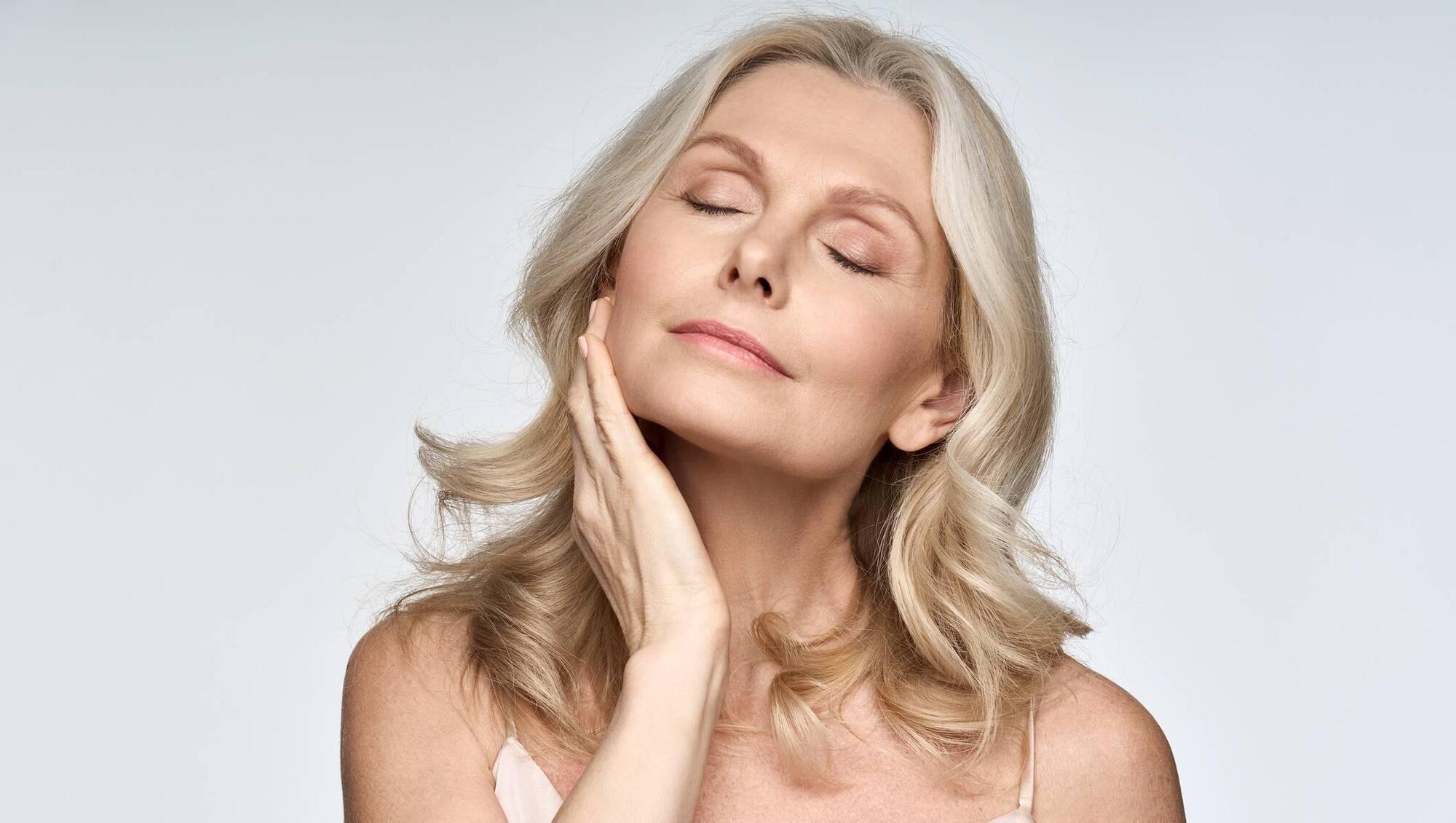
Pic: iStock
With a rise in menopause-targeted skincare of late, you would think that the (needless) taboo surrounding menopause would have lessened considerably, however, a recent study by Mintel has revealed that almost half of women do not currently talk to their friends about menstruation or menopause [1].
Whilst skin and hair symptoms often receive less attention than other menopausal symptoms they are a very real part of this life stage and can have a huge impact on self-esteem. The impact of the low oestrogen state of menopause has clear implications on the structure and function of the skin, with as many as 64% of women attending menopause clinics reporting skin problems [3].
Whilst there is evidence that HRT can reduce or reverse some of these changes, this is a choice that only the individual can make and is not for everyone, so knowing how to care for your skin at this time is essential.
Supporting Mintel’s findings, 3000 Nerd Networkers told The Skin Nerd that they felt that menopause was unspoken of, and research has highlighted a lack of information coming from healthcare professionals on the connection between skin issues and menopause. As women live one-third of their lives in the post-menopausal state [4], it’s important to share knowledge and encourage communication about this natural life stage so that we can feel as ‘skintent’ as possible in our skin.
With hormonal fluctuations leading to impaired skin barrier function, diminished skin moisture often leads to dryness during menopause [8]. This isn’t helped by decreased glycosaminoglycans in the extracellular matrix, (such as hyaluronic acid,) which leads to decreased skin turgescence and reduced hydration [7]. Combat by applying hyaluronic acid topically to draw hydration into the skin.
This hero humectant (aka a water-binding molecule) sucks moisture from the air into your skin, helping the skin to look and feel more hydrated as soon as you apply it.
If you are suffering with dryness, I do not recommend using hyaluronic acid without ceramides or another lipidic ingredient on top. Why? Sometimes hyaluronic acid can take moisture from the skin too. It’s our skin’s lipids that lock hydration in, and ceramides are native to the skin, making up a huge 50% of the lipids of our skin’s barrier.
Oestrogen and progesterone levels decrease during menopause causing a loss in collagen production. In early menopause, skin collagen levels decrease rapidly with a reduction of approximately 30% in the first 5 years, followed by a further decline of 2% per year for the next 15 years [3].
Elastin degeneration also increases with menopause and manifests clinically as slack skin and increased wrinkling [5].
As we want the skin to create more collagen, a game-changer ingredient to reach for is vitamin A! If you are new to vitamin A, I recommend starting with retinyl palmitate, the fat form of vitamin A, which goes with a lower, slower approach making it more tolerable for sensitive skin but still as effective.
Another ingredient to introduce to help our skin to make collagen is peptide. Peptides are amino acids that signal your skin to make collagen.
Try ASAP Skincare Super A+ Serum (€72, theskinnerd.com) which contains vitamin A and an anti-ageing biomimetic tripeptide complex which stimulates collagen and accelerates cell renewal.
Visually, any pigmentation may appear or become darker. Vitamin A is also the key ingredient for addressing this, along with vitamin C, which helps to inhibit one of the enzymes that plays a part in creating melanin, the pigment in our skin.
This is particularly important to those who have noticed their skin become more delicate or sensitive during hormonal fluctuations.
You can find vitamin C within IMAGE Vital C Hydrating Anti-Ageing Serum (€69.27, theskinnerd.com), which contains multiple forms of vitamin C to help dull the appearance of dark spots, discolouration, and uneven skin tone.
Some may find that their skin begins to react to their usual skincare products when they start experiencing the hormonal changes that come with menopause.
Stress hormones can also negatively affect the epidermal barrier with the clinical effects of cortisol on the skin including dryness, inflammation and wrinkles [8].
Stripping down your skincare regime can help to pacify upset complexions - keep your skincare simple and fuss-free to minimise any irritation.
Acne can suddenly arrive due to menopausal factors or thanks to the side effects of prescription medication such as HRT. Night sweats and hot flushes may also lead to pimples across your body but be kind to your skin and don’t over-treat.
Instead, try gentle products containing 0.5% salicylic acid to zap blemishes in their tracks.
Flushing is seen in around 75% of perimenopausal and menopausal women [3], and if you suffer from a skin condition you may find that your skin can flare up as your skin becomes more irritable and drier. For example, studies have also shown that menopausal flushing is known to exacerbate or even precipitate rosacea and psoriasis has been reported to flare during the postmenopausal period [5]. If this is the case, avoid harsh soaps and instead look for anti-inflammatory ingredients such as aloe vera to pacify angry, red skin.
Whether your own skincare routine should change during menopause is dependent on your individual needs and how you react to hormonal fluctuations, however as a general rule, menopausal skin needs a recipe of nourishing ingredients to replenish moisture and fortify the skin’s lipid layer that’s become compromised as a result of these hormone changes.
Finding a way to feel as comfortable as possible is key - although only 6% of total symptoms relate to skin, research has shown that easing discomfort is women’s key priority when it comes to menopause [6].
You can aid this by cleansing daily with a gentle, non-stripping product to avoid irritating your now more delicate skin barrier and cocooning the skin in Skingredients Skin Good Fats Ultra Hydrating Ceramide Moisturiser , which is rich in ceramide NP and shea butter glycerides for a boost in hydration.
Gilda Liljeblad Healthy Ageing Serum also provides great support to menopausal skin thanks to the inclusion of skin-boosting peptides which reduce the appearance of fine lines and boost collagen production. Remember that menopause is a transition, and whilst no product can offer a cure, the right skincare can help to manage some of the issues and help you to feel more comfortable in your skin.
[1] Mintel, 2023
[2] Leitch C, Doherty V, Gebbie A. Women's perceptions of the effects of menopause and hormone replacement therapy on skin. Menopause Int. 2011;17(1):11–13
[3] Duarte, GV. Skin disorders during menopause. 2016
[4] Wines N, Willsteed E. Menopause and the skin. Australas J Dermatol. 2001 Aug;42(3):149-8; quiz 159
[5] Erin Kamp, Mariha Ashraf, Esra Musbahi, Claudia DeGiovanni, Menopause, skin and common dermatoses. Part 2: skin disorders, Clinical and Experimental Dermatology, Volume 47, Issue 12, 1 December 2022, Pages 2117–212
[6] Convosphere.com
[7] Lee DH, Oh JH, Chung JH. Glycosaminoglycan and proteoglycan in skin aging. J Dermatol Sci. 2016 Sep;83(3):174-81
[8] Maarouf M, Maarouf CL, Yosipovitch G, Shi VY. The impact of stress on epidermal barrier function: an evidence-based review. Br J Dermatol. 2019 Dec;181(6):1129-1137.

CONNECT WITH US TODAY



Be the first to know the latest news and updates