The Skin Nerd: What is Baby Botox and could it work for you?
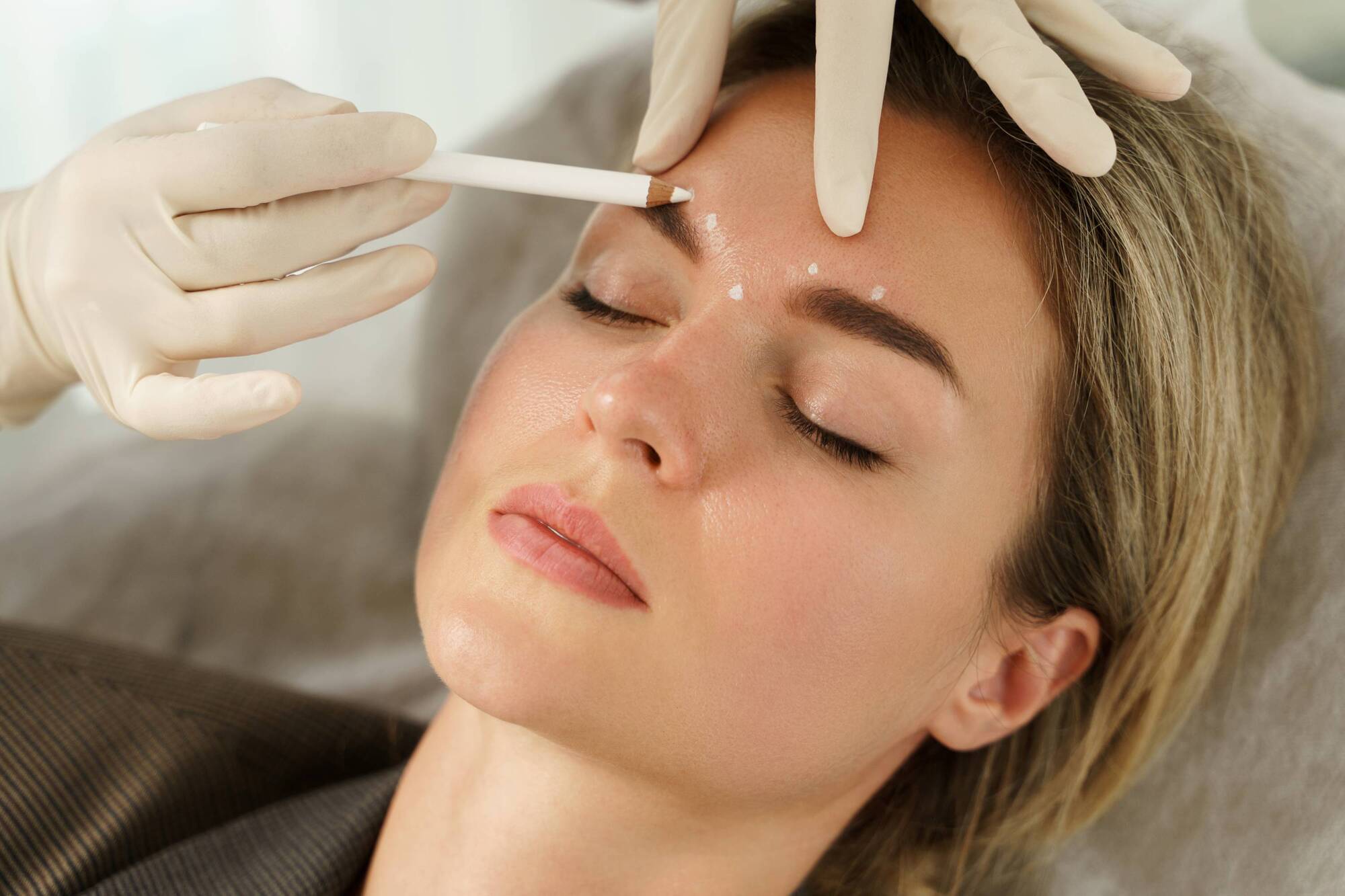
Skin Nerd: More and more aesthetic treatments are gaining a micro version, but which (if any) are worth the skinvestment? Pic: iStock
Despite a rise in the cost of living, the aesthetics industry is booming. Alongside more traditional and well-publicised procedures, a group of slightly more subtle options are making their mark on the market.
I discussed the rise of micro-tweakments with aesthetic specialist Dr Mairead Browne.
"A 'lip flip' involves injecting Botox into the muscle around the mouth (aka the orbicularis oris) which can relax the muscle and roll the lip out slightly," explains Mairead.
"It gives the appearance of slightly larger, everted lips without changing the size. This can help to soften wrinkles around the mouth area."
On the other hand, lip fillers involve injecting hyaluronic acid, a naturally occurring substance in our skin to restore balance and proportion. "Lip filler can be used to smooth out ‘barcode/smoker's lines,’ redefine the lip shape and address any volume loss that happens through ageing as well as correct any asymmetry and drooping mouth corners."
But how do we know which is best for us?
"Both results are vastly different, so the decision depends on what results you desire and on the practitioner's evaluation of the patient to see whether they are a better candidate for a lip flip or filler. if you are looking for volume, shape and contour then fillers are a better option but if you are looking for a more subtle result then a lip flip may be more appropriate, some patients may do one over the other whilst others may do better with a combination of both. if combined Botox helps to create an overall flipped lip shape while filler provides volume. One may help enhance the longevity of the other as your lip movements are reduced potentially prolonging the longevity of filler in this area. Both have different indications one does not replace the other but can complement each other."
"Botox is a neurotoxin produced by bacterium Clostridium Botulinum, a gram-positive anaerobe found in soil," describes Mairead. "It blocks nerve signals to the muscles into which it's injected, and is most commonly used to reduce the appearance of wrinkles in the forehead, crow's feet around the eyes and the frown lines."
First used medically to treat strabismus, squinting and spasticity disorders, Botox (aka botulinum toxin injection) became FDA-approved for cosmetic use in 2002 and has been a popular and highly-publicised way to address the effects of ageing since. Although considered relatively safe if administered by an experienced practitioner, there are some contraindications to using Botox.
"These can include active infection at the site of injection, history of allergy, neuromuscular conditions and neuropathies, e.g. Motor Neurone Disease and Eaton-Lambert syndrome, medications such as antiplatelets or anticoagulants, and those acting at the neuromuscular junction, eg aminoglycosides and penicillinamine. Previous eyelid surgery is also a contraindication (as use may increase risk of ectropion) as is pregnancy."
If you are considering this tweakment, when is it best to start? "This depends on the patient’s skin and biological age rather than chronological age. When you smile or frown, we develop lines during expression, which go away when the face is relaxed, when the earliest fine lines start to remain at rest this is a good time to consider anti-wrinkle injections, as it's easier to prevent the signs of ageing."
If all this sounds a bit daunting, Baby Botox, has been dubbed as an "entry-level" treatment and recommended for first-time Botox users or those seeking a more subtle tweakment.
The micro-sized injections mean that Baby Botox can also offer a more precise technique and deliver a more natural, personalised look.
"It allows for a more natural-looking result and aims to eliminate wrinkles in the forehead whilst allowing some facial movement," says Mairead, explaining that this can be an alternative for those fearing an unnatural-looking result.
"If injected into the forehead, this technique can help to prevent the frozen forehead look and allows muscle animation."
As I advocate skin health primarily, I encourage everyone to prioritise building healthy, consistent skin habits including the daily use of a cleanser, serum and SPF, as these are key for the skin to look and feel its absolute best. If you are considering a tweakment, always ensure that you research your practitioner beforehand to find one that is highly qualified and specialises in the art of science meets aesthetics meets medicine.
Far less invasive than it sounds, Hair Botox is a term for a targeted boost of hair nutrients intending to smooth out your locks (as traditional Botox would intend to with your skin.) Hair Botox is a process that essentially adds moisture to dry, heat or chemically damaged hair.
"The effect can be a wonderful improvement in the appearance and texture of the hair," comments trichologist Deborah Whelan. Rather than using needles, a conditioning treatment is applied like a mask, and aims to repair and smooth damaged hair via a potent blend of hair nutrients including antioxidants, hydrating oils, and strengthening and bonding ingredients.
"Trichological clinics have provided 1-2 hour long intensely hydrating deep-conditioning treatments for decades. Hair hydration therapy strengthens the hair and provides a long-lasting boost to moisture levels in the hair. For many years, trichologists have provided these treatments to reduce hair breakage or slow down hair loss caused by fracturing hair shafts when the hair has been over-processed."

CONNECT WITH US TODAY



Be the first to know the latest news and updates