The Skin Nerd: Why we all deserve a skin squad

Skin Nerd: Holistic beauty
When it comes to taking care of the skin, enlisting the help of a specialist is a smart decision to make. Whilst it's always been my goal to empower hoomans with the knowledge to be confident in their skin and how to take care of it, this does not mean you have to go it alone. Indeed, an integrated approach pays dividends - we all need advice at times, and incorrect knowledge can compromise your skin health. Not only is seeking help less daunting when it comes to navigating a sometimes-overwhelmingly crowded skincare market, but professionals with different specialisms can also work together to address your skindividual needs by building a 360 degree plan.
Having said that, you do need to be cautious of the experts you trust with your skin and should always check out a person's credentials before seeking their advice. True skin experts are fully trained in their specialism and will be able to back up these qualifications. Be wary of fancy titles that do not tell you much and check the Medical Council (Ireland) or General Medical Council Register (in the UK) for the names of any doctors or medical specialists prior to undergoing any treatment.
Here are some of the experts you should consider as part of your skin health arsenal:
A dermatologist differs to a skin therapist in that they have a medical qualification, whereas a skin therapist will have trained in beauty therapy and specialised in skincare. You can see a dermatologist by asking for a referral from your GP, who may also advise you to see one if a persistent skin concern is not managed following advice from the GP or professional such as a skin therapist or dietician. Some dermatologists also carry out corrective surgical procedures and recommend more medical products.
See a skin therapist or skincare professional like a Skin Nerd if you are:
• Unsure of what skincare products will work best for your skin goals.
• Struggling with a skin texture issue, dryness or excess oil.
• Looking to prevent accelerated ageing.
• Seeking to treat mild redness and pigmentation concerns (which you don't suspect are due to medical reasons such as rosacea or hormonal changes).
Some conditions cannot be treated by topical skincare alone and require medical investigation. A GP will look at the skin in context with the rest of your body and alongside your own health record. Your doctor is the best person to talk to if:
• Your concern is more of a medical nature than aesthetic
• You suffer from acne or persistent congestion
• A skin issue is affecting your mental health
• You notice a mole / patch of skin has changed
• You are worried you might have rosacea, eczema, or psoriasis
A pharmacist can work with a GP to advise you on treatments that address a skin condition or concern. You can also visit a pharmacist for advice if you have a skin flare up and need recommendations on effective treatments.
Cosmetic surgeons specialise in surgical cosmetic procedures and are a crucial point of contact if you are considering cosmetic surgery. A multidisciplinary approach is usually recommended when it comes to making a decision on plastic surgery and the concerns you may wish to discuss include scarring, addressing accelerated ageing and volume loss.
A dietician will look at your skin from a nutritional standpoint. It is worth visiting a dietician if:
• Your concern appears to be linked to dietary factors (such as a deficiency or allergic reaction)
• You want to improve your skin via diet.
A psychodermatologist is concerned with the psychosocial aspects of skin concerns. Chronic skin conditions have been found to influence mood and mental wellbeing with psychological disturbance and psychosocial impairment reported in 30% of those with dermatological issues.* Speaking to a psychodermatologist may be a good move if you:
• Are feeling anxious or suffering from low self-esteem that is triggered by a chronic skin condition.
• You suffer from low body / skin confidence, which is influencing your mood.
• You experience problems that could be caused by stress, such as chronic itching and skin picking.
Regular exercise can lead to better circulation, improved quality of sleep and lower stress levels – all of which benefit the skin! A fitness professional can help you devise a plan that benefits your body, energy levels and skin.
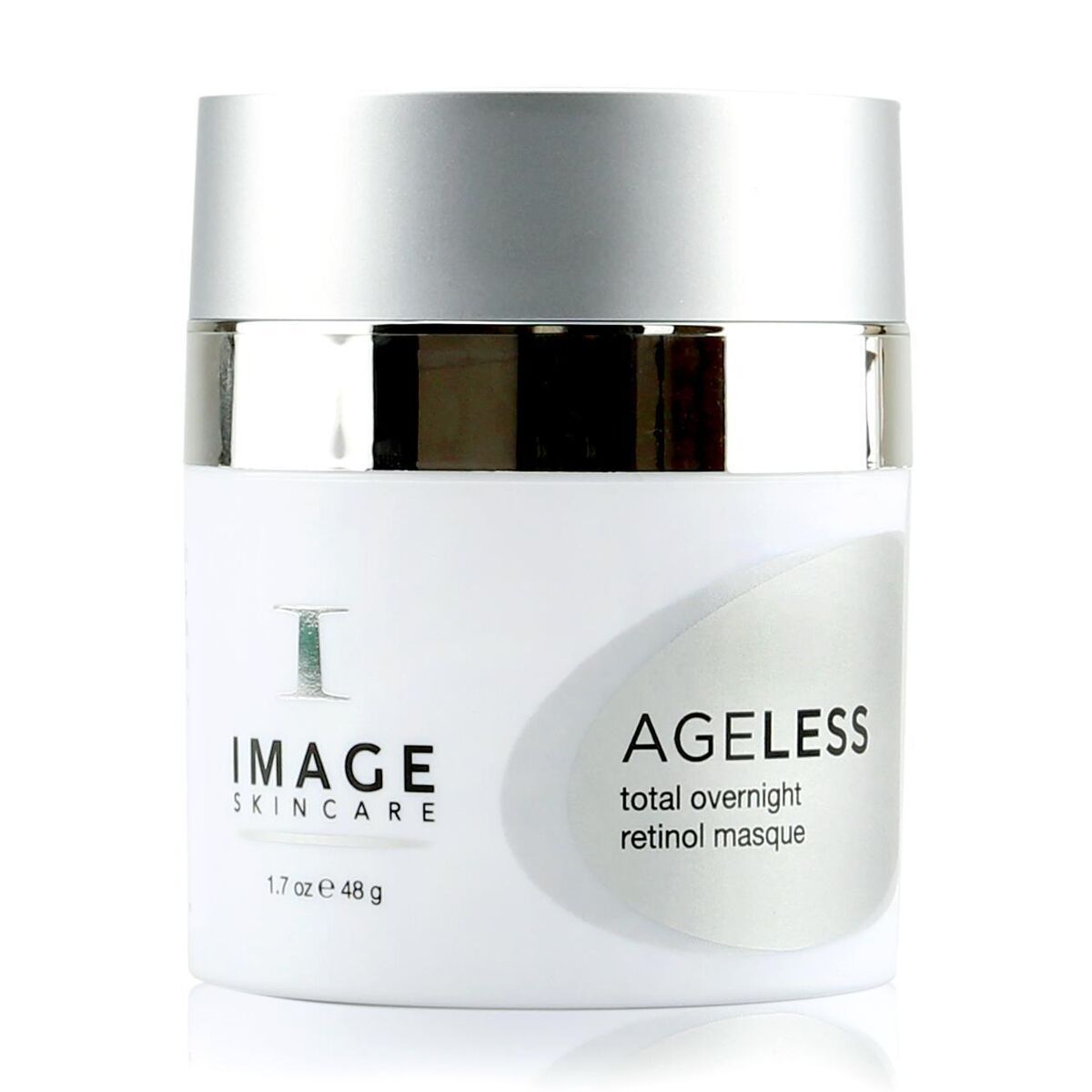
Vitamin A is one of the few ingredients that is truly championed across the board for its abilities to target accelerated ageing.
Regular readers of this column will be aware that I regard vitamin A as an incredible anti-ageing active and recommend the use of it to all hoomans (except mamas to be). One vitamin A enriched product that I am loving right now is IMAGE Skincare Total Overnight Retinol Masque.
This intensive treatment contains retinol, the alcohol version of vitamin A, alongside marine collagen to infuse the skin with nutrients whilst you sleep. Working on a cellular level, skin renewal is boosted, which improves the appearance of lines and wrinkles and helps to even out your skin tone. Slather on 1-2 evenings a week for skin that looks firm, fresh, and more youthful.


CONNECT WITH US TODAY



Be the first to know the latest news and updates