Skin Nerd: How to soothe the effects of stress on your skin, like irritation and inflammation
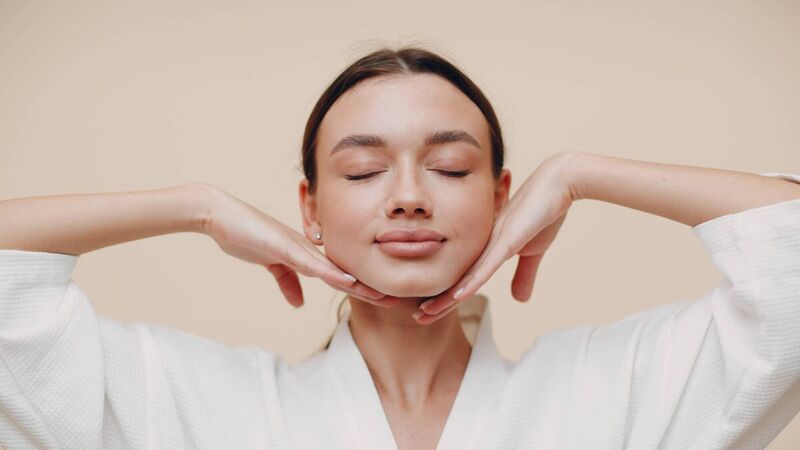
Skin Nerd: Emotional stress can play havoc with our physical as well as mental health – but did you know that stress can also affect our skin?
As many of us are all too aware, emotional stress can play havoc with our physical as well as mental health – but did you know that stress can also affect our skin? With research suggesting a 37% increase in the rates of clinical insomnia from before to peak COVID pandemic, * now is a particularly stressful time for the largest organ in our body. Rising levels of anxiety and uncertainty has led to impaired sleep and increased levels of worry - both factors that can reduce the immune systems’ ability to function at its best.
When we are experiencing feelings of stress, a surge of cortisol is sent throughout our body. Whilst cortisol, (known as the stress hormone) can help our body defend against threats in the short term, over prolonged periods of time, increased levels of cortisol have a disruptive effect across multiple areas of our body.
Research has found that skin is both an immediate stress perceiver, and a target of stress responses. As the largest organ of the body, the skin plays a key role in barrier and immune functions, maintaining homeostasis between external environment and internal tissues.**
Stress is known to affect various health conditions, including how our skin heals, and it can cause widespread inflammation. This means that those with inflammatory skin conditions such as acne, eczema and psoriasis may notice flare ups in times of stress. Stress can also affect the efficiency of wound healing and has also been found to promote accelerated ageing.*** This is because when we are stressed for a long-term period, we also experience long-term inflammation, which can weaken the structure of the skin and lead to the degradation of collagen and elastin.
An online survey featured in The Journal of Cosmetic Dermatology revealed that decreased cosmetic habits during COVID-19 has led to increased irritability and increased levels of stress. Create a relaxing, peaceful environment for when you can wind down and indulge in self-care. Rest and reflection, as well as positive thinking and self-talk can be effective ways to boost your mood.
Rest is vital for recharging your batteries and cell repair but can be difficult in times of stress. Research has revealed that hoomans with higher levels of stress are more likely to suffer from insomnia (Pillai et al, 2014), which is very unhelpful when those who are stressed would especially benefit from a good night’s sleep! If you are struggling to get some shut eye, visit your GP to discuss ways to get your sleeping habits on track.
Healing touch treatment is associated with psychological relaxation as is therapeutic touch, which has been found to decrease levels of stress.**** Treat yourself to a massage at your local salon or do it yourself using a facial roller and your favourite serum.
Too much sugar or processed foods can worsen stress, making a balanced diet essential for optimal skin health. If you struggle to get sufficient nutrients from food, a dietary supplement could be useful. Supplements that combine active flavonoids with proteoglycans have been found to help inflammatory conditions.***** You could also try adaptogens, which are herbs that have therapeutic properties and can assist in our body’s stress responses.
They are renowned for their use within Chinese medicine but have become a buzzword within the self-care boom and I think we will hear more about these in skincare over the next year. Examples of adaptogens include holy basil, ashwagandha and ginseng. They have topical benefits too, for example, ginseng is believed to have anti-inflammatory effects and ashwagandha has antioxidant properties.
According to Mintel, 45% of UK 16–34-year old's have increased their beauty and personal care activity to aid with stress.
‘Anti-stress’ skincare can also work as a secondary defense once you have reduced stress at the source. How you treat it depends on how it is manifesting within the skin – if you get spots, try salicylic acid but if it is irritation you are seeing, anti-inflammatory ingredients like niacinamide may be of great benefit.
- * Extract from: The acute effects of the COVID-19 pandemic on insomnia and psychological symptoms, Charles M. Morin, Julie Carrier. Sleep Med. 2021 Jan; 77: 346–347. Published online 2020 Jun 6
- ** Chen & Lyga, 2014
- *** Wang et al, 2013
- **** Dogru et al, 2021
- ***** Theoharides et al, 2004.
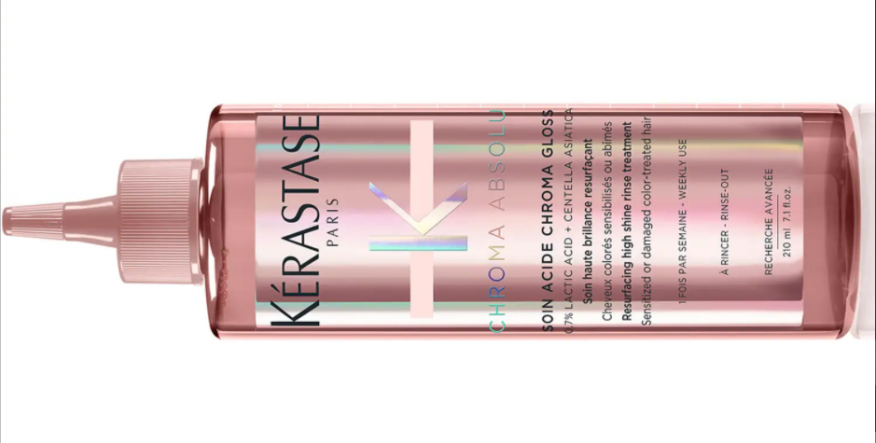
Bringing skincare to haircare, my locks look anything but frazzled with the Chroma Absolu range by Kérastase.
Each formula works to ensure that the fibres of the hair are protected from the inside-out, giving incredible shine and allowing coloured hair to last for longer.
My hero product from the range is the Chroma Absolu Soin Acide Chroma Gloss. This resurfacing, high shine treatment is enriched with 0.7% lactic acid and gently exfoliates the surface of the scalp for increased vibrancy. It’s a must-try for blonde tresses!
- Kérastase Chroma Absolu Soin Acide Chroma Gloss, €42.95
CONNECT WITH US TODAY



Be the first to know the latest news and updates