Skin Nerd: Should I pair retinol and vitamin C in my skin care?
Skin Nerd: Understanding the science that goes into a skincare formulation can be tricky. This is because creating product formulas is a science and whilst some ingredients go together like Netflix and a duvet day, others just don’t belong together.
Understanding the science that goes into a skincare formulation can be tricky. This is because creating product formulas is a science and while some ingredients go together like Netflix and a duvet day, others just don’t belong together. Skingredients in-house chemist Gabriela Duffy Morales says “it's really important that you research the ingredients you plan to combine to ensure they work well together and that you are applying them correctly”. This ensures results are obtained in an effective and progressive manner whil being respectful to the skin.
Niacinamide and salicylic acid
Both ingredients have had their fair share of attention over the last few years due to their extensive skincare benefits but used together these hero ingredients can help to control excessive oiliness, inflammation, and acne.
Both vitamins are antioxidants and can create a free-radical fighting cocktail when used together. Vitamin C assists in the stimulation of collagen production, while vitamin E brings its free-radical blocking superpowers to shield skin from environmental pollutants. This duo is especially effective for targeting accelerated ageing concerns, such as fine lines and loss of volume.
Alpha hydroxy acids such as glycolic acid, lactic acid and mandelic acid are naturally occurring acids that are derived from plant sugars, whilst BHAs or beta hydroxy acids, include salicylic acid.
Both work as exfoliants but whilst AHAs benefit the skin by improving texture and treating pigmentation, the antibacterial properties of a BHA such as salicylic acid make it effective for addressing acne and congestion.
Only use BHAs at the same time as AHAs if advised by your skincare expert as we want to prioritise respecting the skin barrier. As these exfoliating acids can dehydrate the skin, it is important to follow up with a humectant product such as hyaluronic acid (which despite its name isn’t an exfoliating acid).
The use of exfoliating acids will also increase sun sensitivity, so do not forget the daily application of a broad-spectrum SPF.
A layer of antioxidant protection underneath your SPF can enhance your environmental protection levels. Combining these two should be simple, as many sunscreens also contain antioxidant protection, such as Skingredients Skin Shield SPF50 PA+++, which is a broad-spectrum sunscreen that also contains antioxidants niacinamide and vitamin E.
Not all skincare ingredients work well together and mixing certain active ingredients can compromise the skin barrier, resulting in inflammation, irritation and dehydration. I recommend a ‘low (%) and slow approach’ in terms of which pairings should be made. This helps to build up tolerance to an ingredient and avoid unnecessary inflammatory responses.
Retinol can cause sensitisation when mixed with some ingredients such as exfoliating acids (eg AHAs and BHAs), which, like retinol, encourage the sloughing of dead skin cells. Using these ingredients in the same evening can weaken the skin barrier which can cause redness, tightness, and dehydration. You may be able to use these active ingredients on alternate evenings to avoid irritation but seek advice from a facialist before use as the percentage of active ingredients will vary from product to product.
Retinol and vitamin C are two powerhouse active ingredients that can lead to irritation when layered. There is room for both ingredients in your skincare regimen if you are careful about when you apply them. Vitamin C can be applied underneath your broad-spectrum SPF to shield the skin from UV rays, while vitamin C combats free radical damage caused by UV exposure. Save retinol for night-time use (which you should be doing anyway) to support the skin’s natural nightly cellular reparation processes. Alternatively, switch to using retinyl palmitate, the gentlest form of vitamin A, which can be layered with vitamin C.
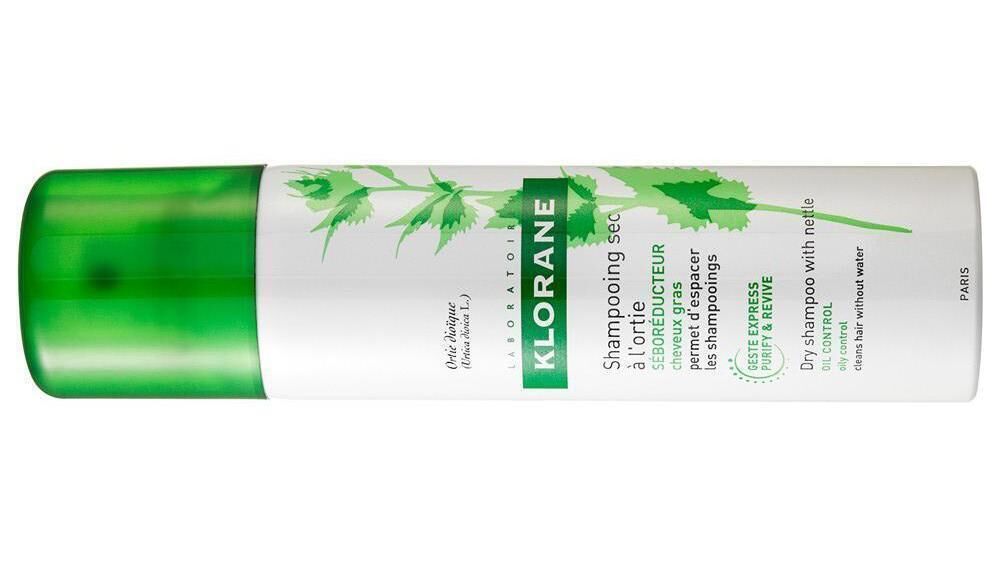
Dry shampoo can be a perfect pairing to a lie-in and when you have no time to wash your locks in the morning! Although it’s not a long-term solution for optimal scalp health, dry shampoo can be a saviour when rushing from appointment to appointment and a brand that I always go back to is Klorane. This French brand has been creating dry shampoos for 50 years and they never fail to add volume and refresh my locks between washes. I particularly love the nettle formula which perks up my hair in minutes and soaks up any excess sebum in the roots.
Klorane Dry Shampoo, €11.50, available from millies.ie


CONNECT WITH US TODAY



Be the first to know the latest news and updates