How salicylic acid improves blackheads, acne, large pores and more
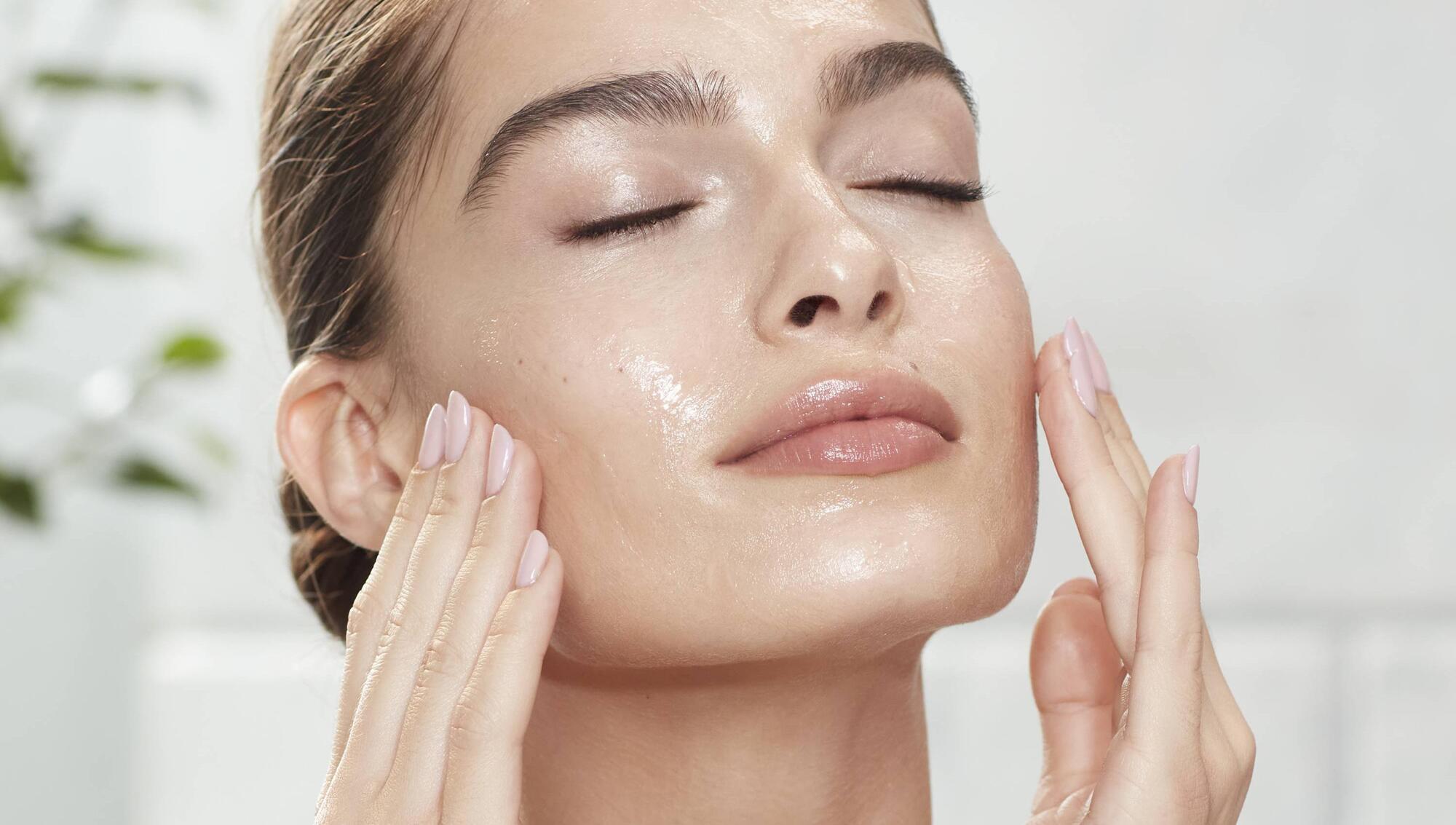
Get super smooth skin with these salicylic acid dos and don’ts.
Salicylic acid is a skincare ingredient that may inspire you to bin your concealer. This exfoliant improves several unsightly skin concerns. Blackheads, acne, sunspots, large pores, and post-inflammatory erythema (those red marks you see after pimples heal), all look better for regular use of a gentle, fragrance-free salicylic acid product.

It can also help with dullness, inflammation (including redness from rosacea), and excess oil production. I always say you don’t need to exfoliate; skin renews itself naturally regardless — and the skincare market is saturated with so many scrubs, facial brushes, and aggressive formulas that do more harm than good.
However, this ingredient’s benefits for oily and combination skin are well established. Some simple dos and don’ts can help you ease salicylic acid into your routine quite pleasantly.

A leave-on product that contains 1-2% salicylic acid is usually effective in dealing with clogged pores or uneven texture. Less is more with skincare. Keep in mind that if you already use a benzoyl peroxide or retinol product (or if you’ve got a glycolic, lactic or other exfoliating acid in your skincare routine), you are already do something to speed up your skin cell turnover and adding salicylic acid increases your risk of sensitivity and irritation.
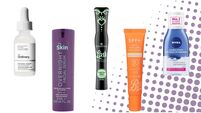
In my opinion, , is a nice ‘starter’ salicylic acid. It combines the star ingredient along with green tea, beta-glucan, and other ingredients that reduce redness and keep skin comfortable.
You probably won’t need to use a leave-on salicylic acid every day.
Ingredient concentrations vary, and the frequency with which you want to exfoliate should decrease if skin feels especially tender or is more prone to redness.
Caring for your neck is important but this area may not need salicylic acid. The skin is thinner and has fewer sebaceous glands.
It tends to tolerate leave-on exfoliants poorly, so unless spots and other blemishes are a real problem below your chin you can probably stop your application there.

Dryness is a potential side effect of salicylic acid. Retinol enhances skin cell turnover, which can cause dryness, as well as some irritation if your skin is still adjusting to this potent ingredient. Layering them increases your chances of dryness, sensitivity, and peeling. They are both great ingredients for improving acne and regulating pore size — it’s just best not to combine them.
, combines salicylic acid with the non-drying but somewhat retinol-like benefits of bakuchiol, as well as a range of soothing antioxidants.
We all want a bright-eyed look, but salicylic acid is not the ingredient to get you there. The skin on the eyelids is 40% thinner than that on the rest of the face and skincare tends to migrate a little after application, so even using this ingredient under the brows risks dry, sore lids.
Washing your face with a salicylic acid cleanser and tepid water in the morning means you get the long-term benefits of the ingredient with a reduced risk of irritation, as well as an instantly smoother face! Applying the cleanser gently in small, upward circles helps to guide the star ingredient into the pores. , is a classic salicylic acid formula that won’t dry you out.
I also like , it contains soothing allantoin and some oil-controlling zinc oxide. It will take longer to see results from a cleanser than if you use a leave-on product but avoiding irritation completely is a benefit in itself. Starting your routine with a BHA wash also slightly lowers the pH of your skin barrier, which allows for better penetration of many active ingredients you apply afterward. That niacinamide you’ve been using to improve red marks should work even better.
Hello Sunday SPF The One That's A Serum Face Drops SPF45, €23