How to be a sustainable style queen: 10 ways to a guilt-free wardrobe
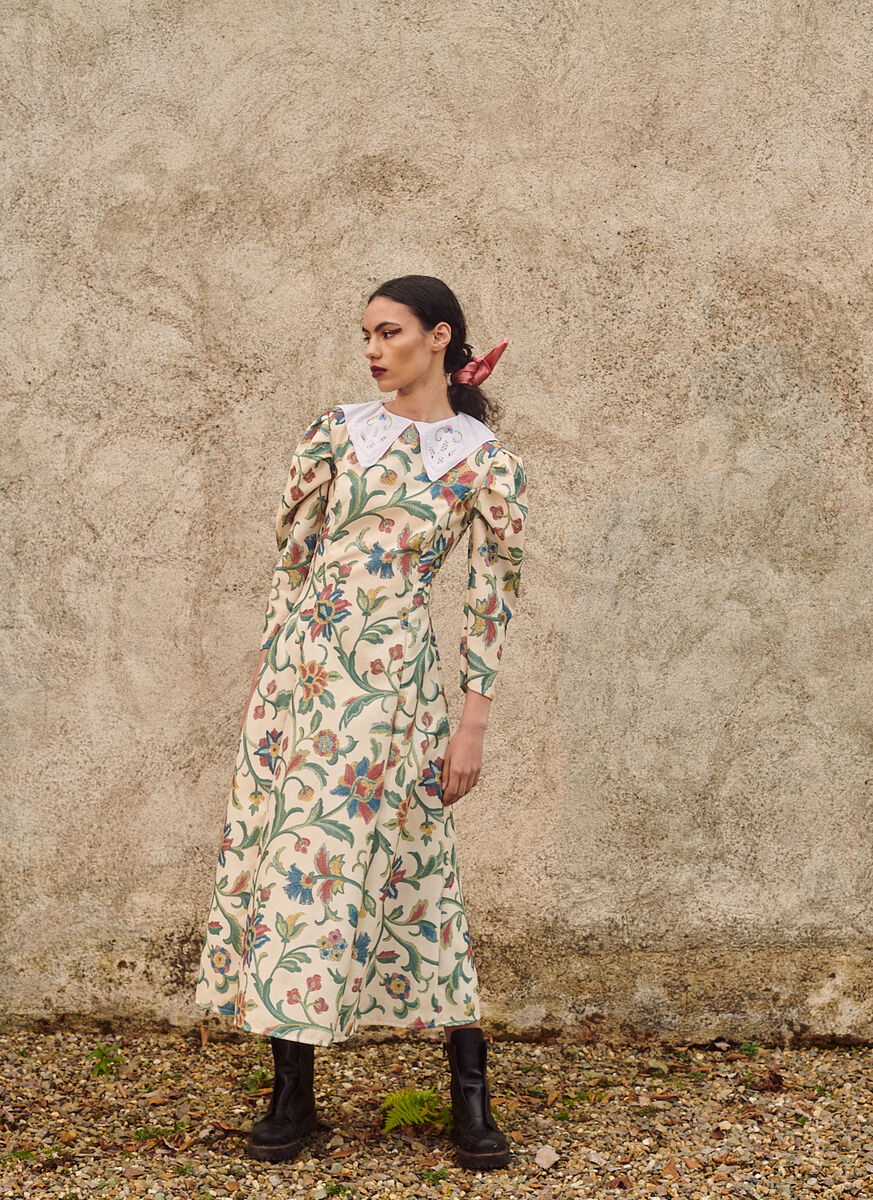
Zuri dress by Sika. UK£249. www.sikadesigns.co.uk
1 Shop local:
It’s no surprise that buying locally-made clothing is more sustainable and ethical — if you shop a fashion item made in Ireland you’re creating and sustaining jobs, lowering emissions, and buying from people who are protected by labour laws.
There is a wealth of independent clothing brands here, many of them run by individual designers or families. Lots of them utilise Irish fabrics such as linen or wool including Magee 1866 which has recently launched a project using wool from Irish-farmed sheep to create fabric for its Magee 1866 x Irish Wool collection.

Many Irish brands have sustainability at their core — from creating handmade items to last, to using organic materials, to choosing environmentally-friendly packaging. Look to brands like FéRí, Zoe Carol, Aoife Ireland, Ros Duke, Pearl Reddington, The Costume Room, Stable of Ireland, Laoise Carey, Four Threads, Grown, Colin Burke, Cleo Prickett, and Aoife Lifestyle as examples of independent brands that are more conscious or sustainable.
CLIMATE & SUSTAINABILITY HUB
2 Be Discerning with Denim:

Not all denim is created equal and some denim brands are way ahead of others in terms of their sustainability credentials. Denim is a product that places particular stress on the environment — from the cotton that goes into it and the water required to produce it to the dyes and distressing processes involved. G-Star Raw, MUD Jeans, Citizens of Humanity, and Seventy+Moochi are four brands that provide sustainable options for denim lovers. G-Star Raw has developed the first-ever cradle-to-cradle, gold-level certified denim. Sustainable Dutch denim brand MUD uses no toxic chemicals, has streamlined processes to use 92% less water than the average jeans, and uses no water in the dying process — they’ll even take back your old jeans (but more on that below). In Ireland, you can have your jeans custom made to last by the experts at Native Denim.
3 Rent or Lease:
While the idea of renting dresses or hats for special occasions is nothing new, the fashion sharing economy has been booming online. Rent the Runway, with a HQ in Galway, is probably the most well-known example of a clothing rental platform, but there are lots of other options, and not just in the occasionwear or luxury space.
The ‘Lease a Jeans’ scheme at MUD Jeans allows you to lease a new pair of jeans for less than a tenner a month. After 12 months you’ve the option to keep them or swap them for a new pair, meaning you get to keep wearing great jeans while MUD gets to have more control over the lifecycle of the product and can mitigate waste.
4 Swap or share:

While many face-to-face swapping events are currently on hold due to Covid-19 restrictions, platforms such as the Irish-founded Nuw (previously The Nu Wardrobe) act like social networks for swapping and sharing clothes. Nuw (@wearenuw) increases the lifespan of existing clothing while offsetting at least 25% of the resources that go into the production of new clothing. Nuw allows users to swap and borrow items of clothing with other users and a growing community of like-minded users is growing up around the app across the UK and Ireland.
5 Invest in better basics:

Investing a little more in the things you wear every day such as t-shirts, leggings and socks is one way to allay throwaway culture and stick to the ‘30 Wears Challenge’. US brand Cuyana works off the principle of ‘fewer, better’ encouraging consumers to purchase fewer better-made items that will last. In Ireland, Theo & George founder Katie O’Riordan says that buying one good quality item, the best you can afford, is better for the environment than buying multiple cheaper (and cheaply-made) items that end up in the bin. O’Riordan recommends keeping track of how much you spend on clothing and then buying one high-quality item with your budget instead of several cheaper items.
6 Positive Influence:

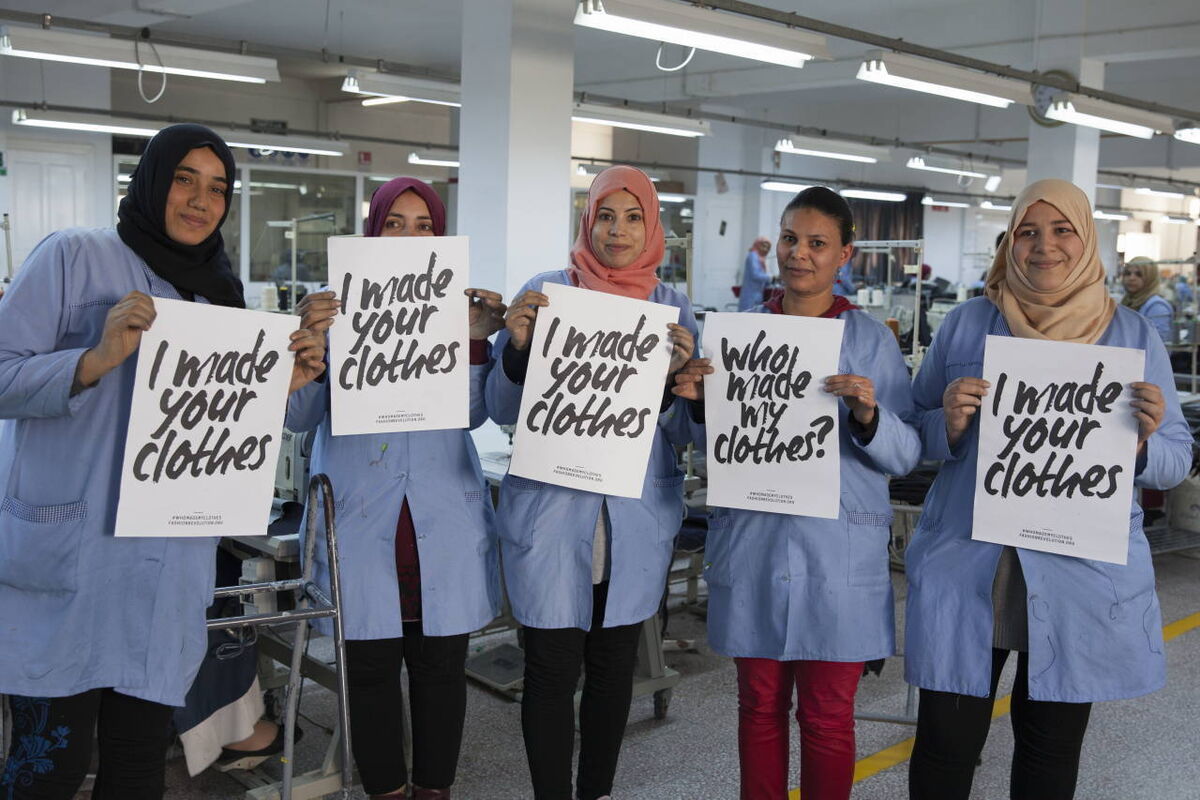
While many social media influencers have jumped on the sustainable, ethical, and diversity bandwagons over the past few years, there are some who really know what they’re talking about. Follow the founder of Fashion Revolution, Orsola de Castro (@orsoladecastro); Caryn Franklin, formerly of the BBC’s The Clothes Show fame (@Caryn_Franklin); sustainability advocate and author Safia Minney (@safia_minney), as well as @ecoage for industry insight, and Clare Press (@mrspress) and Kerry Bannigan (@kerrybannigan). Closer to home, author Emma Gleeson (@stuffhappensemma), Irish Fashion Revolution lead Carrie Ann Moran (@carrie_ann_moran), along with @fashrevireland and @theuselessproject, are great sources of info and advice around sustainable fashion and beyond.
7 Make Do and Mend:
While many of us lack the skills of our mothers and grandmothers when it comes to mending our clothes, many are returning to the old-fashioned notions of repairing and caring. The Japanese process ‘sashiko’ is gaining popularity and involves visible stitching for decorative or repair purposes.

If you’re not really the creative type, then look to services such as The Zipyard, Laundrie, and Rag Order Dublin for repairs, alterations and upcycling, or to local tailors such as Edwin O’Callaghan who recently joined forces with the Cork Button Company.
Give your trainers some love at Cork’s Kryptik Kicks (@kryptikkicks) or Sneaker Surgery (@sneakersurgery) or look to expert cobblers such as Isaac Jackman in Dublin who specialises in designer shoe repair (@shoerepairisaacjackman). Levis and Patagonia also offer repairs in their Dublin stores when open, as do brands such as Eileen Fisher online.
Read Orsola de Castro’s book, Loved Clothes Last: How the Joy of Rewearing and Repairing Your Clothes Can Be a Revolutionary Act, to learn more about caring for, and breathing new life into, your clothes.
8. Buy pre-owned and vintage:
The pre-owned market for clothing is booming, and even luxury brands and retailers are getting in on the action — from Matches Fashion to Brown Thomas. For pre-loved designer goods look to online stores such as Vestiaire Collective or Siopaella here in Ireland.

If vintage is more your bag, then there’s no shortage of sellers on platforms such as eBay, Etsy, and Instagram. Personal favourites in the Irish vintage space are Miss Daisy Blue (@missdaisyblue), Jenny Vander (@jennyvandervintage), Yaaass Vintage (@yaaassvintage), Dirty Fabulous (@dirtyfabulous) and Vintage Finds You (@vintagefindsyou). The much-loved shop The Harlequin recently closed its bricks-and-mortar store in Dublin and is now online at www.theharlequin.ie and at @theharlequinvintage on Instagram.
Platforms such as thredUP have been making buying secondhand clothing or ‘thrifting’ cool Stateside for quite some time and in Ireland Thriftify (@thriftify) allows customers to shop from the charity sector online — good news for both the environment and the charities which include Oxfam, SVP, Simon, and NCBI.
9. Know your Brands:

Thankfully there is a lot more choice when it comes to shopping for sustainable fashion than when I first started writing about the topic almost 15 years ago. Some of my favourite brands at the moment include Aoife Lifestyle and FéRí, new denim favourite Seventy+Mochi, Munthe at Arnotts and British/ Ghanian brand Sika.
You’ll find ethical and sustainable choices from sneaker brands Flamingos Life, Cariuma, and Veja. Why not use the ‘sustainable’ tab when shopping online from retailers like Zalando or Brown Thomas?
10. Do your Research:

Look at Fashion Revolution’s Fashion Transparency Index to see how much the top 200 global brands and retailers reveal about how ethical and sustainable they are. The Good on You app, EcoAge, and the Ellen MacArthur Foundation are good resources for information and inspiration about industry responsibility, sustainable fabrics, ethics in fashion and the circular economy. The newly-launched RCGD app by Red Carpet Green Dress in the US seeks to become an informative platform to demystify language around sustainability, provide inclusive content, and include an engaged fashion community in dialogue around issues of fashion and sustainability.
CONNECT WITH US TODAY
Be the first to know the latest news and updates