Some of the world's most iconic handbags are on show in a new exhibition

A model with Chanel Lait de Coco evening bag, Karl Lagerfeld, 2014. Picture: Jason Lloyd Evans
A new exhibition at London’s Victoria and Albert Museum explores the historical and cultural significance of bags.
“Designers are not confined by physiology when they work on bags because you don’t really ‘wear’ it like a shoe, you carry it with you,” says Lucia Savi, curator of Bags: Inside Out. The new exhibition at London’s Victoria and Albert Museum will provide a little escapism for visitors as artistry, functional needs and total disregard for orthopaedic health (arm pain reportedly keeps Jane Birkin from wearing her namesake Hermès) have produced some pretty amazing accessories over the years.
From a Chanel milk-carton bag by the late Karl Lagerfeld to a Longchamp suitcase created by Tracy Emin, some of the exhibits look like bona fide artwork. The oldest exhibit — a 17th- century golden frog-shaped evening purse — is fun. And British Textile artist Emily Jo Gibbs’ silk chestnut-in-husk bag 'cracks' open to emulate Mother Nature’s own design.
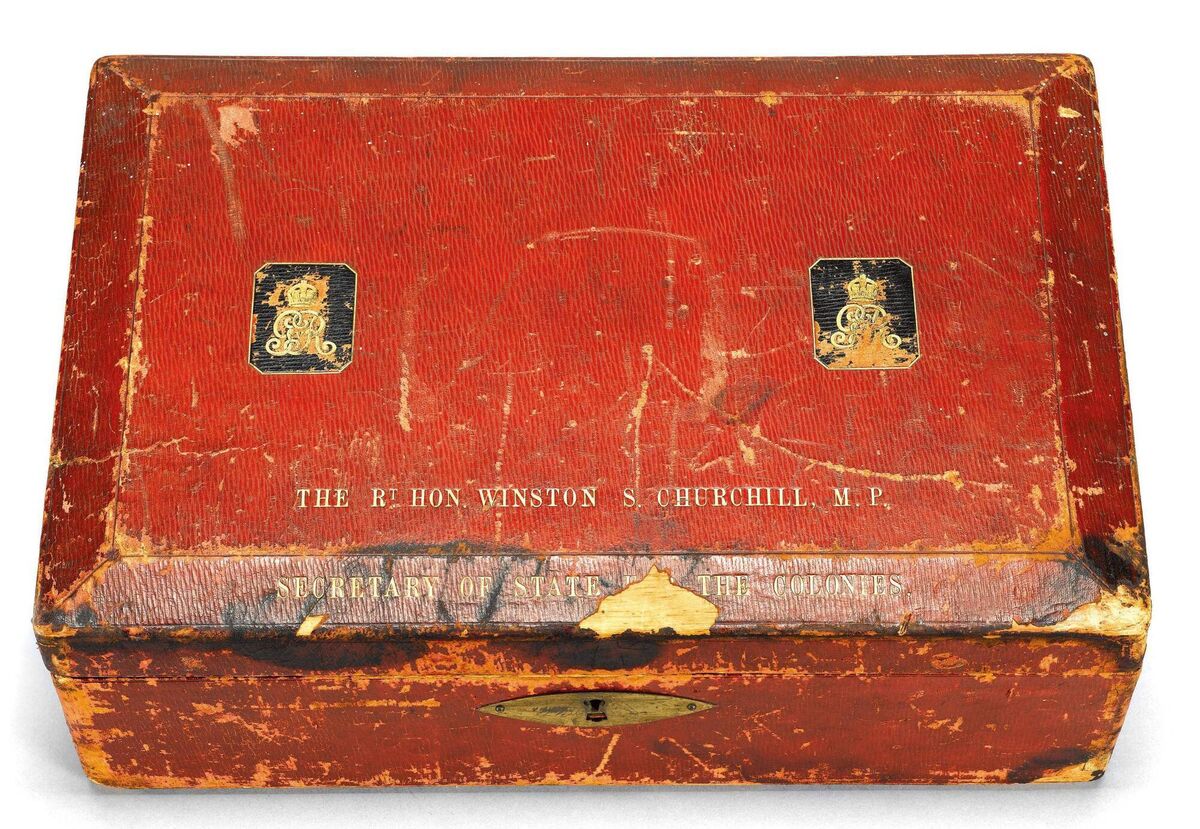
Bags are both historic and cross-cultural icons and each Bags: Inside Out exhibit has a special story, including one that involves the establishment of the Irish Free State. The definition of 'bag' has been extended by Ms Savi to include Winston Churchill’s despatch box from 1921, when he was Secretary for the Colonies in Lloyd George’s government and negotiated the Anglo-Irish Treaty of 1921.
The three-room exhibition devotes space to the function, status, and production of bags over time.
The ‘it’ bag was one of the 2007-8 financial crisis’ lesser but fashionably significant victims.
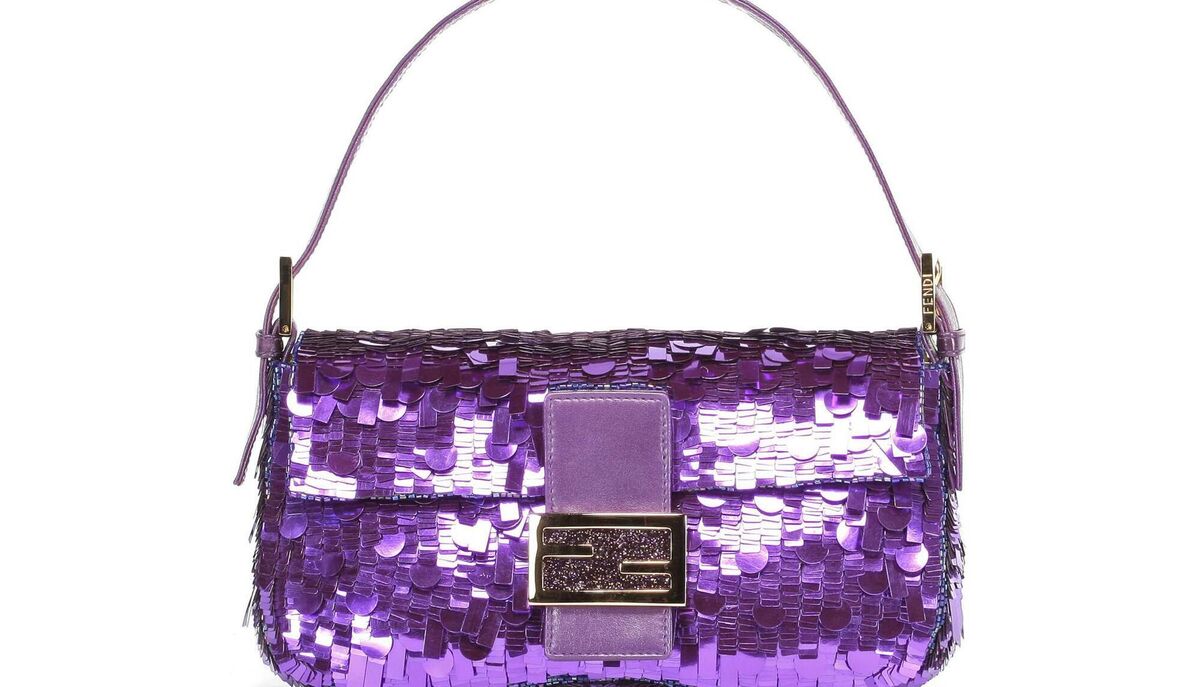
Flaunting handbags priced upwards of €2,000 was plain vulgar during the subsequent recession and would look even more tone-deaf right now. They’re still quite pretty to see.
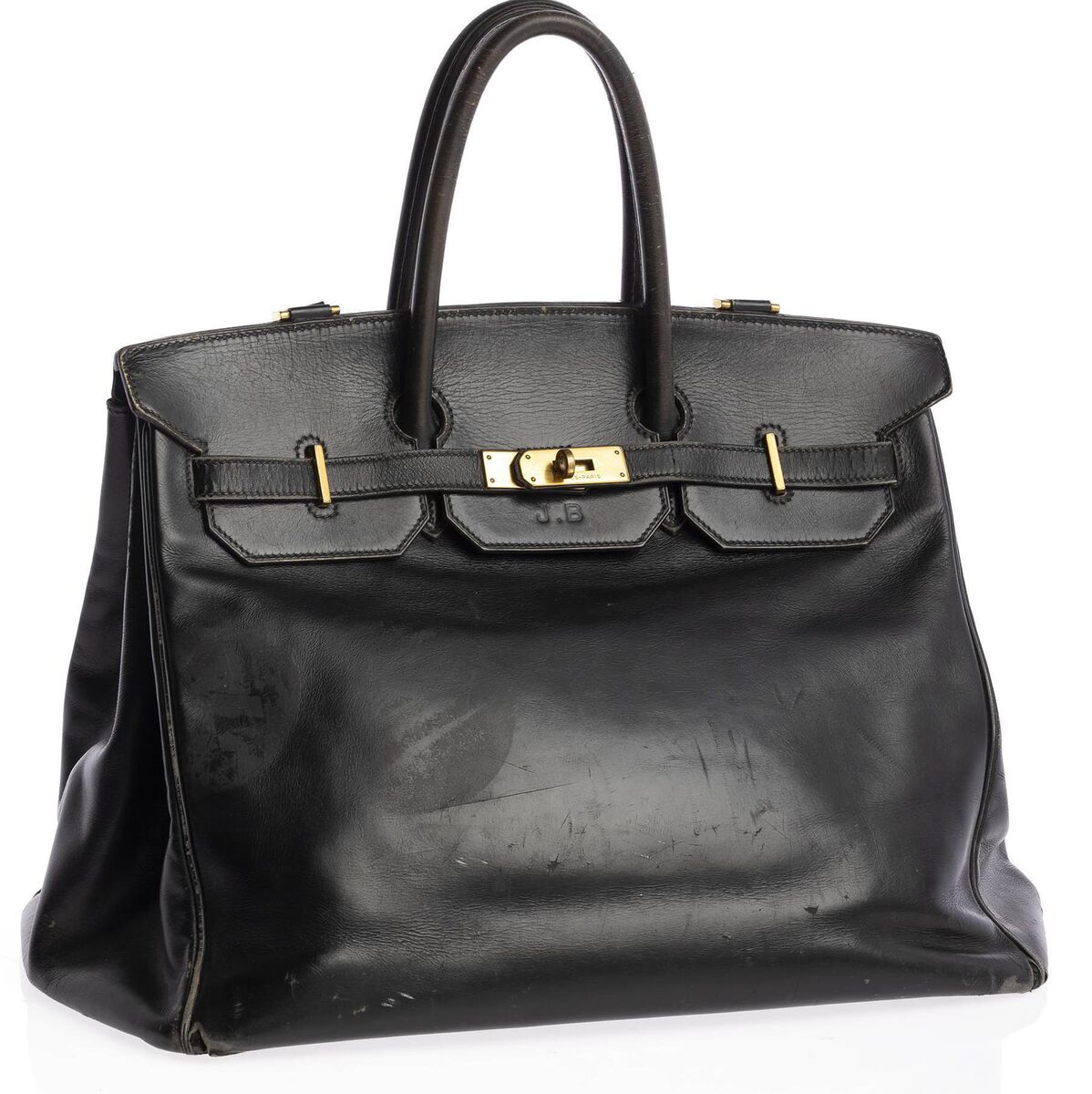
The exhibition is sponsored by Mulberry, which launched the hit-bags ‘Roxanne’ and ‘Bayswater’ back when Stuart Vevers was at the helm. Kate Moss’ own Bayswater is an exhibit. The ‘Lady Dior’ handbag named after Princess Diana is an even starker example of how celebrity and brand name combine to make a bestseller. There are lots of ‘it’ bags by other brands, including the Fendi baguette worn by Sarah Jessica Parker in and the aforementioned Birkin owned by Jane Birkin. The Hermès Birkin bag is still such a luxury heavyweight that its investment potential is greater than classic cars, rare whiskies and some kinds of art, according to a July report by London-based analysts, Art Market Research.

The Birkin may be in a class all its own but estimating someone’s status by their bag is such a tricky thing that we should probably just drop it. A leather expert will tell you that the quality of a ‘Speedy’ and popular other Louis Vuitton bags is inferior to that of much cheaper leather bags, for example, but those don’t come with Vuitton’s famous initials.
Many bags made of plastic or fabric are also priced well above their worth because they bear a logo. These are not the sort of bags that will survive for your granddaughter, so tend to symbolise a woman’s lack of savvy rather than her style.
There’s also the sheer discomfort of being a walking advertisement. As Harper’s Bazaar UK editor, Justine Picardie, wrote in her essay 'Uniforms to Avoid (Or How to avoid uniformity)' from , Pan Macmillan, “You don’t need that badge: you’ve got nothing to prove.”
One benefit of the association of designer bags with status is the elevation of styles made from green-conscious materials through sustainable practices. British sustainable fashion brand, Bottletop, celebrates the beauty and versatility of upcycled materials, working with local artisans in Brazil and Nepal to create luxury bags while supporting grassroots health, education and skills training projects. Their chainmail bag is one of the newer items on display, as is one of Stella McCartney’s recycled ocean-waste plastic backpacks.
“There is a duality of function is unique to the bag — the contents are extremely personal but the exterior is visible to the world,” says Ms. Savi.
The mystery of a bag’s interior strikes us early, through Mary Poppins’ magical carpet bag or perhaps the bags and briefcases of family members.

'What’s in her handbag?' features are so popular in media that female celebrities and politicians seem to pack for them, as was revealed when Hillary Clinton appeared to admit to carrying a bottle of hot sauce to appeal to African-American voters during a 2016 interview with New York radio station Power 105.1 FM. Margaret Thatcher made 'handbag' a verb: the exhibition’s inclusion of one of the late Conservative Prime Minister’s Asprey bag in this exhibition made news in Britain because the V&A has reportedly been rejecting submissions from her wardrobe for years. The gas-mask bag owned by Queen Mary during the Second World War throws the expression 'I carry my life in my handbag' into a whole new perspective.
One of the most popular elements of Dior’s 70th-anniversary exhibition at the Musée Les Arts Décoratifs in 2017 was its focus on the hardworking teams behind the haute couture.
This exhibition also pays a well-deserved tribute to the hands that make bags. Ms Savi and her team aim to “lift the lid off the ingenuity employed by leading brands". Sketches, samples and prototypes from international fashion houses show the innovative early stages of the design process.
A ‘maker’s table’ allows visitors a bird’s eye view of bag-making processes and materials.
Specially commissioned interviews with designers and artisans make up a mini masterclass.
As creative as bag designs get, necessity is still the mother of invention. First produced by Paris luggage company, Godillot, in the mid-19th century, briefcases contain tech devices today but the basic shape still echoes the outline of documents. Vivien Leigh’s attaché case is in the exhibition. The structured handbag as we now know it is thought to have been invented in 1841 when a Yorkshireman called Samuel Parkinson realised that his wife’s purse was not large or durable enough for travel and had leather goods company, HJ Cave & Sons, make monogrammed handbags for her in different sizes and for different occasions.
Design wasn’t even Mr Parkinson’s job — he owned a company that made butterscotch which the Royal Family enjoyed! This Mrs Parkinson was clearly a very lucky woman and her luck’s been spread, as HJ Cave & Sons’ work later inspired Louis Vuitton and Guccio Gucci.
The embodiment of old-Hollywood style- Grace Kelly 🌟
— V&A (@V_and_A) November 28, 2020
Here she is before her wedding in 1955, with one of the most iconic handbags of all time, renamed 'Kelly' by Hermès in her honour. Read more about our #BagsInsideOut exhibition here: https://t.co/N2gYceL8lK pic.twitter.com/cLod519ZmX
An important take away from this exhibition is just how great vintage bags can look. Shoes decline in value as soon as you step out in them and wear and dry-cleaning chemicals dull even the most fabulous clothes. Bags can be real assets, even if you choose to simply keep them in the family. Vintage shopping is better for the environment and — provided you don’t splash out at an auction or Didier Ludot — for your bank balance. It can support charities and help sustain small businesses. You may want just one bag in your wardrobe right now but if you do shop for one this month, make sure it’s a keeper.
Bags: Inside Out, sponsored by Mulberry, takes place at London’s Victoria and Albert Museum


CONNECT WITH US TODAY



Be the first to know the latest news and updates