Gabriela Hearst’s honest luxury
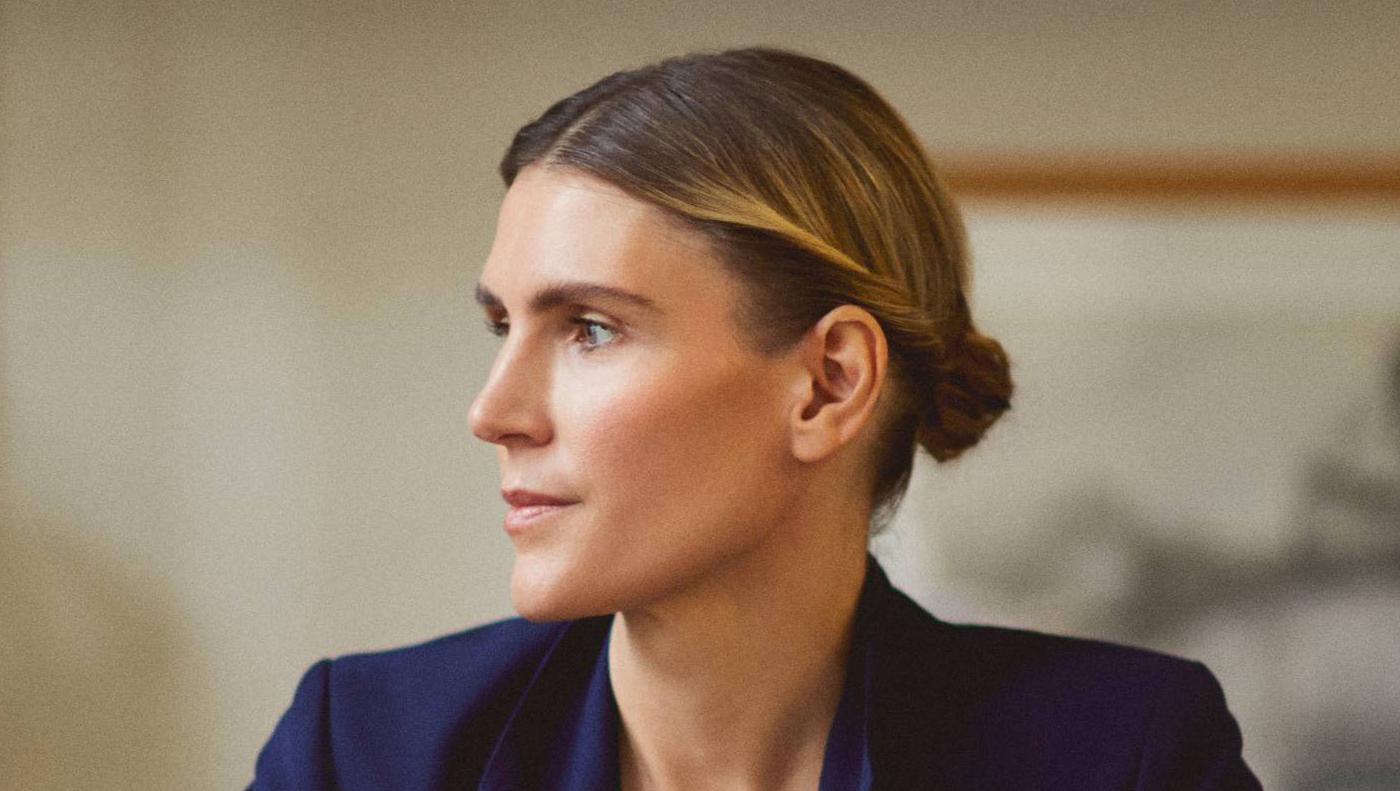
Gabriela Hearst
Like many, the fashion designer Gabriela Hearst had vivid dreams during lockdown. The pandemic compounded with the Black Lives Matter protests throughout the summer months meant there was a lot to process. It was a heavy time, she says. She found solace in drawing and painting every day. It was a habit she kept for 40 days.
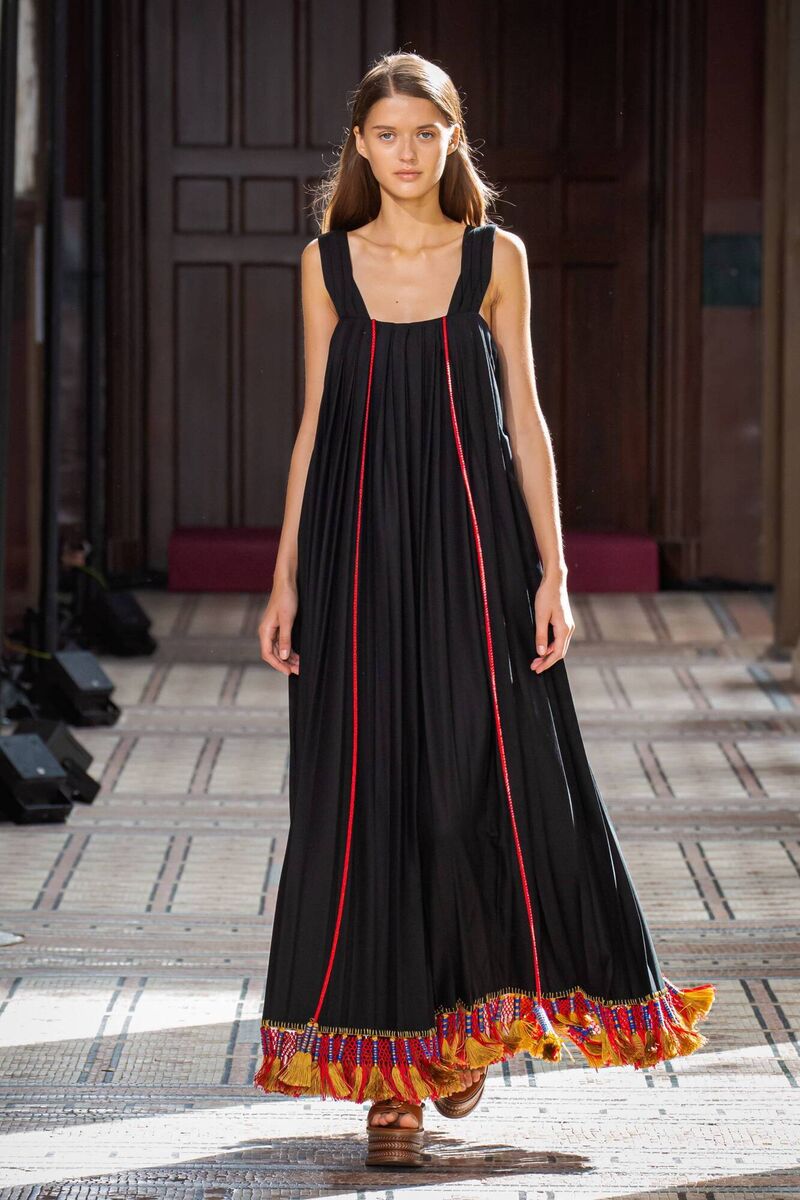
One of her dreams involved creating a dress for grandmother and that dress walking in a fashion show. Earlier this month, at Paris Fashion Week, in a collection based around elegance that evokes poise and power, interwoven with a homespun feel deriving from her ranch upbringing in South America, there were passages of dresses that could easily be plucked from a dream.
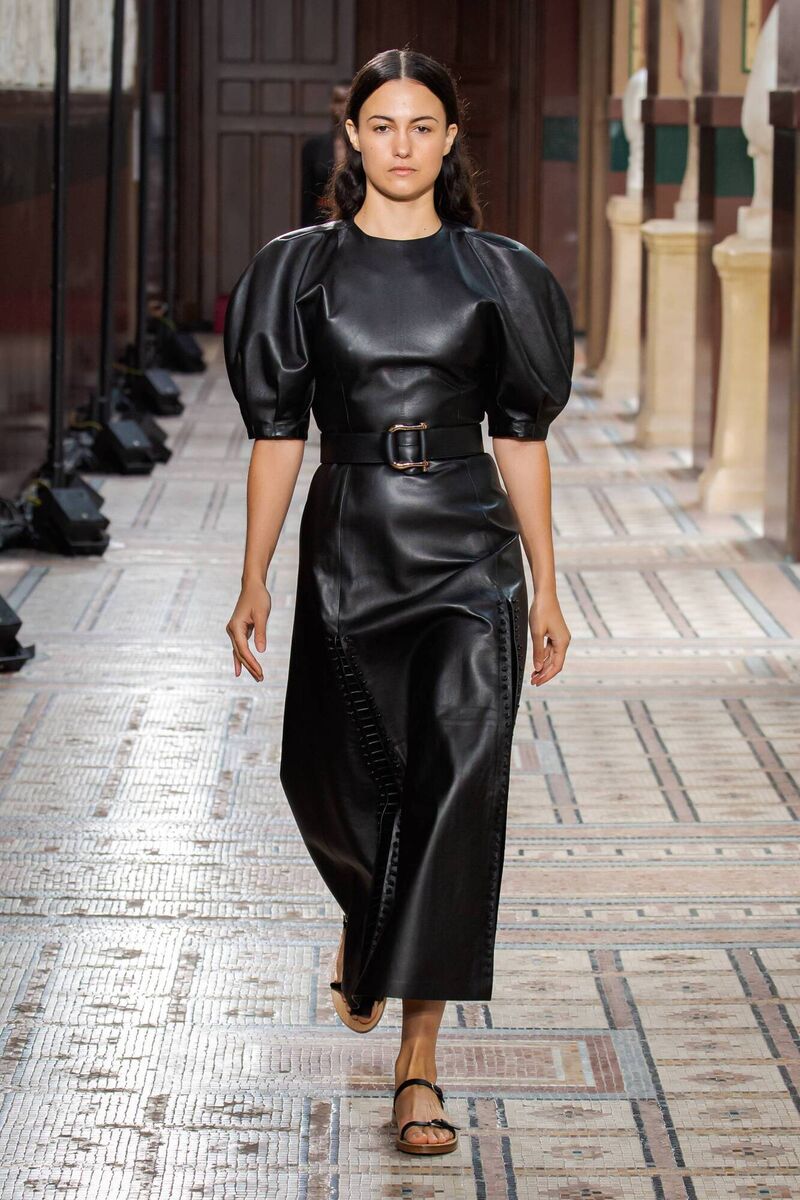
They were in ivory silk and eyeleted knit, handwoven and embellished with shell detailing, that will capture the hearts of her loyal customers around the globe and the likes of Jill Biden, Oprah, and Megan Markle — all of whom she counts as fans.
Gabriela Hearst is no ordinary designer. When it comes to social responsibility, it is as much the crux of her brand as good design, quality, and craftsmanship.
The bloated rhetoric around sustainable fashion is perhaps one of the most troubling issues facing the world today. Sustainability has become a flashy buzzword but it’s usually no more than subterfuge. The true cost of fashion is alarming.
But when it comes to sustainability, Gabriela Hearst doesn’t mess around.
She is transparent about how her garments get to the shopfloor. She was the first brand to host a carbon-neutral fashion show and remains one of the few still doing so. She was one of the first brands to introduce compostable bioplastics for packaging. She has set herself a goal to eliminate the use of virgin materials by 2022.
“It wasn’t about being the first to do things, it was about common sense,” says Hearst, adding that when she first started using deadstock materials in fashion, “it was a dirty word". Now, environmentalism is the name of the game.
Hearst comes from a 17,000-acre ranch populated mostly by horses, cattle, and sheep, in Santa Isabel, Uruguay, which is two and a half hours away from the nearest city. It's the place where her family has lived for more than 170 years.
The allure of city life eventually seduced her: she moved to Montevideo at a young age, where she studied communications; Paris, where she spent a short time modelling; finally, New York, where she pursued a performing arts degree while modelling on the side. It was there where she met her future husband, Austin Hearst, scion of an American media dynasty and where the two live, in Manhattan, with their children, Mia, Olivia, and Jack.
Hearst still runs the farm in Uruguay, with a foreman operating the farm in her absence. She still visits from New York a few times a year to oversee its upkeep.
“When I was young I wanted to get the hell out of there, but looking back it was quite romantic. I feel so lucky that I was able to grow up that way,” said Hearst, though she admits she loves living in New York.
In 2004, she launched her first ready-to-wear label, Candela, with two business partners and just $700. Within a year, the business had mushroomed to $1 million.
However, Hearst felt pigeonholed by the contemporary market: “It wasn’t a product that had the standards I wanted to have so the only way was to start over."
In 2015, she opened a new chapter with the launch of her namesake label which she calls a “New York label with a Uruguayan heart". Something Hearst learned while studying performing arts — the Meisner technique, an approach to acting in which the actor embraces authenticity in order to liberate themselves and be a good actor — was pivotal in the launch. It forced her to be open and accountable for the decisions she makes.
“If we’re going to take space, if somebody is going to buy our products, the goal has to be high: it has to be superior in craftsmanship in design and quality and have the lowest impact on the environment.”
That being said, Hearst knows it takes good design to sell, above all else: “Nobody is going to buy you for your good intentions. It has to be about beauty and desirability as well because that speaks to our soul.”
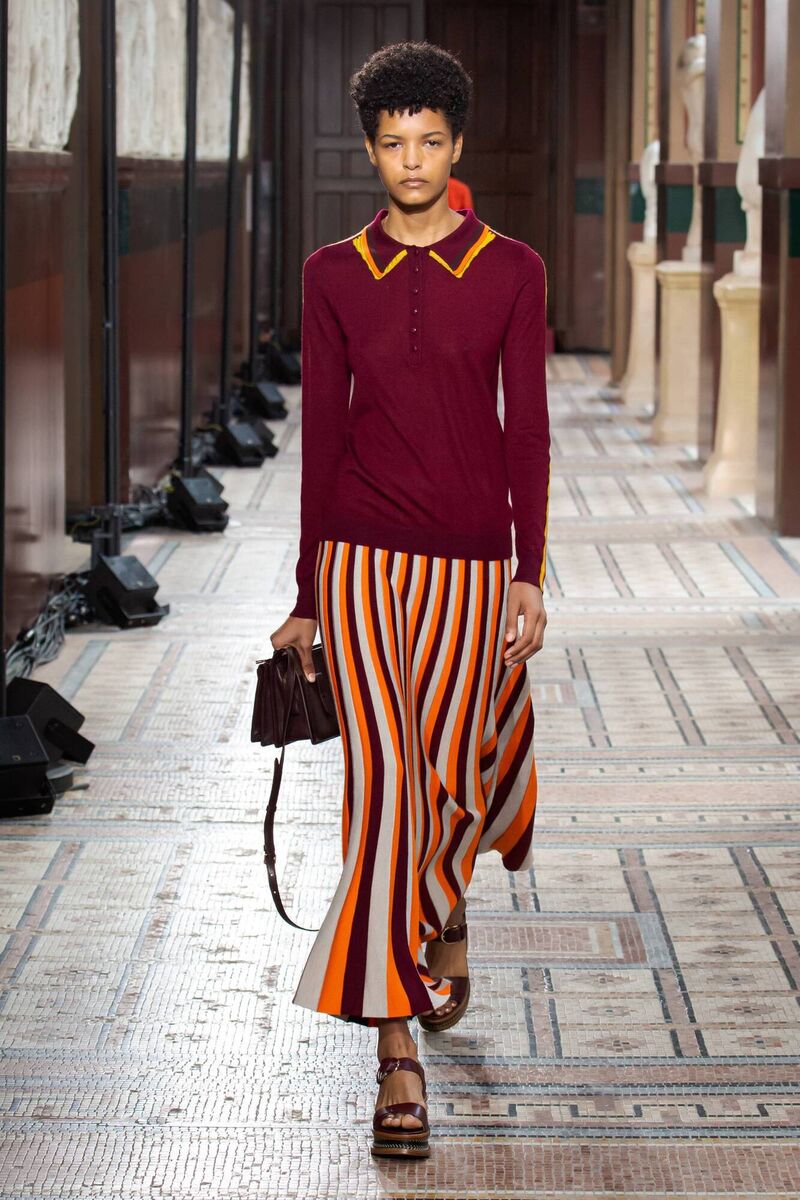
In stores and online now, one would find a dignified array of cashmere blend basics, wool skirts and turtleneck sweaters in muted tones, alongside a smattering of pretty cotton shirt dresses, and fringed cashmere wraps inspired by the Latin gaucho tradition. The latter, a testament to her appeal, are mostly sold out.
Her decision to show at Paris Fashion Week earlier this month was in a bid to reduce the carbon footprint of her clothes, typically made in Europe, from travelling across the pond to New York, where she lives and presented her collections at fashion week until recently.
Unlike most designers, who showed digitally through fashion films or imagery, Hearst invited guests to a physical space. In the two weeks before and after the show, there were 196,000 cases of COVID-19 reported in France. There were only 100 socially-distanced attendees at her presentation. It was, she said, her favourite show yet for how they showed 30 looks despite production obstructions — and the guests who chose to come.
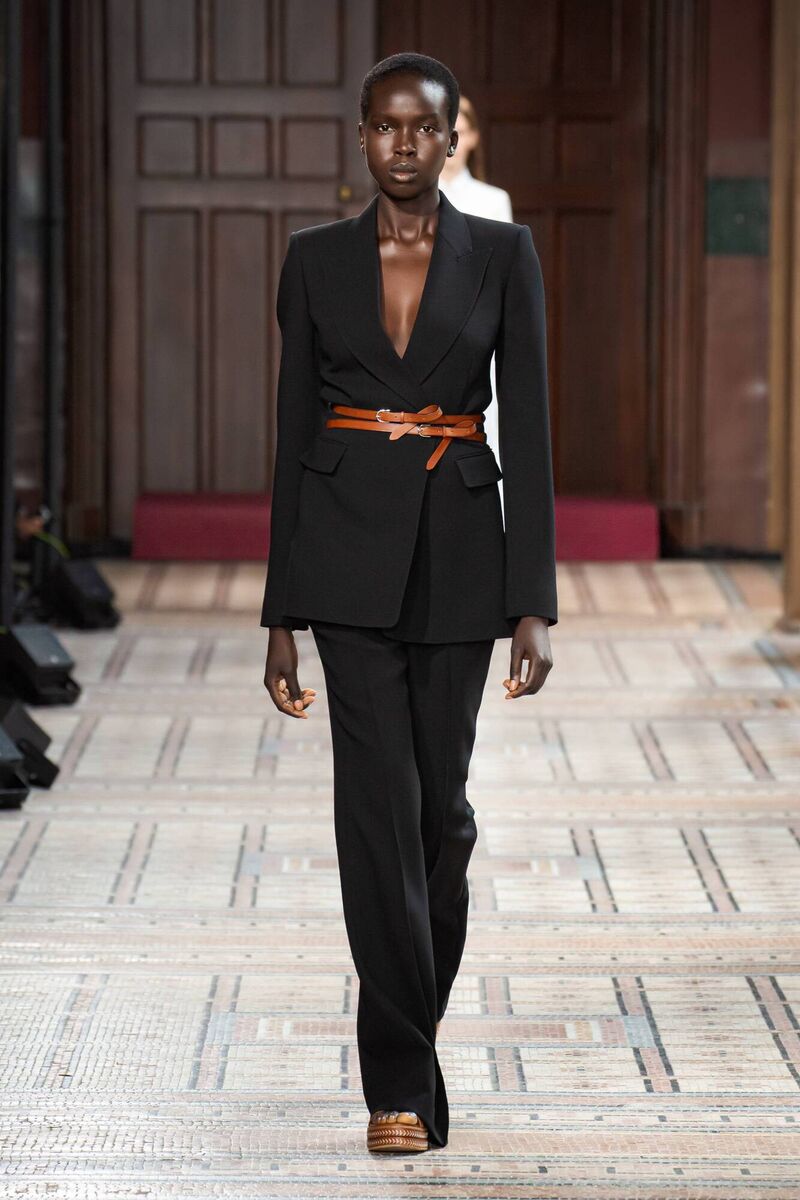
The vision she has in store for next year is a graceful and defiant response to the tumult of our times: models sheathed in elegant ivory slip dresses, others shielded in leather two-pieces and some sharp tailoring, and a warming passage of colourful knit dresses and shawls. They would make one yearn for summer days before social distancing, or else emboldened to empower oneself in spite of the mood dampening effects of the time we find ourselves. There is light at the end of the tunnel, the clothes softly whispered.
Hearst, 43, is frank and direct, and her warmth and humour shines through even over Zoom. Calling from her Manhattan apartment, Hearst is blonde and lithe with a face framed by sharp features and shoulder-length hair, and wears a mustard, ribbed turtleneck sweater.
She is forthcoming about everything from life (she loves Latin cuisine, her tipple is mescal) to sustainability (“I don’t want my kids to think ‘mom was on the sidelines: she had a platform and she did nothing'.”) and the upcoming US presidential election, which falls on her birthday (“it was worse than we thought it was going to be… The most sustainable thing you can do this year is to vote.”)
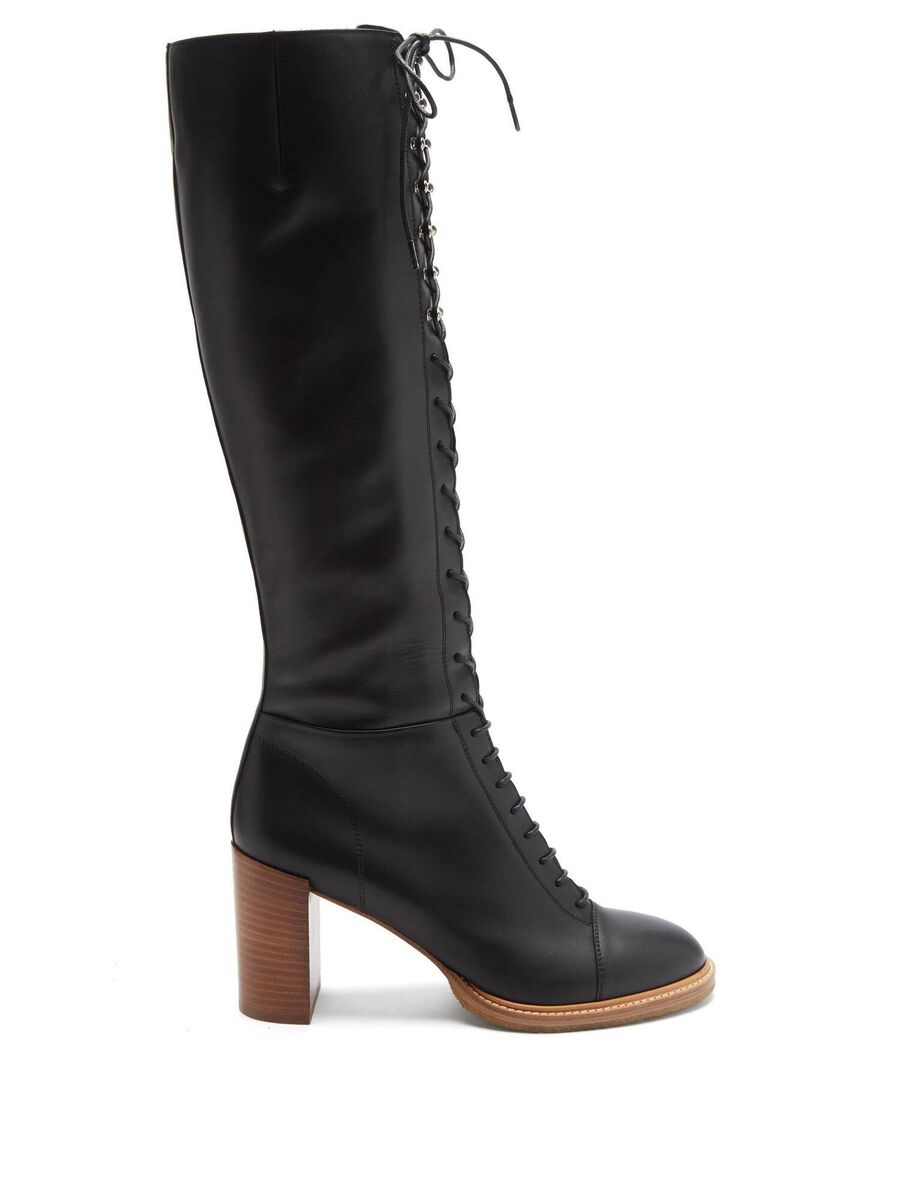
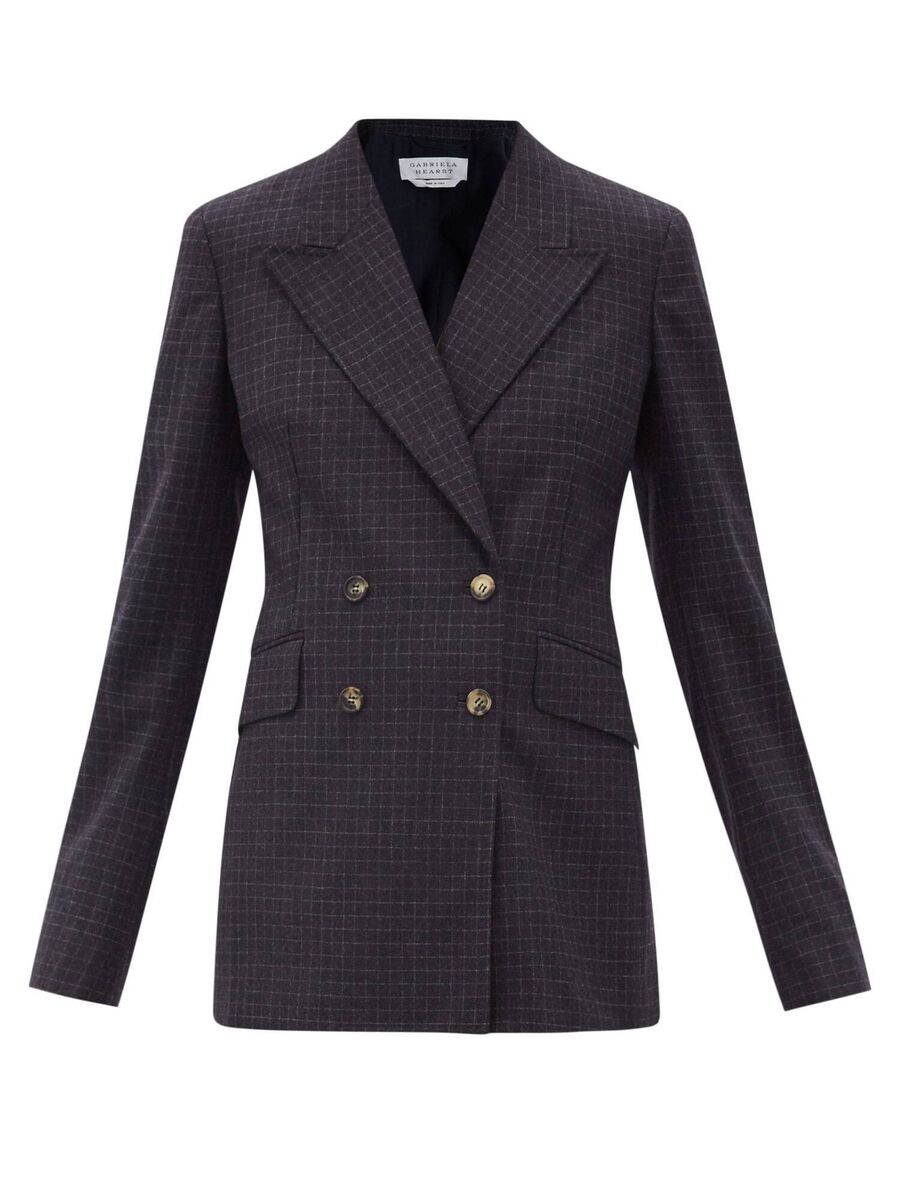
Hearst’s label is often compared to European luxury labels in how she works with limited distribution, an elevated pricepoint, and a quieter approach to design. Her bags, such as the ‘Nina’ style, available through inquiry on her website, might cost thousands but Hearst believes time, materials, and craftsmanship bear a significant worth.
Importantly, Hearst is at the heart of her label. Look no further than the brand’s Instagram, where she can be seen sharing her outfits of the day. It’s what makes her so likeable. She, like a lot of her customers, is a professional woman balancing work, life, motherhood, and everything in between.
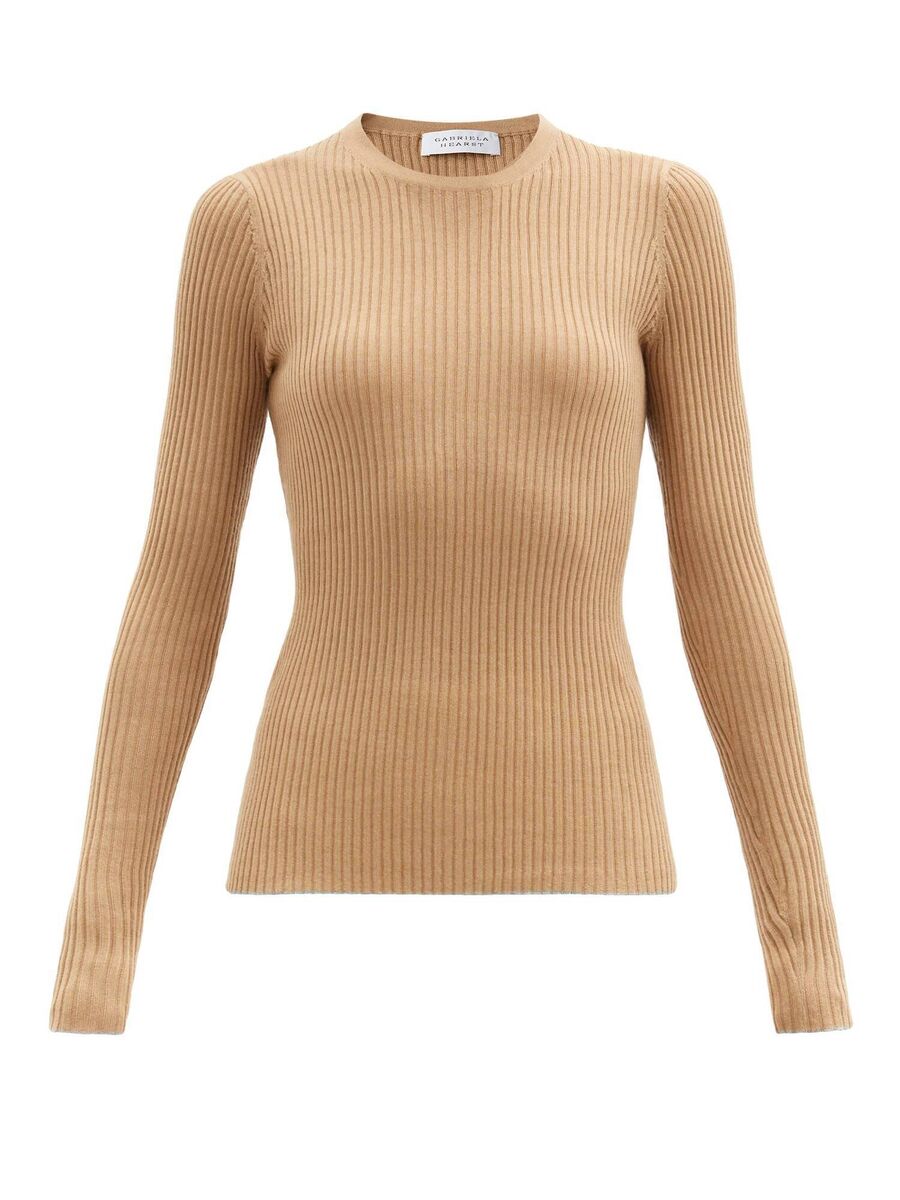
Many women will share her sentiment of building an enduring wardrobe that disregards ephemeral trend cycles, favouring good quality clothes that have a chameleonic ability to adapt to any space or time.
Her clothes have an attitude which mirrors that way of life: a timeless mélange of refined elegance but not without a hint of romanticism or fun, spun with a sense of ease and lightheartedness. With that comes an overarching environmental conscience.
Natalie Kingham, fashion and buying director at MATCHESFASHION, is an ardent supporter, highlighting her knitwear and tailoring as personal favourites. She commends her “sustainable, uplifting message which is exactly what women need right now".
“There’s no tricks to what we do: the product has its own purpose to be there, from how it's made to who made it,” Hearst said.
Going forward, she’s focusing on “beauty that inspires” and less suits, “because who’s going to an office".
In her spare time, she’s been reading. She came across the word ‘eucatastrophe,’ which denotes a sudden, favourable resolution despite perilous, highly probable doom. In the face of everything that the world is going through, Hearst smiles at the thought of the word: “That concept makes me very positive.”
CONNECT WITH US TODAY



Be the first to know the latest news and updates