The Skin Nerd: How to deal with eczema
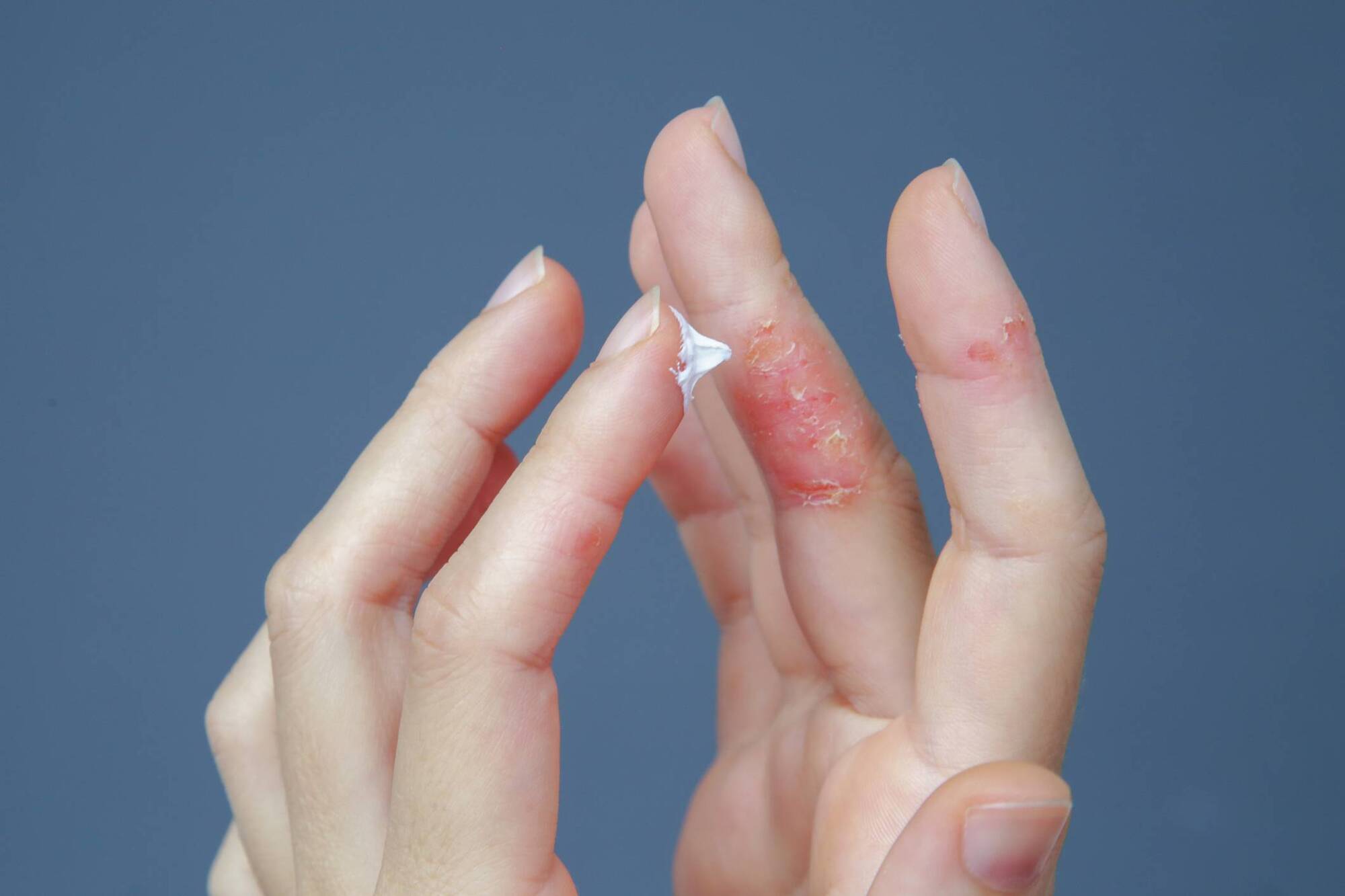
Eczema is a chronic skin condition that is incredibly common, affecting around 1 in 5 children and 1 in 10 adults, according to the Irish Skin Foundation. Although there are plenty of educational and helpful resources out there, such as the Irish Skin Foundation website, misinformation on the condition is rampant. Eczema is not simply dry skin, nor is it an occasional itchiness or a sudden rash, for most people. Unfortunately, there is no one easy “cure” for eczema but thankfully, it can be managed.
As eczema is a medical skin condition, your first port of call is a GP. In skin therapy, it is widely accepted as our duty to refer clients to a GP if they are unaware that their symptoms point towards eczema. I must note that when it comes to the management of eczema, there is plenty of advice we can offer to those suffering from it alongside the advice that you may receive from your GP. This is why I often mention what I call the skin health jigsaw puzzle, the term I use to refer to a holistic approach to skin health featuring different disciplines – for example, general practice doctors, dermatologists, nutritionists, skin therapists and psychologists.
Another thing to note is that eczema is more of a category than a condition itself, and when we refer to eczema, we often mean specifically atopic eczema, the most common form. Those who suffer from eczema may see symptoms such as red, purple or grey-ish patches of inflammation, itching, scaly patches, swelling and cracking, accompanied by skin soreness and discomfort. In some, especially in cases of cracking or those who scratch, the open wounds may allow for infection.
Additionally, in research, those with atopic eczema have lower amounts of lipids and differences in the lipids in their skin, and tend to have problems with the functioning of their skin barrier, the protective layer that helps our skin to keep irritants out whilst retaining moisture. In terms of triggers, some common eczema triggers include potentially irritating cosmetic ingredients such as certain sulphates and drying alcohols, extreme weather, mites, pollen, food allergies, hormonal changes, stress and dry or dusty air.
As mentioned, your first line of treatment is that which is recommended by your GP. We have many clients who suffer from eczema in the Nerd Network – from their feedback, we know that many find essential fatty acid supplements, such as an omega supplement, very helpful, and skincare that contains anti-inflammatory ingredients can assist too.
In studies, omega-3 supplementation has shown to be promising in helping with the symptoms of eczema – as has increasing the omega-3 in your diet through a food first approach. If you are examining your skincare routine to see if it could be exacerbating your skincare routine, look at your cleanser first. The cleansers that most humans find fantastic contain ingredients that may be too harsh for those with eczema. Nourishing, creamy probiotic cleansers would be my go-to recommendation for those with sensitive, reactive skin, such as Skingredients PreProbiotic Cleanse (€25, skingredients.com, selected pharmacies and department stores). Another product that many adore for eczema is the Avène Thermal Water Spray (€15, theskinnerd.com and selected pharmacies) as it contains a specific anti-itch microflora.
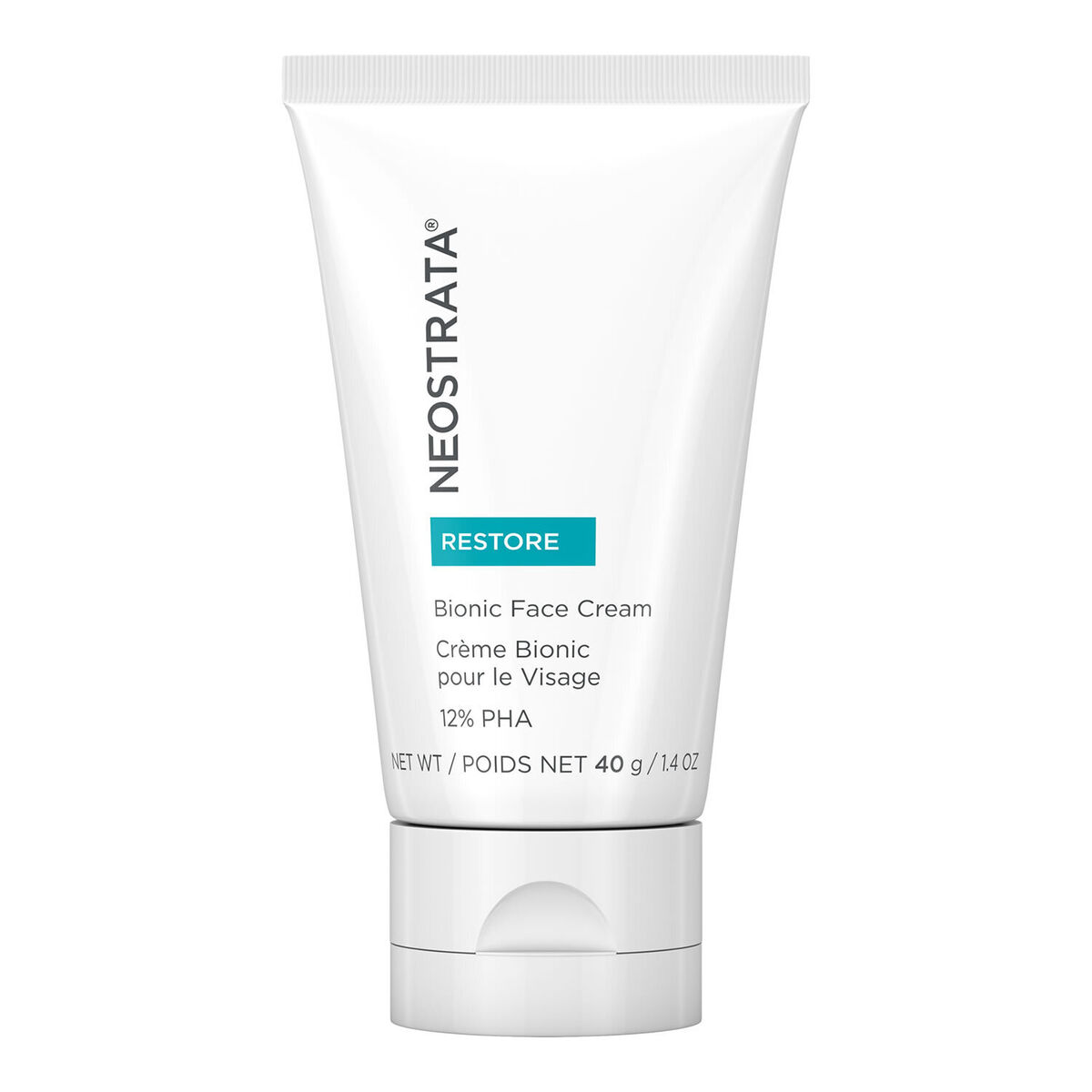
The particularly nerdie ingredient in Neostrata’s Bionic Face Cream (€56.20, theskinnerd.com and selected pharmacies) is polyhydroxy acid (in the form of both gluconolactone and lactobionic acid).
This emollient cream works to calm skin irritation and reduce redness, and is deeply hydrating. It is not only anti-ageing, proven to reduce lines, wrinkles and other signs of ageing visibly, but it is non-irritating which is of course very important for those with eczema or those with sensitive skin.
Pop this over your serums or apply directly post-cleansing. It also makes an excellent night cream due to its emollient, moisture-locking properties.


CONNECT WITH US TODAY



Be the first to know the latest news and updates