In the ‘enchanted’ dungeon there is nothing to do but wait
Badly served by his initial counsel, new lawyers have taken up his case and have hired a top investigator, known as The Lady (because in a place like this, only the monstrous have names), to search for any mitigating circumstances that might be used to keep their client from his hard-earned fate. But there’s a catch: York wants to die.
The Lady searches his past, seeking out an old aunt, the places he’d lived as a boy. His mother, mentally disabled, had been a target for countless men, which too often, from infancy, made York a target too. His medical records read as a litany of abuse, and the situation only got worse and worse. Even when a glimmer of light offered itself, in the form of Troy, one of the few decent ones, the goodness couldn’t last.
The prison is a Colosseum of barbarity. The warden is straight, but dulled by a wife at home in the final stages of a brutal cancer, and around him, corruption reigns. A system of abuse is in place: smuggled heroin; organised murders; a corrupt guard, Conroy, who channels fresh young prisoners — like the newly arrived 16 year-old albino boy — into the clutches, and the cell, of an evil gang leader named Risk. And down below, in the dungeon, down where time has stopped, there is nothing to do but wait.
Offering comfort to the ruined, is a fallen priest. Gradually, over shared lunches and snatched conversations, he and the Lady find comfort in one another, unfurling their own tragic and shameful stories, their own pains, their own pasts.
And as York’s deadline approaches, his file grows. Maybe there is still a chance of escape, not into the world at large but into the Hall of the Lifers, upstairs.
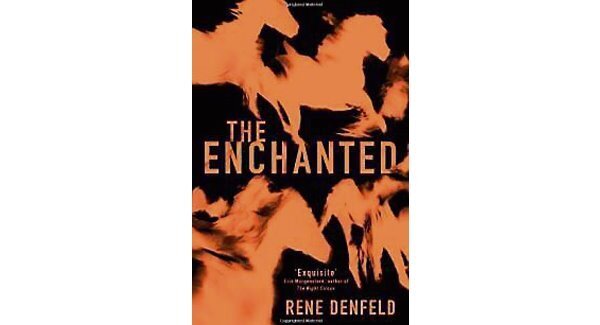
Drawn from the author’s personal experience of working as a death-penalty investigator, ‘The Enchanted’ is a debut novel of quite astonishing assurance, one that has already earned considerable plaudits, including France’s prestigious Prix du Premier Roman Etranger for 2014. Written in a lyrical style that explodes, at times, into outright poetry, it employs a complex narrative approach, the more or less omniscient point of view — and deeply harmed mind — of another Death Row prisoner, that right from the start encourages a strange sense of magic.
But this is not the Shawshank Redemption or the Green Mile, as good as those stories were, and are; this is a book that oozes authenticity, a novel of atrocity, redemption, justice and mercy, swinging back and forth between the almost unbearably horrific and the heartbreakingly moving.
It is also a journey into the most hidden recesses of the human heart, a commentary on a state and system that cages up its worst elements and allows them to wage war on one another rather than trying to tend to their ills, and a treatise on suffering both inflicted and borne, the realisation that there are consequences to every action and that every wound leaves an enduring mark.
In the end, it’s not the monstrosities that make this book so compulsively readable, it’s the unwavering sense of humanity.
Compassion wrings from these pages; not the politically correct sort of compassion that can sometimes blur the line between victim and perpetrator and feels disconnected from the notion of justice, but one that strives for genuine understanding and which tries to make sense of body and soul.
CONNECT WITH US TODAY



Be the first to know the latest news and updates









