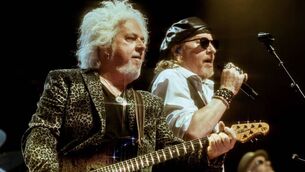
Boney M: Maizie Williams on bringing the hit machine to Cork Jazz Festival
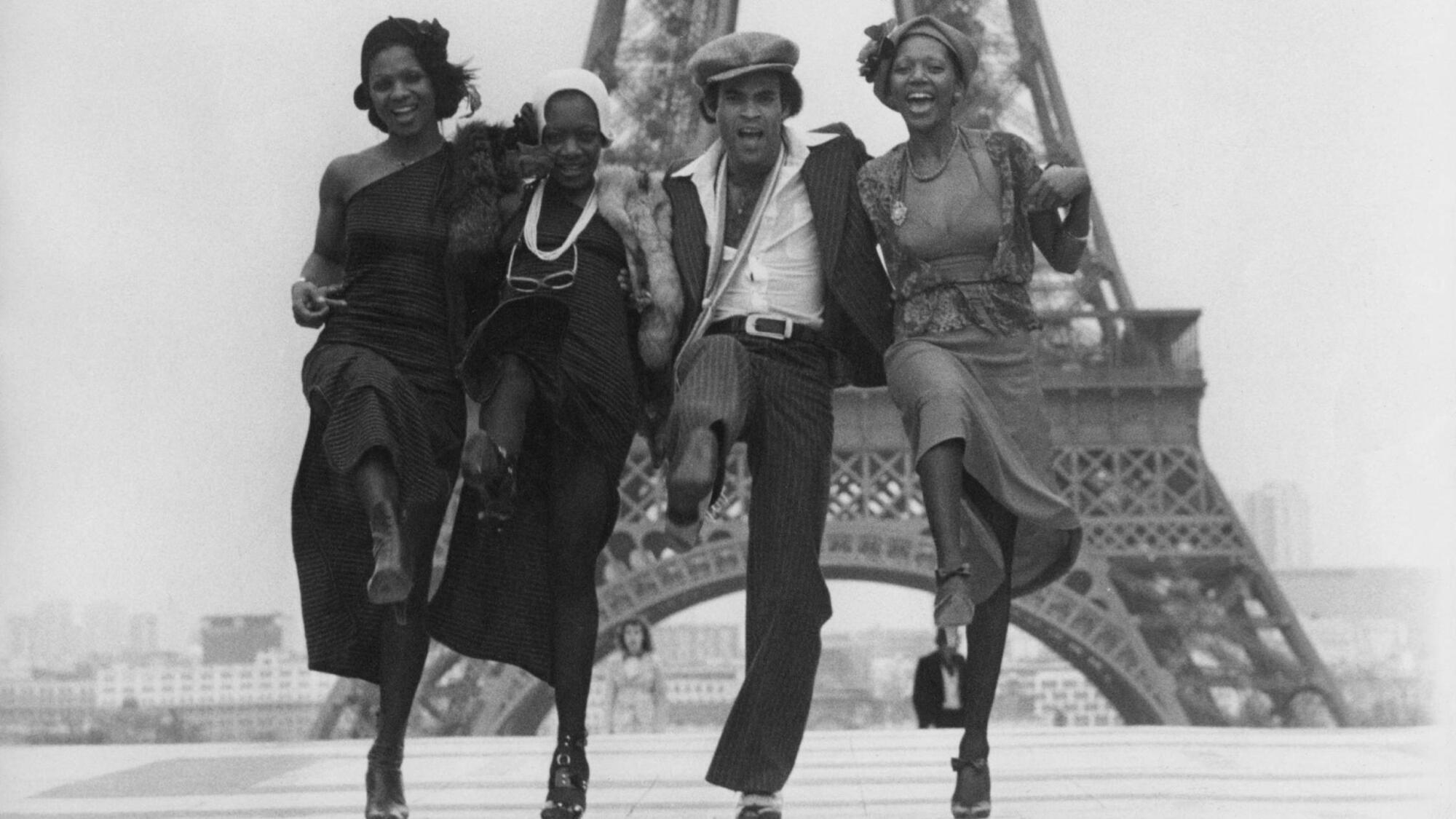
Boney M: Maizie Williams, second from left, and the other members of the group in Paris in 1977. A version of the group with Williams plays the Guinness Cork Jazz Festival. (Photo by Keystone/Hulton Archive/Getty Images)
The 1970s tends to draw the short straw as a decade, often portrayed as a drab and gloomy interlude between the swinging ’60s and the day-glo promise of the ’80s. However, it was the decade that gave us disco, which emerged from the urban nightlife scene in the US, bringing glitz, glamour and the joy of communal dancing to the dance floor.
One of the biggest acts of the era was Boney M, who achieved huge success with an exuberant sound blending disco, reggae, funk, gospel, soul and pop. They had a stream of massive hits and were known for their extravagant costumes and distinctive performances, piped into homes where on a Thursday night was appointment viewing.
One of those gracing the stage throughout the band’s heyday was Maizie Williams, a core Boney M member along with vocalists Marcia Barrett, Liz Mitchell and dancer Bobby Farrell. Born in Montserrat and raised in England, she was working as a model when she was selected to be part of the band in 1975.
More than 50 years on, she is still performing, and is bringing a show marking that milestone to the Cork Opera House as part of this year’s Cork Jazz Festival. She says it feels “incredible” to be celebrating 50 years of Boney M.
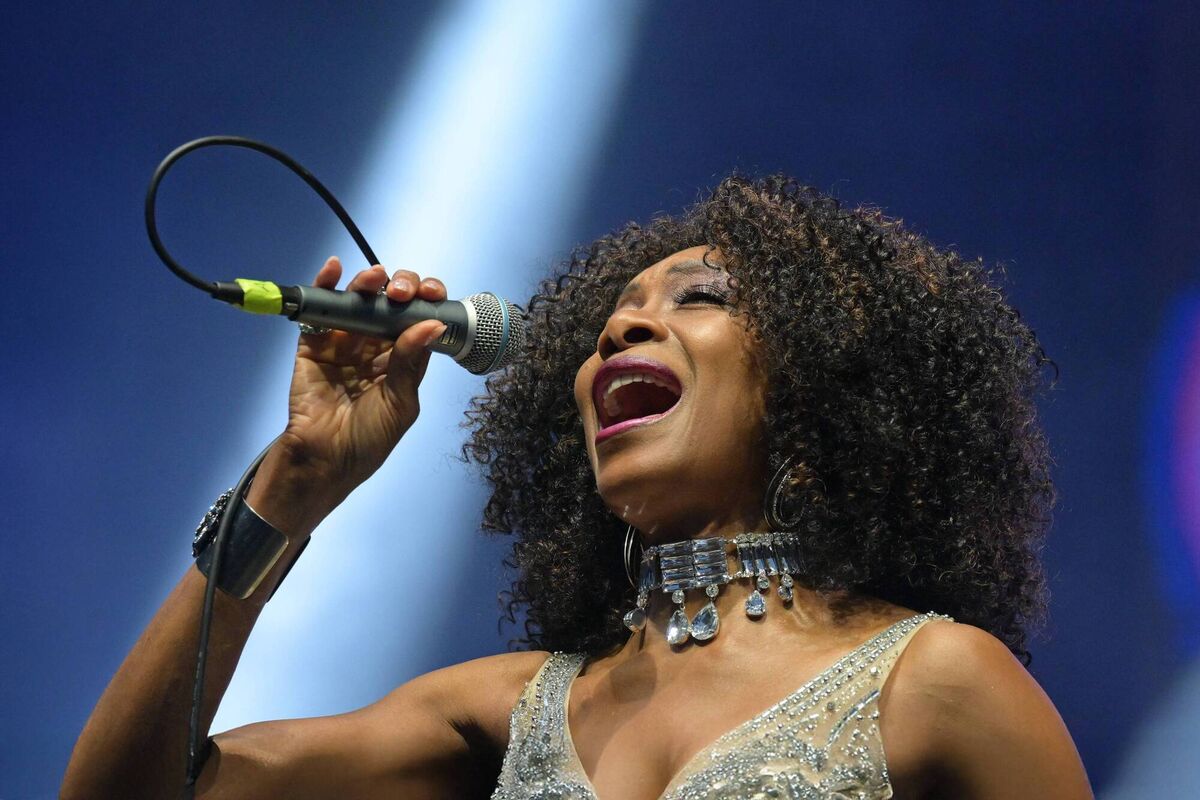
“The songs have stood the test of time and continue to bring people together all over the world. What makes this anniversary even more meaningful is seeing audiences of all ages singing and dancing to the same hits today as they did 50 years ago,” she says.
The mastermind behind the band was German producer Frank Farian, who died in 2024. According to Williams, working with Farian was a “unique” experience. “He had an extraordinary vision for the music, and we were fortunate to be part of something that was completely different from anything else at the time. The music was a wonderful combination of unforgettable melodies, infectious rhythms, great production and a distinctive sound.”
Farian had an unerring gift for crafting hits and, on occasion, a rather relaxed approach to who sang them. While Farrell was a front-facing member of Boney M, it was Farian who performed the male vocal parts in the recordings. Farian later worked with Milli Vanilli, who became embroiled in an infamous lip-syncing scandal. One couldn’t argue with Farian’s musical instincts, however, and success came quickly for Boney M.
“One moment we were working hard to establish ourselves, and the next we were travelling internationally, appearing on television and performing in front of thousands of people. It was an incredible adventure. Of course, it wasn't always easy. There were long days, endless travelling, rehearsals and the pressures that came with international success. But we were young, full of energy and excited about everything that was happening around us,” says Williams.
One standout memory is the group’s historic visit to the Soviet Union in 1978, when very few Western pop groups were performing there. “It was an extraordinary opportunity and something that will always remain a special part of Boney M's history,” says Williams. “We have also enjoyed some incredible experiences performing throughout Asia, the Middle East, Africa and Europe. What has always fascinated me is how Boney M's music connects with people regardless of their nationality, language or background.”
The band eventually fell apart in the mid 1980s, splintering off into various competing line-ups amid disputes over rights and royalties. Like Farrell, Williams did not feature on the band’s studio recordings. When she later took her own show on the road, it meant stepping up to become a lead vocalist for the first time, something she found challenging at first.
“There was some pressure, but I saw it as an opportunity to grow as a performer. The most important thing for me was always to respect the legacy of Boney M while bringing my own personality, style and energy to the performances. Over the years, my confidence grew, and I became very comfortable taking centre stage.”
The work ethic and stamina she developed in Boney M is something that has stood to the 75-year-old performer. She will be performing two concerts on the same night at the jazz festival, the band’s first slot having already sold out.
“It certainly takes a lot of energy, but after 50 years in the music business, I have learned how important it is to look after yourself, both physically and mentally. Getting enough rest, staying hydrated and maintaining a healthy lifestyle all play an important part in keeping my voice and energy levels in good shape. I also believe that having a positive attitude and enjoying what you do makes an enormous difference.”
Williams says she is looking forward to bringing some “disco magic” to the jazz festival. While her love for disco is as strong as ever, Williams enjoys listening to everything from jazz to gospel.
“Being part of the Cork Jazz Festival is particularly exciting because it celebrates such a wonderful variety of musical talent and styles. I do enjoy jazz, it is a wonderful style of music, full of soul, creativity and emotion. I have always appreciated talented musicians and the freedom of expression that jazz allows,” she says.
The enduring appeal of Boney M’s music is down to many factors, says Williams but ultimately, you can blame it on the boogie.
“The secret to Boney M's lasting appeal is quite simple: the music makes people feel happy, brings back wonderful memories and, most importantly, makes them want to get up and dance.”
- Boney M featuring Maizie Williams, Cork Opera House, Sat, Oct 24, 7pm and 11.30pm; guinnesscorkjazzfestival.com
The disco/Bible crossover that we didn’t realise we needed, this 1978 cover version was Boney M’s biggest No 1 hit and remains one of the best-selling UK singles of all time. Originally written and performed by Jamaican reggae group the Melodians in 1970, the lyrics were adapted from Psalm 137.
: The B-side of Rivers of Babylon, inspired by a traditional Caribbean folk song, became a humongous hit in its own right, and an everlasting earworm for Generation X. All together now…tra-la-la-la-la.
: The festive season wouldn’t be complete without this blasting out while doing the Christmas shopping. Divine inspiration struck again for this cover version of the 1956 Harry Belafonte hit.
: “Russia’s greatest love machine” otherwise known as the mystical and manipulative advisor to Tsar Nicholas II, was the unlikely subject of this irresistibly catchy number, memorable also for the iconic accompanying dance routine by Bobby Farrell. In an uncanny turn of events, Farrell died in the same city (St Petersburg) and on the same date (Jan 30) as the mad monk himself.
Belfast: One of the more curious entries in the band’s back catalogue, this song, originally titled was about the conflict in the North of Ireland. Written for Marcia Barrett when she was a solo artist in the early 1970s, it was included on the 1977 album