Film reviews: Whalefall is a surprisingly imaginative and claustrophobic creature film
Plus a gripping insight into the quiet, painstaking work of investigative policing
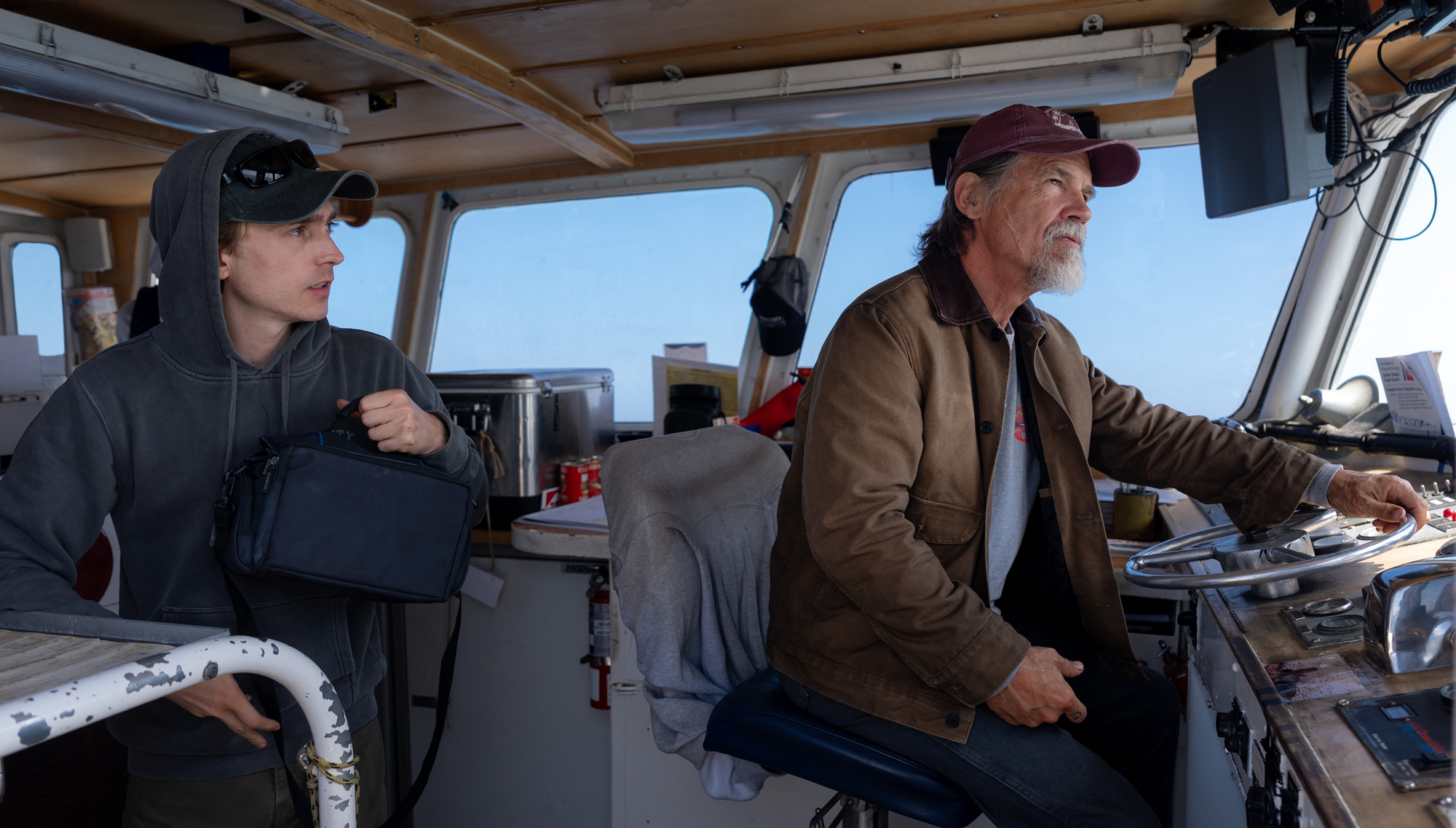
Austin Abrams as Jay Gardiner and Josh Brolin as Mitt Gardiner in Whalefall. Picture: 20th Century Studios.

Austin Abrams as Jay Gardiner and Josh Brolin as Mitt Gardiner in Whalefall. Picture: 20th Century Studios.

Whalefall

★★★★☆

Sharks have dominated aquatic horror for decades, but sometimes the scariest monster in the deep isn’t the one with the sharpest teeth, but the one that leaves you with nowhere to escape.

This becomes horrifyingly literal in Whalefall (15a), based on the book by Daniel Kraus, which sees a young man’s fight for survival when he gets trapped inside a whale.

The film opens with the death of experienced fisherman Mitt Gardiner (Josh Brolin), who falls from his boat while at sea. Mitt’s death leaves his family, including his wife Zara (Elisabeth Shue), without a body to bury. His son, Jay (Austin Abrams), struggles with the loss, having fallen out with his father before his death.

Flashbacks reveal the source of the tension between Mitt and Jay. Determined for his son to follow in his footsteps and join the family business, Mitt pushed Jay to become an exceptional diver, but Jay lacked his father’s passion for the sea. Their conflicting ambitions fuelled constant arguments.

Jay returns from college for the first anniversary of Mitt’s death, but struggles to connect with his family as they reminisce. He decides to dive in the area where his father died, hoping to locate his remains and find some much-needed closure.

It is a challenging body of water, deep and unpredictable, but Jay was trained by his father to handle deep water, so he gears up and dives in.

The atmosphere is dark and oppressive, but Jay knows how to handle the deep until there is a sudden shift in the water, and he finds himself face-to-face with the gaping mouth of an enormous whale, which sucks him in and swallows him whole.

What follows is a disgusting and claustrophobic ordeal. Jay must first contend with the sheer shock of being trapped inside a whale before realising that he is not alone. There is also a giant squid inside the creature, and it is both very much alive and extremely angry.

If the squid isn’t enough to contend with, there is also the deluge of digestive juices that pour over Jay, burning him with their acid as he twists and turns, desperately trying to escape. To make matters worse, he is repeatedly shunted from one part of the whale’s digestive system to another, leaving him with seemingly no way out.

As Jay begins hallucinating, flashbacks reveal lessons from his father on whales, conserving oxygen, and surviving dangerous situations.

These memories of his father’s lessons could prove to be his greatest asset, but will they be enough to help Jay escape the belly of a whale?

Slimy, claustrophobic, and surprisingly imaginative, Whalefall becomes more than just a creature feature. It also serves as a cautionary tale about the natural environment and humanity’s place within it. As horrifying as Jay’s predicament is, the film manages to make us feel sympathy for the whale. After all, it never intended to swallow a human being; Jay was in a place where humans were never meant to be.

The film gets a little bogged down in a late-stage metaphysical detour, but it is easy enough to overlook this as you let the gripping action and relentless tension wash over you.

Forever is Now

★★★☆☆

Directed by Neasa Ní Chianáin, Forever Is Now (12a) revisits Eamon Ryan’s final 18 months in government, weaving together archival footage and insightful interviews to offer an intimate portrait of Ryan — not only as a politician navigating the relentless demands of public life, but also as a devoted father to his 24-year-old son, Tommy, who is autistic and requires round-the-clock care.

Ryan credits his wife, Victoria, with raising their four children and managing the family. Though his job limits his time at home, he spends as much one-on-one time with Tommy as time allows.

In his Dáil office, Ryan’s small team, led by media adviser Edel Hackett, works to advance his environmental agenda. The documentary also explores the online abuse Ryan faces from climate change sceptics and opponents of his policies.

We travel with the team to COP28 and COP29, watch his sit-down meeting with John Kerry, and listen as Ryan addresses the conferences.

We also see the frustration that emerges over long days and late nights as speeches are reworked while the team waits for crucial decisions from those in power.

Simply constructed but effective, Forever Is Now captures the challenges of climate action and the persistence required to achieve it. Despite the setbacks, Ryan’s determination offers a measure of hope.

Case 137

★★★★☆

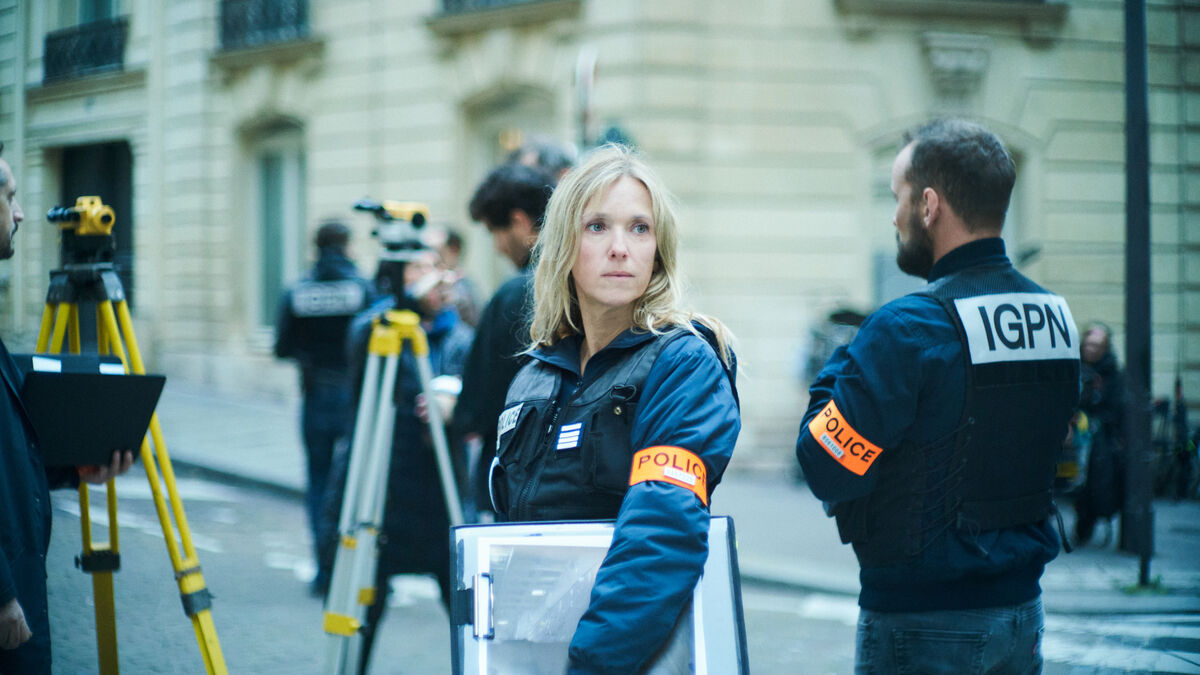
 Stéphanie, played by Léa Drucker in Case 137 Picture: Dominik Moll
Stéphanie, played by Léa Drucker in Case 137 Picture: Dominik Moll

Case 137 (NA) is a new French film inspired by the 2018 gilets jaunes (yellow vest) protests. Stéphanie (Léa Drucker) is a police investigator who probes allegations of police misconduct and illegal activity by fellow officers, putting her in the uncomfortable position of holding her own colleagues to account.

Paris is reeling after the Yellow Vest protests, during which violence erupted on multiple fronts. Amid the unrest, mounting allegations accuse police officers of using excessive force. Joëlle (Sandra Colombo) claims that her 20-year-old son, Guillaume, was shot in the head by a police officer using a rubber-bullet weapon.

As Stéphanie and her team dig deeper, they uncover a troubling picture of the police response to the protests. Units with little or no training in riot control were drafted into Paris at the height of the unrest.

Stéphanie has the reports, and Guillaume has life-altering injuries; now she must navigate a wall of resistance from fellow officers to uncover the truth. As she gets closer to the answers, she also faces questions at home from her 12-year-old son, Victor (Solan Machado Graner), who struggles to understand why the public has turned against the police — and what his mother’s role in the controversy means for their family.

Stéphanie’s forensic investigation makes for fascinating viewing for anyone interested in police procedure, but that doesn’t detract from the film’s solid drama. Drucker is excellent as the dogged Stéphanie, with a strong ensemble around her, too.

A gripping insight into the quiet, painstaking work of investigative policing. Solid stuff.

  • All cinematic releases

More in this section

Scene & Heard

Newsletter

From music and film to books and visual art, explore the best of culture in Munster and beyond. Selected by our Arts Editor and delivered weekly.

Cookie Policy Privacy Policy Brand Safety FAQ Help Contact Us Terms and Conditions

© Examiner Echo Group Limited