Tom Dunne: U2 at 50 is a reminder of what an incredible year 1976 was

U2 are marking 50 years since they first formed. Picture: Viviane Sassen

U2 at 50. Somehow I didn’t see that coming. I knew this year was a year of anniversaries — punk, Sex Pistols etc., — but I’ve always placed U2 firmly in 1979.
That was the year of their first release , the Dandelion Market and all that. I’d forgotten they had their own John meets Paul moment. Putting U2’s formation into the events of 1976 makes that year read even more like the script of an unlikely Disney movie.
The Sex Pistols hit the road in February. Regular bands that see them break up and form new bands, such as The Clash, The Damned. In April, in New York, in what seems like an unrelated event, The Ramones release a debut album.
By May a copy of the Ramones album has made its way to the Virgin Megastore on Oxford Street. A BBC DJ called John Peel borrows it. On one listen he knows the game is up for bands with facial hair. He plays it that night. When his audience hate it he knows he’s right.
By July both bands have met up at a Ramones gig in London, the Pistols shimmying up a drainpipe to get in. The Miracle of the Manchester Free Trade Hall gig follows — the Pistols turn ordinary humans into members of Joy Division and The Fall, and by late November they’ve released .
This was the “shot that was heard around the world”. When I heard it on a late-night pirate show with no DJ, I had to get out of bed to stare at the radio. I was like a sleeper agent being switched on. I couldn’t play an instrument, but I had to form a band.
Where U2 fitted into all of that, it’s hard to say. They were after all still at school. They were probably absorbing these messages from the front with the same enthusiasm that we did.
But they had a head start. Thanks to Larry’s note on the school notice board, Larry, Adam, Edge and Bono were already in a room together. That was significant.
Apart from the fact Bono and Edge would form a song-writing partnership to rival Lennon/McCartney, the sheer unlikeliness of them meeting like-minded souls in Ireland at that point was huge. To find one person in the same school as you who liked punk was a tall order. To find four was a miracle.
For most of us, if you wanted to meet potential band mates you had to get a bus into town and hang around the New Wave section in Advance Records. The time we spent flicking through the racks was time U2 spent rehearsing, writing songs and playing gigs. The result was that they were out of the traps like greyhounds.
There were other impediments to your progress. You’d miss what were seminal gigs — The Clash at TCD — because you weren’t allowed out. Or worse, you just didn’t know about it because in those days if you didn’t see a physical poster, you were goosed.
Hence you’d see U2 when they were good, and then a few months later when they were spectacular. I still remember that rate of change.
I heard the single the night they played it over the PA in the Project Arts Centre. The punk poet Patrick FitzGerald was opening for them. A band called the Black Catholics tried to cause trouble. Bono threatened them with the mic stand.
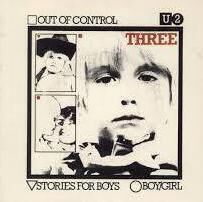
The three tracks, and astounded me. It was next-level punk-inspired music. In punk you didn’t need to be able to play an instrument. Music was too important to be left to musicians. But this was what it sounded like after you’d learned to play.
I was amazed that U2 weren’t signed on the spot. Incredibly, that only followed in May of the next year when U2 in a characteristically bold move booked a gig in the National Stadium.
Unsigned bands did not play that venue. It was the Lizzys of this world that played the Stadium. They were signed instantly.
When Larry put up that famous note essentially saying “Musicians Wanted”, it only told part of the story. Ireland in 1976 didn’t just need musicians, it needed sound men, managers, venues, DJs, engineers, studios, PR people, stylists, roadies, guitar techs, and people who owned a Patti Smith album.
What happened next wasn’t so much the making of the modern Irish music world as its invention.