Seán Óg Ó Duinnín: Cork man pens emotional play inspired by his mother
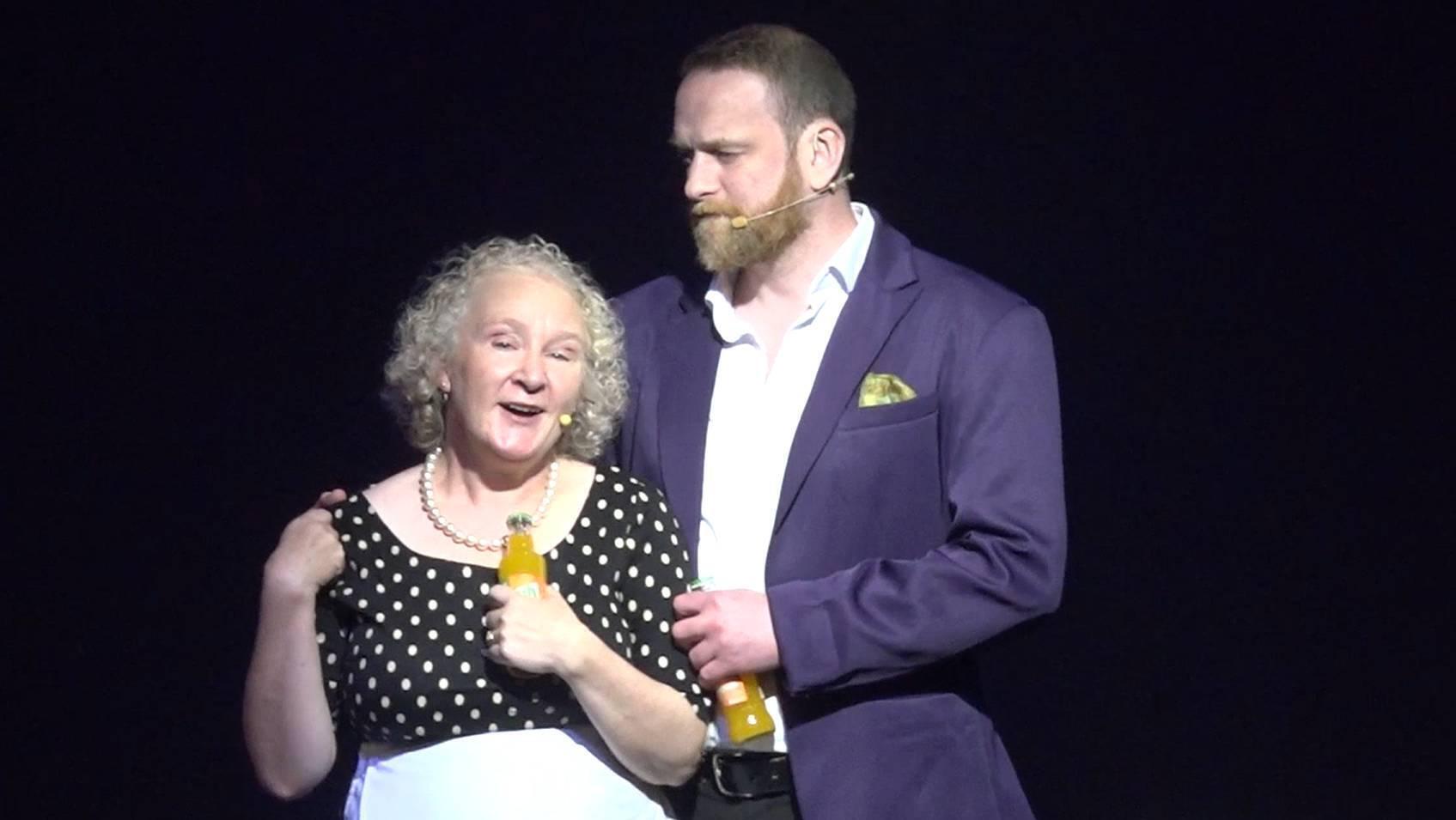
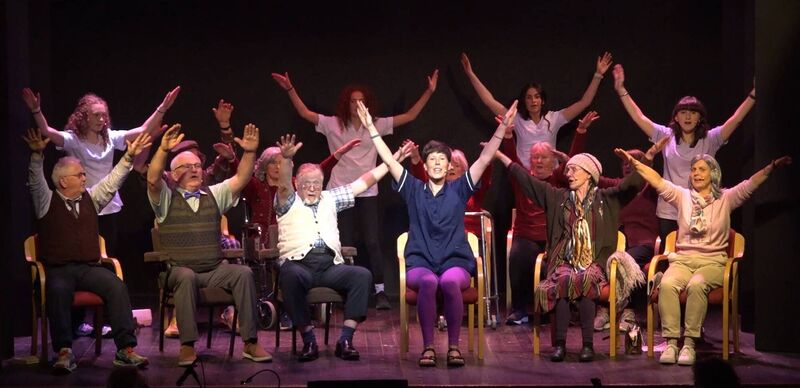
Nóirín Uí Thuama and Iarla Ó Tuama in Cork-produced Irish-language play An tÉalú.
“‘Táimse réidh don bás anois, tá saol mór fada caite agam’ – they’re my mother’s words – ‘I’m ready for death, I’ve had a long, full life’.”
The words often spoken by his mother Siobhán would become the opening lines of one of the songs in the Irish language musical written by Seán Óg Ó Duinnín in the months following her passing last March.
An emotional rollercoaster ranging from razzmatazz and rap to poignant reflection, (Escape) evokes tears of sadness and mirth while challenging societal attitudes to old age and mortality.
“My own mother, especially during covid, would have said things like ‘life is for living, life is for the youth, and I’ve had my time,’ but not in a depressing way,” says Ó Duinnín. “She had a lot of faith. She knew her time was coming, but in a healthy way.
“We [her children] find that very upsetting, but in hindsight after my mother’s passing – and this is part of the play – I had to realise, actually she got what she wanted so I’ve got to be happy for her.”
Set in nursing home Lios Álainn, from which central character Síle is intent on escaping, simultaneously elicits audience empathy with Síle’s struggle to retain her independence and her daughter’s guilt over her failure to care for her ageing parent at home.
Ó Duinnín’s inspiration for the independent Síle, played by Nóirín Uí Thuama, was his mother, and with three of his own family members in the cast of there was particular poignancy in their stage interactions.
“I was looking at these rehearsals and seeing my own child and my sister and niece speaking to Nóirín/Síle as the children especially would have spoken to my mother, calling her Granny, and she would have given them KitKats, just the same [as the musical].
“I said to Rieleen, my wife, ‘I’m looking at these hugely emotional scenes that are basically mirroring interactions with my mother and I’m just getting on with the business of rehearsal and directing. I don’t know if I’m dealing with this at all, with the grief.’
“She said ‘no you’re not; you went away and wrote a musical instead of dealing with it’.”
Príomhoide of Scoil Mhuire secondary school in Béal Átha ’n Ghaorthaidh, Ó Duinnín says in summer 2025 he was lacking “creative purpose”. His two previous Irish language musical collaborations with Alan Kiely and Kevin Connolly sold out in the Gaeltacht village, going on to the Everyman in 2023 and to Cork Opera House in March 2025, days before his mother’s death.
Having floated his idea for a third show with the theatre group, Cumann Léirithe Bhéal Átha ’n Ghaorthaidh, Ó Duinnín announced the dates. Deadline set, he began writing script and music in his first solo run as writer/composer/director. “I was waking at 5am without an alarm, I was so energised by this process,” says Ó Duinnín, who composed all 13 songs, later arranged by Brenda Griffin and released on Spotify.
“I started writing scenes inspired by my mother and her personality; her appreciation of nature. I had settings and a main character but I didn’t really have a main plot.”
Though that summer’s RTÉ Investigates nursing homes exposé provided food for serious thought, Ó Duinnín included in the musical a possibility of mistreatment but decided against painting a wholly negative picture of care facilities.
“The story I wanted to tell was an independent woman having her independence removed from her,” he says. “And why do we do that? There are plenty of examples of people living independently at home into their 90s. Are we removing that independence from people too soon? What say do they have? Do we listen to our elderly? Do we lose respect for them and give them a second childhood, treat them in an infantile manner?”
While his mother was not a nursing-home resident and was “independent and living at home”, aspects of the musical’s plot sprang from conversations with cast members.
“The subjects we look at, like the guilt of the child having her mother in the nursing home, they’re full-on emotional,” says Ó Duinnín. “People said, coming out of the [show in] Ballingeary, ‘you’ve raised topics that are important and that we need to discuss at home’.”
The themes of are weighty, with nursing-home residents discussing their own funerals, but humour is plentiful, if dark. “I set out to write a funny, laugh-out-loud show and the audiences, whether or not they understand Irish, have found it humorous,” he says, adding that the musical, whose upbeat numbers celebrate chair-yoga and knitting, is surtitled in English.
For Ó Duinnín, has been “cathartic” and though she was a “very private person” who avoided the spotlight herself, he says “My mother would be secretly thrilled that there’s a musical in her honour”.
- Cork Opera House, Saturday, September 26: Corkoperahouse.ie