Stephen Street: 'I really thought The Smiths would get back together'
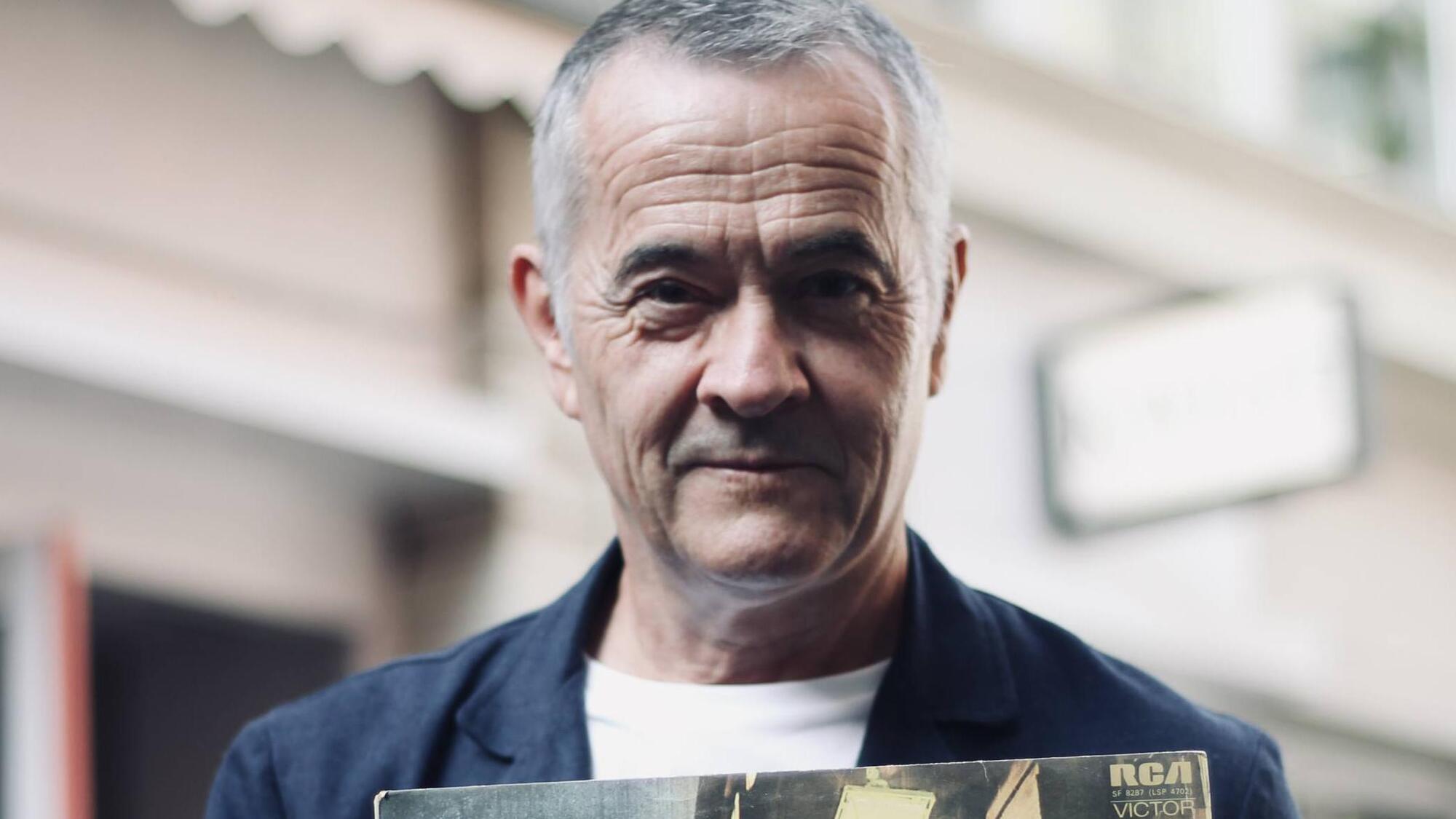
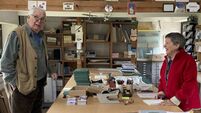
Stephen Street is doing a speaking tour with Mike Joyce of The Smiths to mark the 40th anniversary of their album, The Queen Is Dead. Picture: Richard Purden
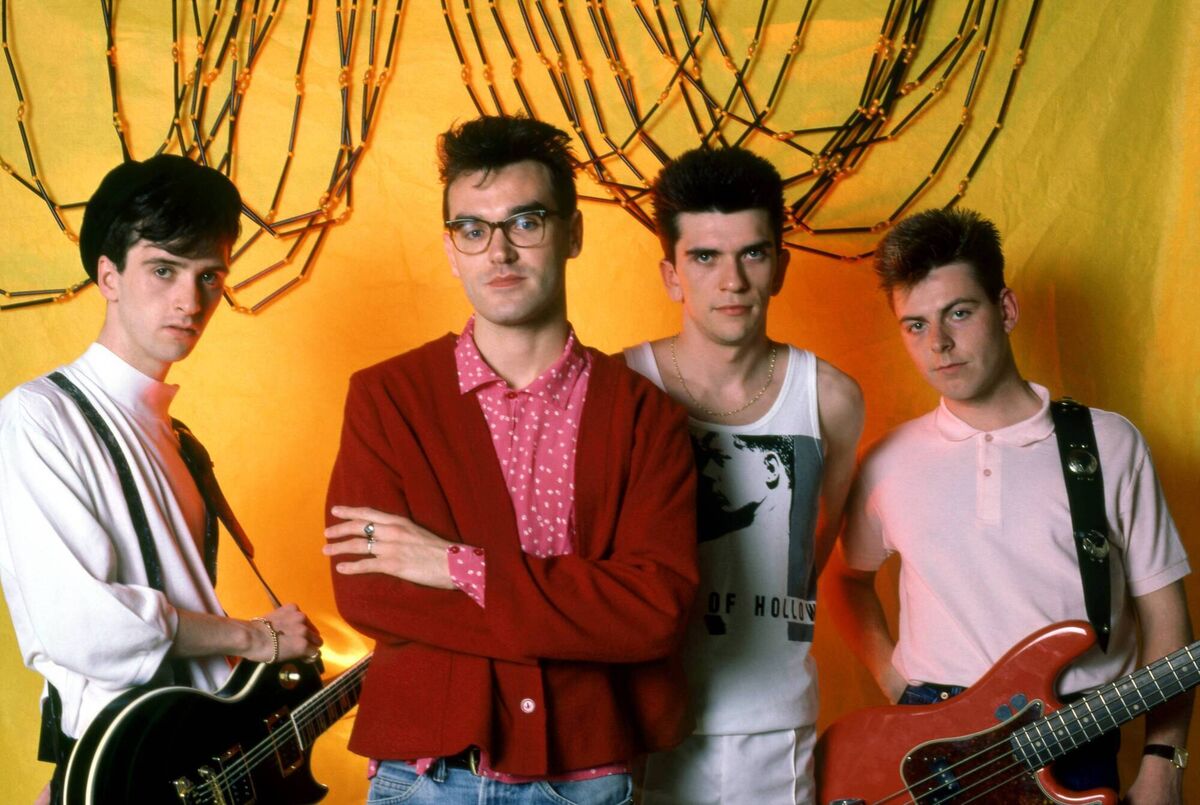
Under the coloured glass bulbs of the studios in November 1983, The Smiths performed their second single, A band discordant with the times, frontman Morrissey batted away balloons with gladioli while sporting costume jewellery, his quiff matched by Johnny Marr’s bowl cut and Beatles-style Rickenbacker guitar.
This look, as much as the infectious chiming guitar, had Stephen Street — himself part of Britain’s Irish immigrant community, like the band in front of him — completely drawn in.
The London-born music enthusiast had joined Island Records’ Fallout Shelter studio in 1981, initially as an assistant before becoming an in-house engineer. When The Smiths booked the Hammersmith facility to record he was ready at the controls and quickly made a connection which benefitted both sides. “When you’re the only person in the room with the band and recording, you begin to take on certain production duties. I’d be working out how I think a drum should sound; I would find the balance, and the reverbs," recalls Street.
He points to from (1985) as a band greater than the sum of its parts. Johnny Marr brings something of the melancholic Irish ballad tradition that surrounded their early lives.
“It's one of my favourite Smiths songs,” confirms Street. “It starts with Andy’s [Rourke] bass line which is absolutely exquisite. I gave it this aggressive, gated sound on Mike’s [Joyce] snare and it really worked against the beautiful, languid feel of Johnny’s arpeggio work; there’s a lot of space on the track for Morrissey’s vocal to float. The control he has on the notes he hits is superb; it’s really, really good.”
By the time they began work on (1987), Street was increasingly part of the creative process, taking over the role of co-producer with Morrissey and Marr as the band made notable sonic advancements on the likes of with its haunting sample of a miners’ strike protest and brooding orchestral arrangement.
The key to his relationship with the band’s songwriting partnership was his understanding and shared enthusiasm for their musical obsessions. referenced Bowie’s sound, particularly the Mick Ronson era. “I was a huge Bowie-ite; I think that’s the reason I connected so much with Morrissey; we’d obviously talked about influences. I was born in 1960, so in 1972 and ’73 everything was Bowie and Bolan. It was the same for Morrissey, so there was a bit of a glam rock influence; when I heard them play I could hear the reference to [T Rex album] I just picked up that vibe and followed it; we didn’t have to discuss it, that glam rock influence was already there.”
While some accounts suggest tension began during those final sessions, Street insists it was a happy time. “We began with ahead of the album and had recorded We then started working on the backing track. I could tell the band were tired, and Johnny needed a break; it had been a constant cycle of tour, record, tour, record.
“The only problem in the background was a management issue where Johnny thought he’d found someone, but Morrissey had different thoughts on that matter, and I think that was the thing that pushed Johnny over the edge. He wanted a professional manager as opposed to having to do those things himself. If they had taken a break and sorted that issue, it could have been a very different scenario; they didn’t have a manager to hold it all together, and that’s what led to this terrible split. I really thought within a year or two they would get back together. Andy’s gone now, so it will never happen.”
In the aftermath of The Smiths, Morrissey enjoyed a string of definitive Top 10 hit singles through his partnership with Street. The producer gathered demo tracks together and sent them to Morrissey with a note: “Forgive me for being presumptuous, but if any of these ideas were useful, perhaps they could be recorded as B-sides.”
While Street was on honeymoon, a letter arrived from Morrissey telling him he wanted to make a solo record ( 1988). “I dropped everything else I was doing,” says Street. “It was tough; following up The Smiths is not an easy thing to do. We recorded which was my attempt to make an Echo & the Bunnymen type track. With I knew there was something there. I thought, this is a really good song.”
After the recording, Morrissey fell silent. “I didn’t hear for two or three months; it was when came out and was in the charts, I really thought nothing was going to happen with it.”
The working relationship was short-lived, though Street puts it down to “business”. He soon found himself working with two new acts who would help define the sound of the 1990s as much as The Smiths had the previous decade.
He contacted Blur and ended up producing leading to a breakthrough hit in 1991. The following year he began to work with The Cranberries. While Blur were in the studio with other producers, Street bumped into Graham Coxon at the Marquee in London just after the Blur guitarist had gone to see The Cranberries. He was unhappy with the way Blur’s (1993) sessions were going. By now American grunge dominated the alternative rock landscape.
When Street later became involved for a run of albums, one song in particular, stood out and suggested a new direction for Blur that would harness the band’s sense of where they came from. “Again, a huge Bowie influence on that particular track, with the beats and the backing vocals. We got some girl singers in; I remember saying to Damon [Albarn] about the Mott the Hoople female backing singers Thunderthighs, I asked the singers to sing in that kind of way.”
Albarn was prompted to pen by his record label as a potential single. At the time, Street was splitting his time between Dublin and London, working with Blur and The Cranberries. He enjoyed a long-standing relationship with both bands.
“The Cranberries got signed to Island Records and expressed to the label that they wanted to work with me because they were big Smiths fans. We did a test session together in Dublin where we recorded [the band’s first single, released in October 1992], and that went well. Island brought me back to complete the album [ ,1993] and work on The melody was already there from the off; it was obviously a great song from the start.”
While that might be true, the song failed to take off initially. “When I first worked with them, they were so naive and green; there was no indication they would become the huge global act they eventually became. When we originally released Dreams and Linger, nobody wanted to know. The records came out and disappeared. It was only because A&R executive Denny Cordell stuck with it and pushed it in America that radio stations took notice, which then ping-ponged back to over here. It was a wonderful fairytale really, apart from the tragic ending with Dolores O’Riordan. I miss her to this day; she was a great talent.”
Street reflects on where he was when he heard the news of the Limerick-born singer’s untimely death at the age of only 46 in 2018. "I was helping my son move furniture into his new house when my phone pinged with the news, which was a terrible shock. I spoke with [guitarist] Noel Hogan afterwards, and he made it clear that it was not suicide.”
A coroner would later rule that O’Riordan’s death was caused by accidental drowning in a bath following alcohol intoxication. “Noel had spoken to her the day before about planning work on a new album, proving she was still looking ahead to the future,” says Street.
Unfortunately, those future plans would never happen.
- Stephen Street will join former Smiths drummer Mike Joyce in November for a series of In Conversation events marking 40 years of The Smiths’ album,
Read More