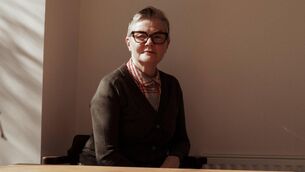
'There’s so many creative people living here': Mary K Sullivan on Bere Island
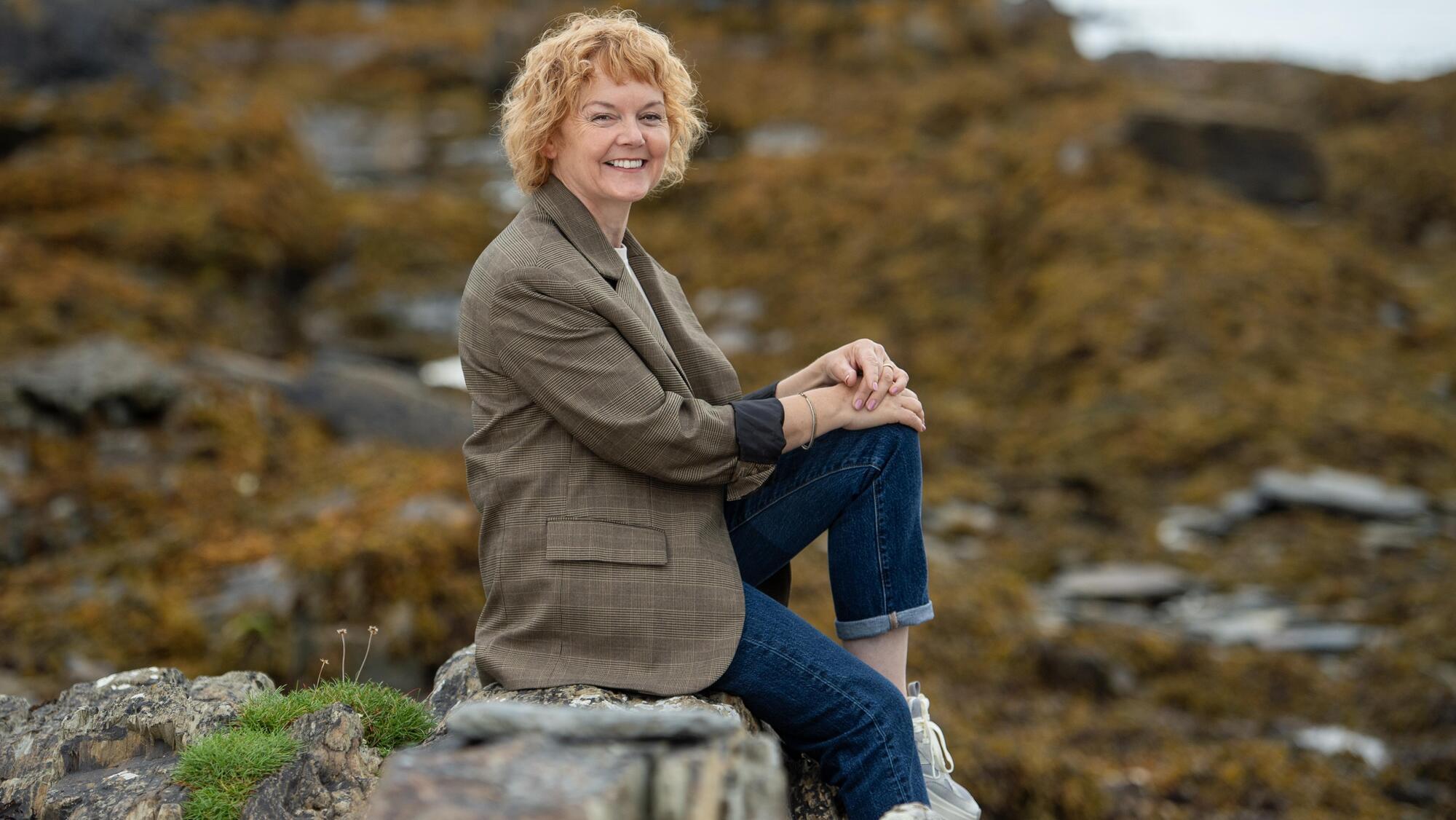
Mary K Sullivan on Bere Island. Picture: Dan Linehan
“It’s a place where you can be yourself,” says artist Mary K Sullivan who will be exhibiting at Bere Island Arts Festival, now in its fourth year.
Sullivan’s contribution to the festival will take the form of a trail starting at Rerrin Village. A native of Bantry, Sullivan moved to Bere Island over thirty-five years ago when she met her husband Mike Sullivan who is from there.
The couple, who have three grown-up children, runs a marine business. Sullivan, who is seeking planning permission to build her own studio on the island, says if she gets approval, she will invite other artists to the island and connect them to the BA in Visual Art on Sherkin Island.
It was that degree that allowed Sullivan to follow her dreams. Graduating in 2018 when she was 50, Sullivan says that going to college after leaving school wasn’t a possibility. “It wasn’t on the cards for us at home.”
She worked in the catering industry for a while before getting involved in the marine enterprise. Sullivan says she had always displayed a creative - and enterprising – streak. At 13, Sullivan bought a sewing machine and helped her mother to make patchwork squares for quilts that were exported to America. She used to make her own clothes.
After graduating with the BA in Visual Art, Sullivan won the Taylor Award. “That was a big boost and gave me the opportunity to expand my work.” She has exhibited in the UK and at the RHA (Royal Hibernian Academy) a couple of times. Some of what she showed there last year will be on show at the Bere Island Arts Festival, subtitled Discover, Connect, Belong.
The title of Sullivan’s work is . Comprising three sculptures, one drawing and a video, the work draws attention to the unseen infrastructures that sustain island life, particularly the underwater electricity cable that connects the island to the mainland.
“This submerged conduit becomes a physical and symbolic threshold between inside and outside worlds, carrying not only power but also the conditions of daily life. It complicates the idea of the island as isolated or self-contained, revealing instead a state of continuous exchange and dependency.”
Sullivan adds that electricity becomes a language of continual exchange and dependency – an invisible current that traverses the seabed. This gets rid of the perceived distance between island and mainland.
Living on a small island suits Sullivan, who describes it as extraordinary in terms of the level of enterprise and creativity there.
“There are all these businesses that bring in people to work on the island whereas it used to be people leaving the island to get jobs. About 220 people lived on the island a year ago but that has risen to about 230. There’s so many creative people living here.”
She cites her sister-in-law, Catherine Sullivan who spins wool from the island’s sheep. “She’s an extraordinary woman, making her own wool and giving demonstrations as well as teaching crochet. There’s Steve Carter who makes leather bags and teaches the people of the island through workshops how to make bags, belts and wallets.”
Life is “wonderful” on Bere Island, says Sullivan. Even during bad weather, she says it’s no worse than on the mainland although it can be problematic getting boats out during particularly squally seas. There are two ferries serving the island and most people have their own boats.
- The Bere Island Arts Festival takes place on September 17-20. For full programme details, visit: bereislandartsfestival.ie
The highlight of the festival will see Imelda May bring her to the Drill Hall on September 19.
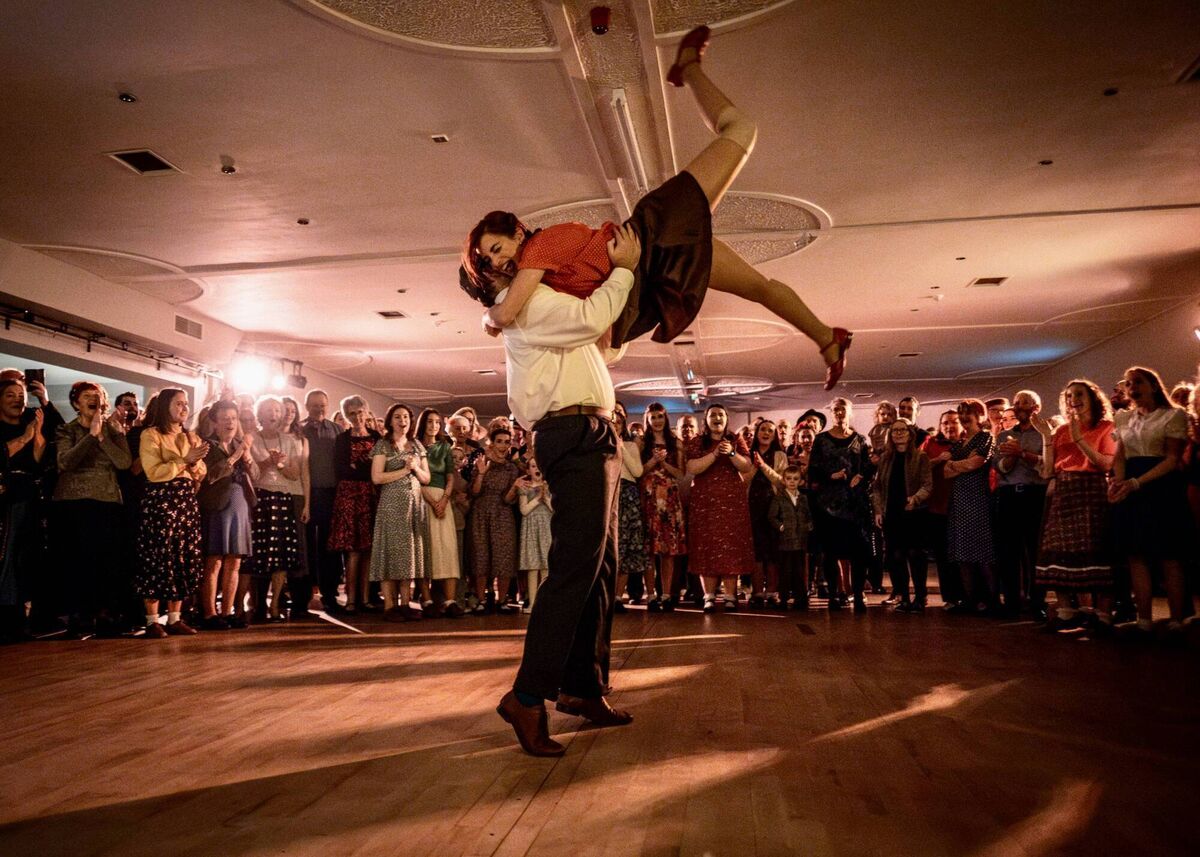
is described as a joyous performance that explores the suppression of Ireland’s rural dance halls in the 1930s. It invites audiences to dance the night away at the Drill Hall on September 17.
Theatre takes centre stage with Holding Bones from Púca Puppets blending storytelling, puppetry, visual art and live drawing; exploring family, memory, love and loss. It’s at the Lecture Theatre on September 18.
The spoken word is a cornerstone of this festival. There will be an evocative Haiku workshop and walking tour with author Liam Carson at Greenane on September 19.
Belfast-based Japanese artist Shiro Masuyama will have an installation at the GAA Grounds opening on September 18 for the duration of the festival. It’s called and will be housed in a converted caravan split into Irish and British cultural halves.
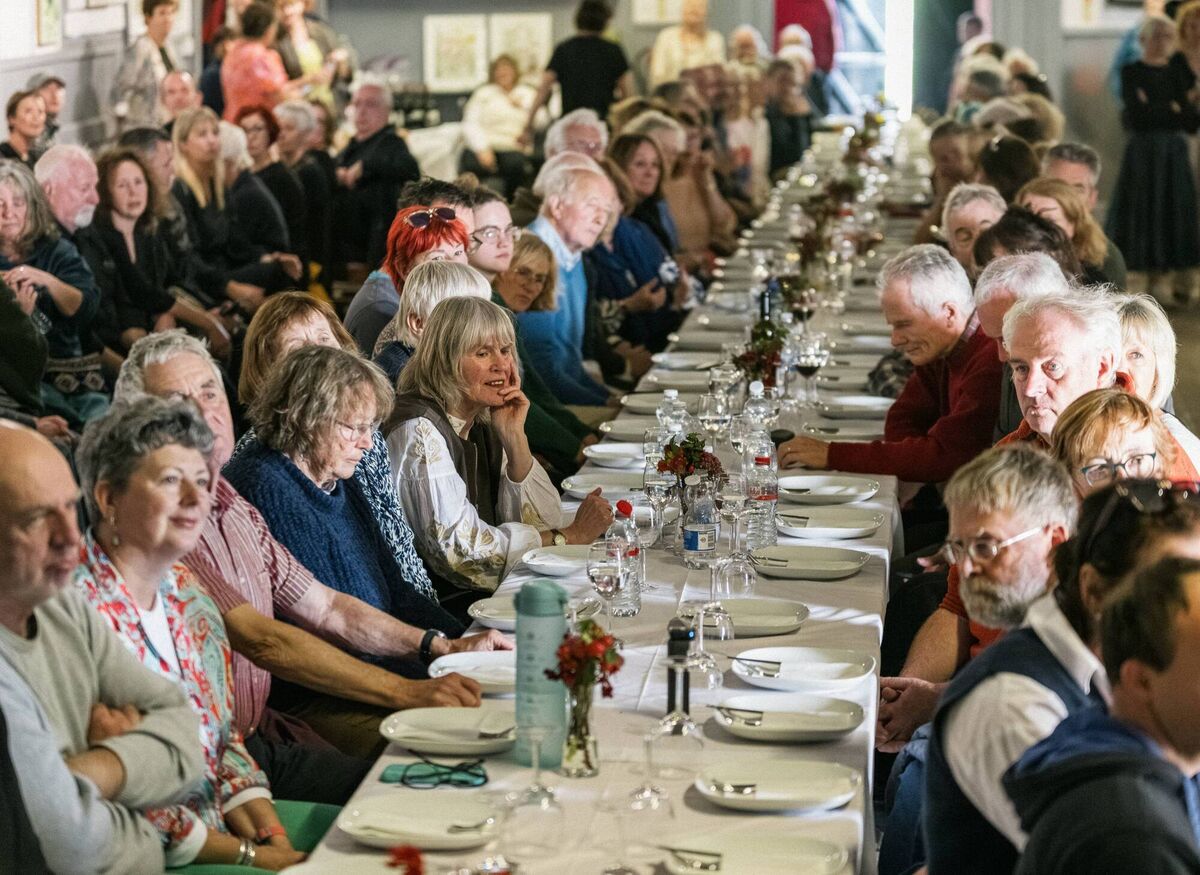
There will be a Long Table Supper celebrating Culture Night on September 18 at the Drill Hall, hosted by Cape Clear historian and storyteller, Diarmuid Ó Drisceoil.