Jon Ronson: Modern men and their troubles adjusting to a changing world
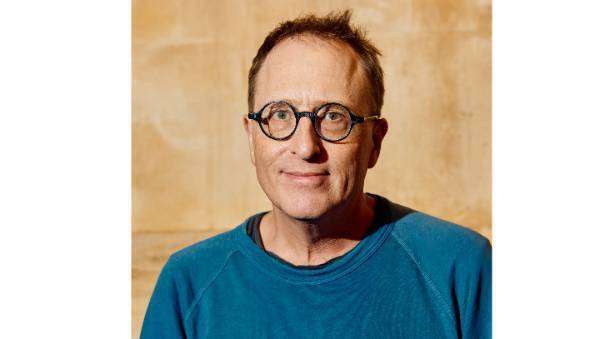
Jon Ronson's latest book is The Castle: Adventures in a World of Unraveling Men. Picture:
Emli Bendixen
Jon Ronson woke up one morning to the kind of text message that rattles a parent to their core. It was the summer of 2023. Ronson’s son, Joel, had been messaging frantically during the night while Ronson and his wife were asleep. In the morning, Ronson, 59, read his son’s last message first: “We left. Was completely fucked. All good now.”
Ronson’s son and his friends were in the middle of a forest in Connecticut – three hours’ drive from Ronson’s home in upstate New York – having been lured to a gothic castle by a rich man in his early sixties, ostensibly for a party.
Instead of a party, the invitees discovered their host, Chris Mark, the great-grandson of a steel tycoon, wanted to film his female guests for a reality TV show that he was making called 101 Princesses – in which princesses would audition to be queen to his king, all a grubby ruse, one of many, to get sex slaves for his harem. Unsurprisingly, it emerges that Hugh Hefner is “one of his idols”.
Ronson has written several bestselling non-fiction books about weird and irrational corners of the world, including which was made into a Hollywood movie starring George Clooney and Ewan McGregor. He scented a trail.
Securing an interview with Mark in his castle – which has a drawbridge, old tanks and a fighter jet in the lawn, and a hot tub grotto and pole-dancing nightclub inside the castle walls – set Ronson off on an investigation, including camels starved-to-death and death threats from Mark, that wouldn’t be out of place in a Coen Brothers movie.
“I've never met anyone like Chris Mark,” says Ronson. “He’s so eccentric. He says the strangest things and does the strangest things. This was an extraordinary story [to work on], like something out of Sam Spade. He sends people to tell me things that aren't true to put me off the scent. It's a story that just gets odder and odder. When I started to find out what was really going on inside the castle, I couldn’t believe it.”
The behaviour of Mark, who suffers from bipolar, lurches wildly. One minute, he can be coercing women in his castle and the next he can be dialling back on the death threats to Ronson by suggesting he’ll cover the costs if Ronson brings the murderers on his trail out to dinner: “If you take my murder friends out, I’ll Venmo you the money.”
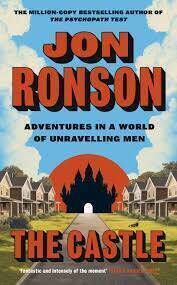
Ronson uses Mark’s erratic behaviour as a jumping-off point in his book, , to explore how some western world men have been unmoored by modernity. Many of the old jobs for men in factories and traditional sectors like heavy industry, for example, are no more.
Ronson uses a telling 2022 statistic from the Brookings Institution that one in six American men aged between 25 and 54 are jobless; disturbingly, two-thirds of that cohort weren’t even looking for work. He argues this has left a lot of men casting about for purpose; some are unravelling as a result.
Among his case studies, who include a culture war YouTuber and a lawn care influencer, is the saga of Graham Linehan, the Irish screenwriter and co-creator of Father Ted who was once a friend of Ronson’s, and has since become a controversial figure in the debate around transgender issues.
“There are special circumstances with Graham,” says Ronson. “Me and Graham bonded in past years for both being bullied in school."
In the book, Ronson delves into Linehan's public trajectory and his own dealings with the Dubliner. “I was swept up into Graham's world – I'm one of his bêtes noires," says Ronson.
"He's tweeted and posted about me; I would be amazed if it isn't thousands of times. Until now, I've always stayed silent about it. So, the section in the book about Graham – which is slim; he’s a minor figure in the book – is a sad lament for what our friendship had become and secondly, it's trying to understand, what's going on there?”
One of Ronson’s most entertaining detours in examines “Doofus Man”, the type of man portrayed in TV adverts who can’t do anything right, a buffoon who leaves his baby on a restaurant conveyor belt, a hapless guy who’s consistently bailed out by an exasperated wife. Think Daddy Pig in the Peppa Pig books.
“Back in the old days, women were figures of mockery in ads,” says Ronson. “If you look back in the ’50s, one I quote in the book is, ‘Don't worry, darling, at least you didn't burn the Schlitz [beer].’
"But now men are the new women. Women control most household spending decisions. Advertisers thought it was financially unwise to keep portraying women as idiots, but someone must be the idiot. So, let's make it men.”
- Jon Ronson’s is published by Viking, an imprint of Penguin
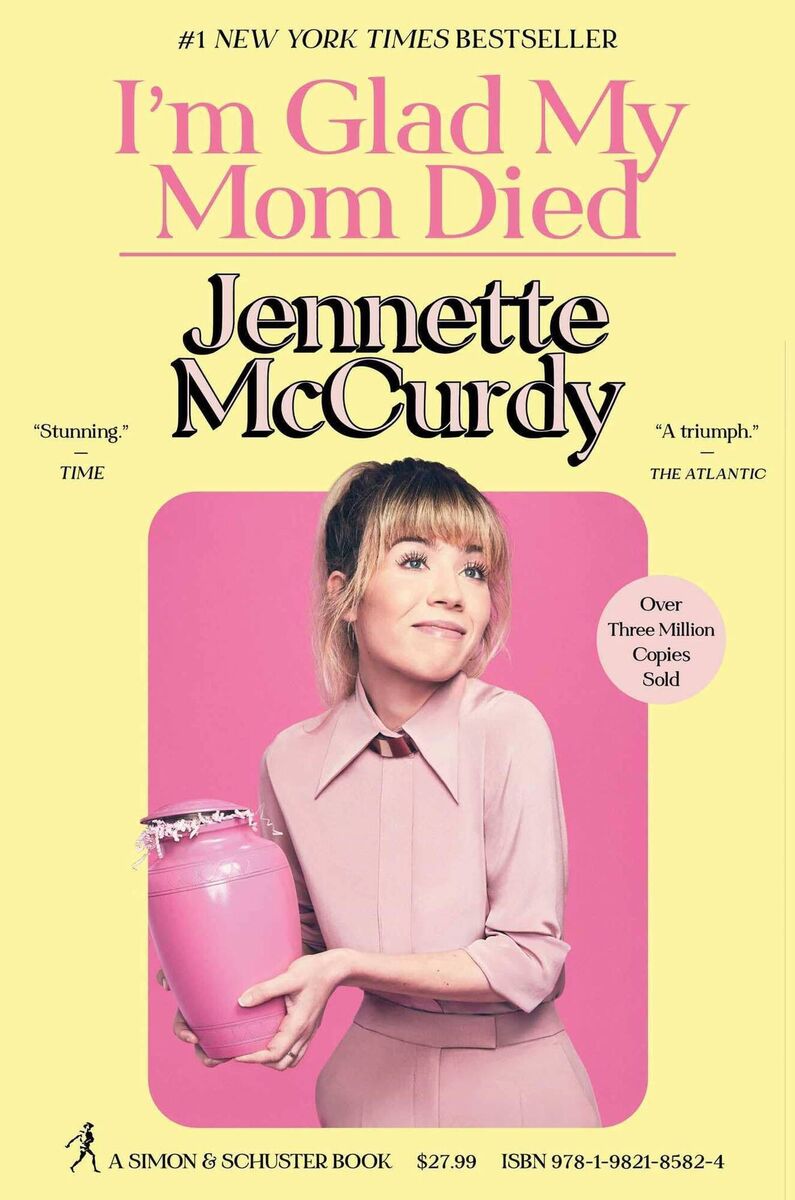
Jennette McCurdy was a child actor in Nickelodeon shows. She’s written a memoir about her very complicated relationship with her mother, a stage mom who pushed her into these child roles. It’s brilliant.
: That book taught me how to take a horrific story and give it a comic absurdity. It's about the fire-bombing of Dresden, but it's like a slapstick, absurd novel – a young soldier survives the firebombing of Dresden and gets kidnapped by space aliens and is displayed in a zoo on another planet. It was a real Damascus moment for me – that book.
: What I love about Carver’s short stories is the undercurrents under the surface. The sentences are simple, no big words, nothing flashy, but there's a hell of a lot going on underneath the surface. It's up to the reader oftentimes to figure out, with these slightly unreliable or naive narrators. They don’t give you all the information; you fill in the gaps.
: I’m a big fan of celebrity memoirs. I loved Cher's book. It's a great combination of an incredible life story and beautiful writing. Part Two will come out later this year.
: A New York journalist moves to Savannah, Georgia, this mysterious, off-the-beaten-track city. A murder happens. He becomes friendly with the guy who's arrested for the murder. It's about how this murder impacts all these strange, interesting, eccentric characters in Savannah. As a non-fiction writer, I was blown away by the possibilities of what you can do with true crime.