Julian Lloyd-Webber: Cancer-free and looking forward to playing in Ireland again
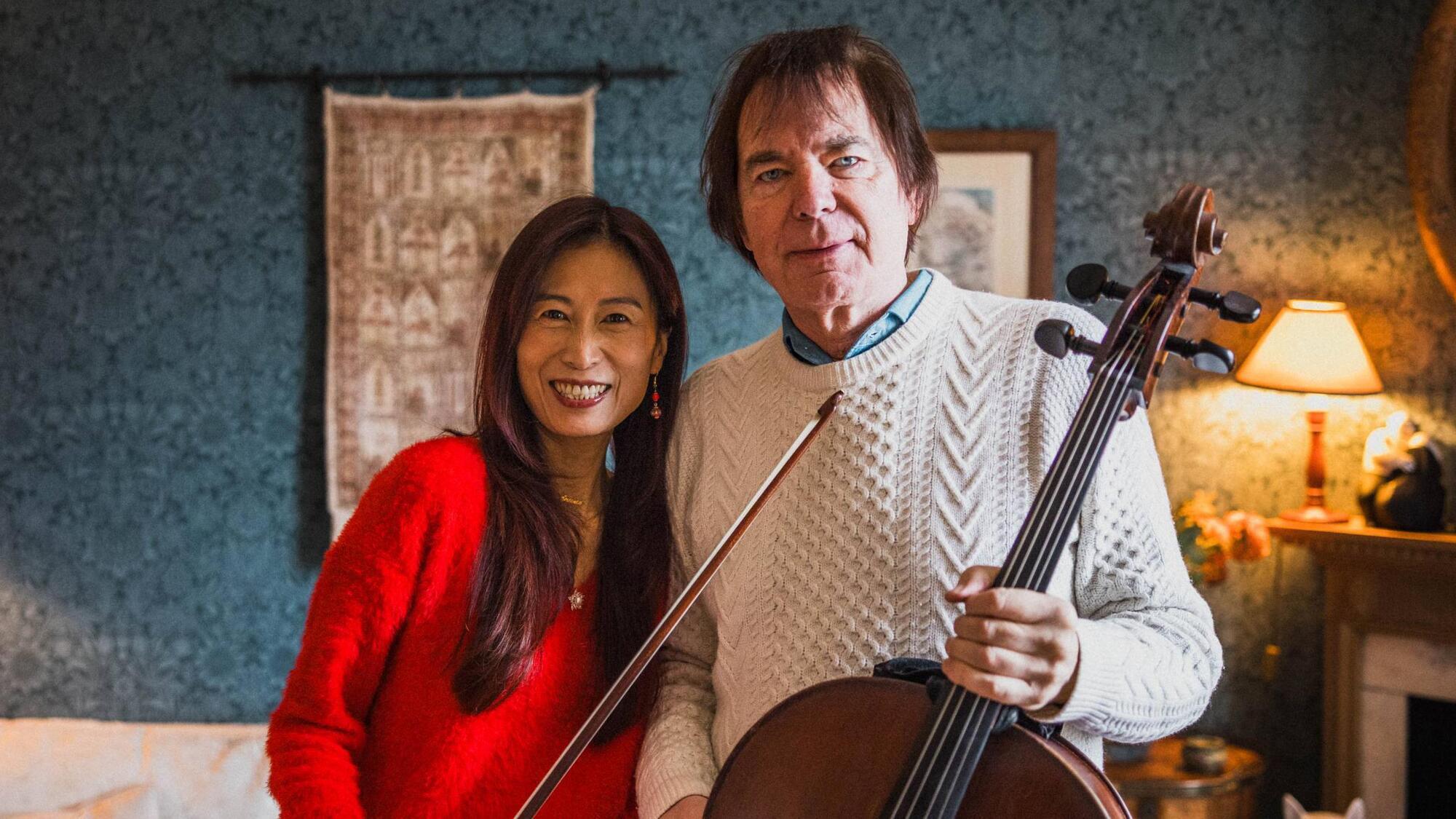
Julian Lloyd Webber and his wife Jiaxin play at St Luke's in Cork as part of their Irish tour.
In October 2013, Julian Lloyd Webber had to face the unimaginable prospect that his career as a performer was over. In a devastating turn of events, the legendary English cellist lost the power in his right arm during a concert and was left barely able to hold his bow. He was found to have a herniated disc pressing on a nerve in his neck and in 2014, he announced he would no longer perform.
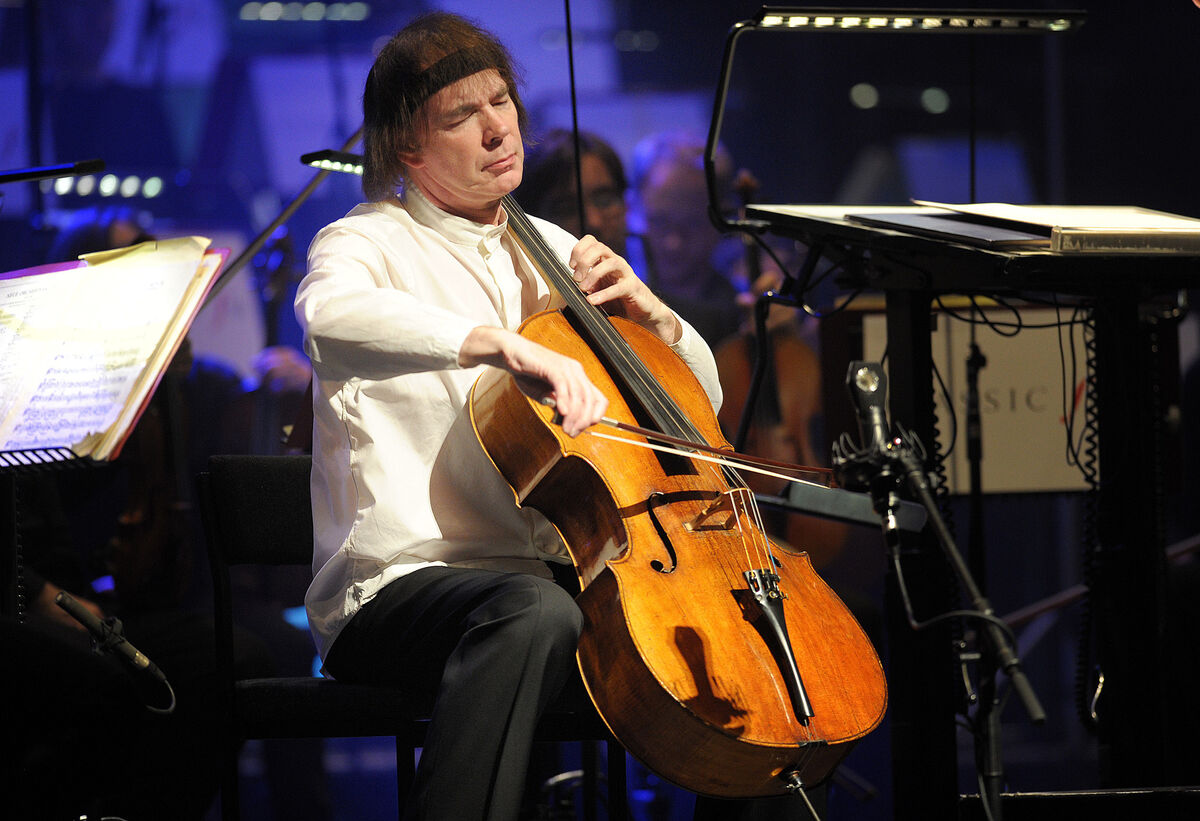
However, more than a decade after that apparent coda in a stellar career, it turned out there would be an encore for the musician. In April this year, on the occasion of his 75th birthday, Lloyd Webber took to the stage for a charity concert at Wigmore Hall in London, giving a moving performance of Fauré’s
Now Lloyd Webber and his wife Jiaxin, also a cellist, have embarked on an Irish tour of their show Bach, Bows and Arrows, which they are bringing to St Luke’s Church in Cork in early September. Billed as an evening of music, stories and celebration, and a journey through a remarkable career featuring over 60 recorded albums, it will also feature Lloyd Webber playing again.
There will be another cause for celebration, as in recent weeks, Lloyd Webber discovered that his treatment for prostate cancer, diagnosed earlier this year, had been successful. To be back playing when it appeared the curtain had come down on his career has been a source of great comfort to the musician.
“It is extraordinary. I literally hadn’t played for 12 years," says Lloyd Webber. "About six months before the concert at Wigmore Hall, I knew that I was going to try to play and I didn’t want to go out there if I couldn’t play to a level that was acceptable to me.”
While he was happy to be back performing, there was one important element missing. For most of his performing career, Lloyd Webber had played a Stradivarius which he mortgaged his house to pay for in the 1980s — it initially cost him the equivalent of €200,000 but after he stopped performing, he sold it for €2.3m.
“When I actually sat down, the thing that I found most strange was that it wasn’t my cello. You spend so much time with this one thing during some incredibly important and emotional moments in your life. It is more than just an object, it is a living wood and it has its moods and its temperaments, just like a person.”
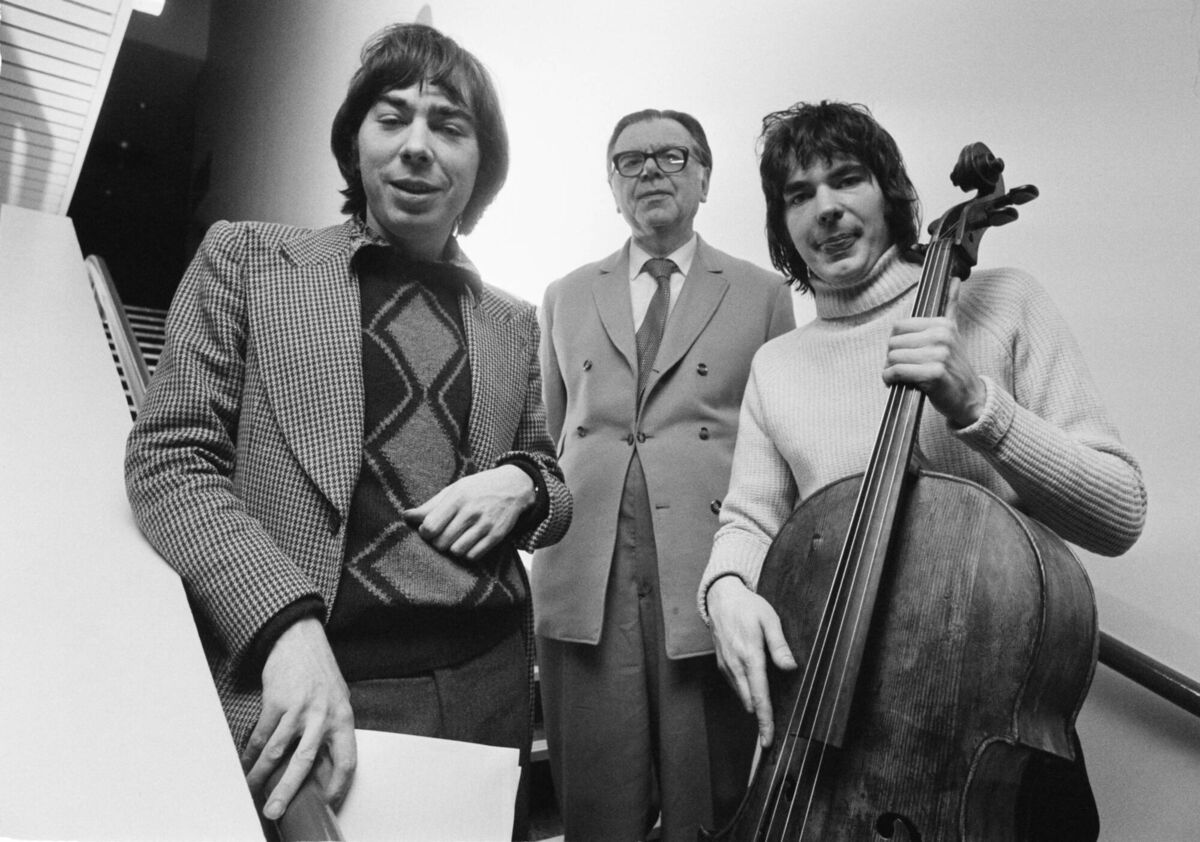
In his fascinating memoir, published earlier this year, Lloyd Webber recounts his childhood growing up surrounded by music — his father was a renowned organist and composer and his mother a piano teacher. She was determined to teach Lloyd Webber the piano but having been brought to an orchestral concert, he decided the cello was his instrument.
“I wasn’t that conscious of the sound of the instrument but I loved the way it looked. I was only four or five and I asked if I could play the cello, with the idea in the back of my mind that I would be allowed to give up the piano. I saw the cello as saving me from the ivory-keyed monster.”
Of course, the name Lloyd Webber is renowned elsewhere in the field of music, thanks to Julian’s brother Andrew, the indefatigable creator of countless hit musicals. What does he think it was about their childhood that produced two such singular musical talents?
“To be honest, my parents were out a lot of the time. The one who brought us up at home was my grandmother but there was always music around. People think we were pressured to do it but we weren’t. I think that is why we went in such different directions.
"Andrew was always into writing musicals, I was always into simply playing the cello. We diverged at quite an early stage. I think if we had been forced to do something, both of us would have rebelled with our natures. It wasn’t a foregone conclusion, any of this.”
In his memoir, Lloyd Webber also revealed how he was left traumatised by a horrific sexual assault by a stranger while travelling alone on the London Underground at the age of nine. He says it was an extremely difficult episode to revisit.
“There was a choice I had to make there, do I tell this story or not? Do I just pretend it never happened? I couldn’t do that. If you are going to write a book of this nature, what is the point of doing it if you’re not honest? I had to include the things that were a big influence on my life, whether they were negative or positive.”
It took him a long time to come to terms with what happened, but he says his grandmother was a significant source of support. “I felt I couldn’t talk to my mum and dad about it, I talked to her and she was very sympathetic. Sometimes you have to accept that maybe there are some things that you will never get over and you shouldn’t even try to get over but you do need to find other things that help you move on.”
One of those things was music, particularly performing and the sense of connection with an audience, something he says is more important than ever, as fewer young people have access to music education. It is a topic about which Lloyd Webber has always been passionate, setting up the charity Music Matters, which provides inclusive music education for young people from diverse backgrounds.
When he stopped performing, he became principal of Birmingham Conservatoire, channelling his energies into encouraging the next generation of talent. He laments the fact that classical music has slipped out of mainstream culture.
“When I started in the 1950s and 1960s, there were lots of household names in classical music — people like Yehudi Menuhin, who I was later very fortunate to work with. That is something that has disappeared because of the lack of music education in schools. There is no introduction to classical music so the names become less significant, less familiar, people are not aware of what they’re doing. It is really very sad.”
He is, however, optimistic about the future of live performance, despite the challenges. “A lot of people have it very tough at the moment so they pick and choose what they go to, they want to be sure they are going to have a good evening out and be entertained. Classical music has to fight its corner but I think it is doing that, it is evolving and changing. It shouldn’t change too much, it shouldn’t lose sight of all the great things about it but it also has to be more reachable for an audience.”
Lloyd Webber says he is working on playing “something with an Irish flavour” for the Cork concert. He acknowledges that “he will never go out and play big concertos again because that neck problem is not going to go away”. However, being on stage is still a huge and much-valued part of his life that he will continue as long as he can.
“Live performance is one of the things that is absolutely not going to be affected by AI. People want to see human beings on stage performing and communicating with an audience. You don’t want to see a robot out there. There will always be an appetite for live performance, that will never go. Indeed, it will probably grow.”
- Bach, Bows and Arrows, An Audience With Julian and Jiaxin Lloyd Webber, 8pm, Saturday, Sept 5 at Live at St Luke’s, Cork, ticketmaster.ie
- Details of other Irish dates, including Dublin, Galway, Limerick and Ennis, at julianlloydwebber.com