Book review: Roy Keane’s influence on modern Ireland
Did Roy Keane influence the change in Ireland, or did the changes in Ireland enable Roy Keane to be the man he has become?
Book review: Roy Keane’s influence on modern Ireland

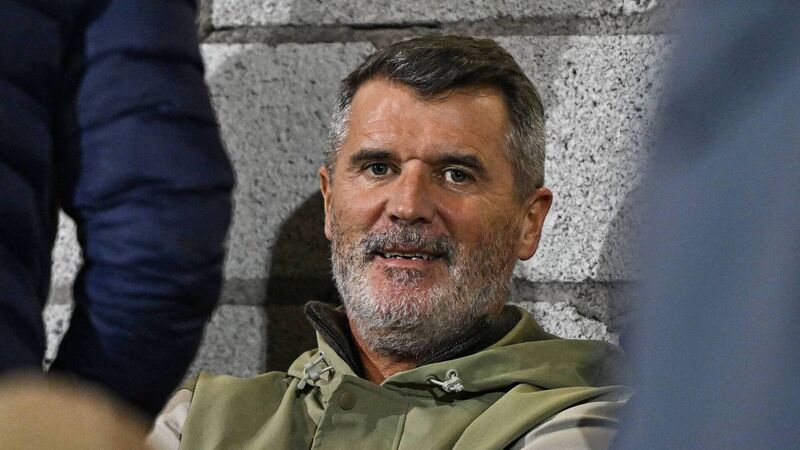
Former Republic of Ireland captain Roy Keane at an SSE Airtricity Men's First Division match between Cork City and Wexford at Turner's Cross in Cork. File picture: Sam Barnes/Sportsfile

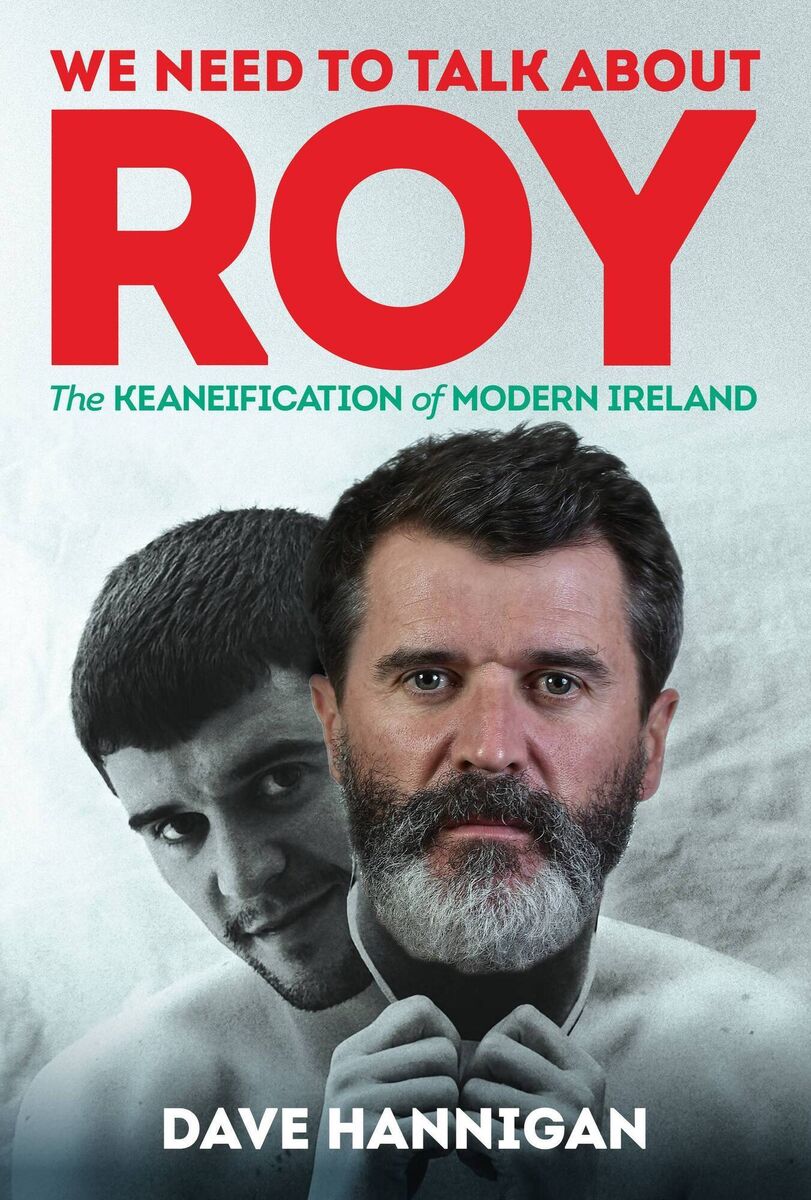
  • We Need to Talk About Roy: The Keaneification of Modern Ireland
  • By Dave Hannigan
  • Merrion Press, €18.99

In Dave Hannigan’s new book, We Need to Talk About Roy, he asks some very interesting questions about modern Ireland through the medium of the rise and evolution of Roy Keane.

This is a clever method of examining the truly dramatic changes of Ireland’s social, cultural, and economic life since Roy Keane was born in 1971.

Through the book’s subtitle, The Keaneification of Modern Ireland, the reader is asked to judge did Roy Keane influence the change in Ireland, or did the changes in Ireland enable Roy Keane to be the man he has become? It is a classic chicken and egg conundrum.

Hannigan is ideally placed to write this book. He grew up at the same time as Roy Keane, he played against him in the Schoolboy Leagues and he has lived the life of an emigrant just like Keane.

Roy Keane was obsessed with playing football and had little interest in other pastimes, or school. Even as an underage player he was obstinate and determined to win every game he played. 

Hannigan gives a detailed account of this stage in Keane’s sporting life, and then places it in context with the Ireland of that time.

Keane looked destined for a life of semi-professional football and part-time work in Ireland until he got a lucky break. 

Legendary football manager Brian Clough took a chance and brought him to Nottingham Forrest.

Keane arrived in Nottingham like many an Irish immigrant before him, under-educated, naïve, and lonely for home. 

His advantages were his deep belief in his football ability, his competitiveness, and Clough’s support.

Keane’s character and background made him suspicious of new people, new situations, and the media. This is not a surprising trait for an Irish emigrant of that era. 

Keane’s personality similar to that of Brian Clough

This aspect of Keane’s personality was similar to that of Clough. Both came from similar backgrounds, both suffered severe ACL injuries, and both were completely focused on one aspect of their lives — football.

However, as the book unfolds, we see Keane learns to adapt to the life he has chosen and remains as much a leader today as he ever was. 

Clough could not recover from his ACL or bridge that social gap and his brilliant managerial career petered out in a haze of alcohol.

This is not to say that Keane did not have his own troubles with alcohol. Drinking sessions took him into trouble many times during his 20s, but his drive to be the best at football saw him eventually eschew drink.

Keane’s role in the Saipan affair of 2002, which split the country, is ably defended by Hannigan; as is his short time with Glasgow Celtic at the end of his playing career.

Following his retirement Keane moved in to management with Sunderland. His time there coincided with Ireland riding the crest of the Celtic Tiger economy. 

By then weekend trips to Premier League games in England had replaced queuing for the dole or searching for a job.

Keane had developed too. Finance is what makes a successful football club, and he duly turned up at events and worked the room to sell the corporate boxes or whatever was on sale. 

However, he was never there because it was a “freebie”, he was there for the good of his club and his job.

Hannigan seems somewhat perplexed with the current phase of Keane’s life: this is Roy the pundit and Roy the salesman.

It is the issue that leads him and the reader back to his original question.

Has Roy Keane been the leader in the development of modern Ireland?

Hannigan puts forward an excellent argument in favour of his thesis and this book is bound to generate a thousand arguments. 

Here is mine. I would prefer to define Roy Keane as a catalyst. 

A catalyst speeds up the rate of reaction, but more importantly, a true catalyst is not permanently consumed or altered, and is regenerated at the end of the reaction.

x

BOOKS & MORE

Check out our Books Hub where you will find the latest news, reviews, features, opinions and analysis on all things books from the Irish Examiner's team of specialist writers, columnists and contributors.


More in this section

Scene & Heard

Newsletter

Music, film art, culture, books and more from Munster and beyond.......curated weekly by the Irish Examiner Arts Editor.

Cookie Policy Privacy Policy Brand Safety FAQ Help Contact Us Terms and Conditions

© Examiner Echo Group Limited